
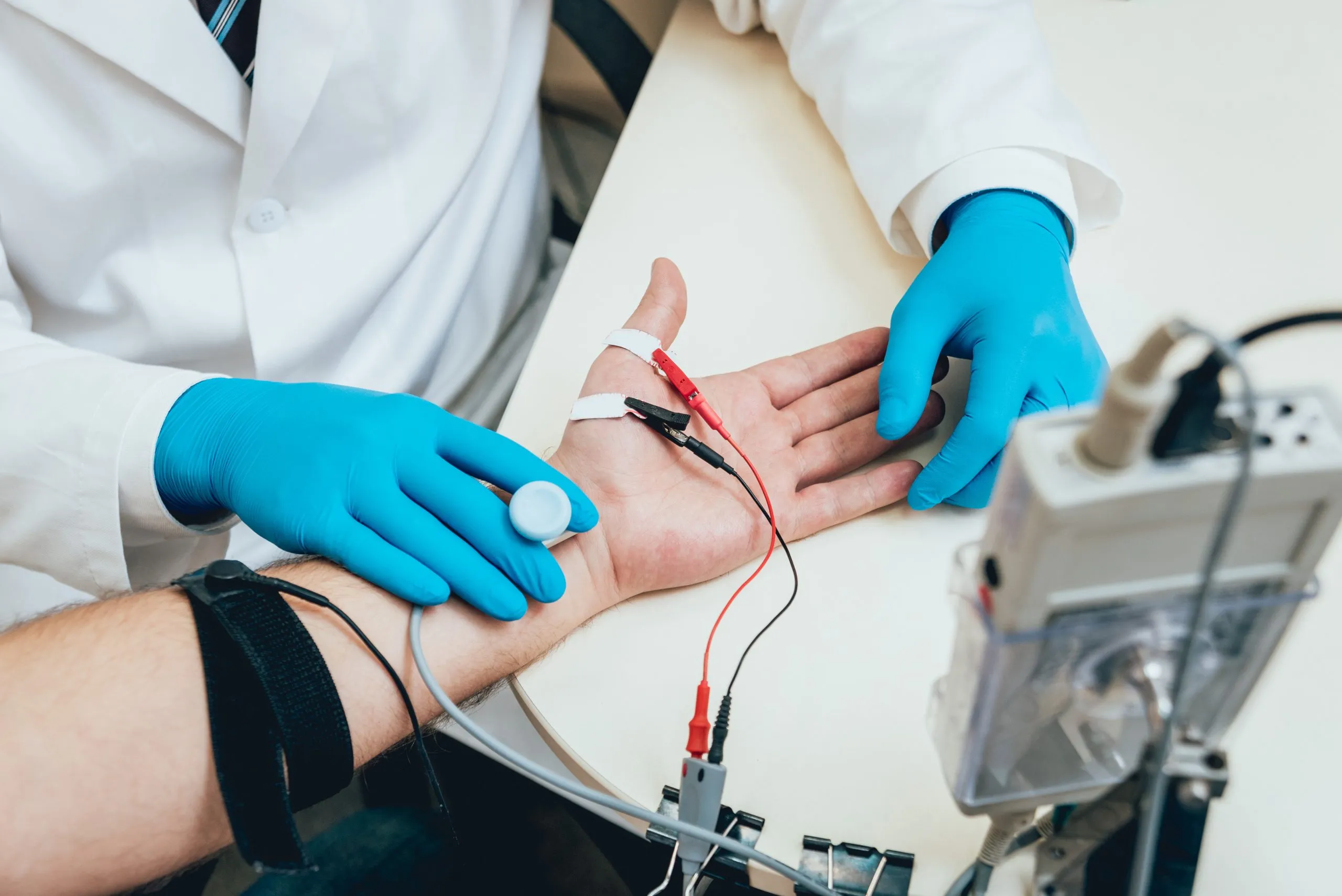
Urodynamic Testing
The urodynamic testing center of Clinique Pasteur Tunis specializes in the functional evaluation of the lower urinary tract, enabling precise diagnosis of voiding disorders, urinary incontinence and bladder-sphincter dysfunction. Equipped with a latest-generation multichannel urodynamic system with integrated video-urodynamics, the center performs complete and reliable assessments in conditions of optimal patient comfort. The center's urologists and specialists interpret the results in correlation with the full clinical and radiological workup, in order to propose the most appropriate treatment strategy. This center plays an essential role in the clinic's urological care pathway, in close collaboration with the urological surgery and pelvic floor rehabilitation departments, guaranteeing comprehensive care for patients with urinary disorders.
Our Examinations & Explorations
Click on an examination to learn more: description, preparation, how it works, duration.
Uroflowmetry
Non-invasive measurement of urinary flow used to assess the quality of voiding and detect possible obstacles to the outflow of urine.
Cystometry
Study of intravesical pressures during bladder filling and emptying, used to assess the compliance and contractility of the detrusor.
Urethral pressure profile (profilometry)
Measurement of pressures along the urethra used to assess sphincter function and quantify urethral resistance.
Pressure-flow study
Simultaneous analysis of bladder pressure and urinary flow during voiding, essential for distinguishing obstruction from underactivity.
Complete multichannel urodynamic assessment
Complete, simultaneous exploration of all phases of the voiding cycle combining cystometry, profilometry and pressure-flow study.
Video-urodynamics
Combination of a urodynamic assessment and real-time radiological imaging to visualise bladder morphology and function simultaneously.
Perineal electromyography
Recording of the electrical activity of the pelvic floor muscles and the urethral sphincter to assess their innervation and coordination.
Ultrasound measurement of post-void residual
Non-invasive assessment by suprapubic ultrasound of the volume of urine remaining in the bladder after voiding.
Bladder filling test
Assessment of bladder capacity and sensation by controlled filling, with analysis of compliance and detection of involuntary contractions.
Pre-operative urodynamic assessment
Complete functional assessment performed before urological surgery to confirm the diagnosis and guide the choice of operation.
Urinary incontinence assessment
Complete, targeted urodynamic exploration to characterise the type of urinary incontinence and guide therapeutic management.
Evaluation of bladder emptying disorders
Targeted functional exploration to identify the cause of bladder emptying difficulties: mechanical obstruction, detrusor underactivity or dyssynergia.
Book an Appointment
Contact us to schedule your exploration or get a personalized quote.
Request a Quote +216 36 402 000