
Cardiac Testing
The cardiac testing center of Clinique Pasteur Tunis brings together all non-invasive diagnostic examinations of the heart and blood vessels within a self-contained, fully dedicated department. Equipped with latest-generation echocardiography machines and an advanced digital Holter system, the center delivers fast and precise care, from a simple electrocardiogram to stress echocardiography and exercise testing. Invasive interventional cardiology procedures (coronary angiography, angioplasty, valvuloplasty, catheterization) are performed in the dedicated catheterization laboratory. The center plays a central role in the clinic's cardiovascular care pathway, in close collaboration with the cardiac surgery, cardiac intensive care and electrophysiology departments.
Our Examinations & Explorations
Click on an examination to learn more: description, preparation, how it works, duration.
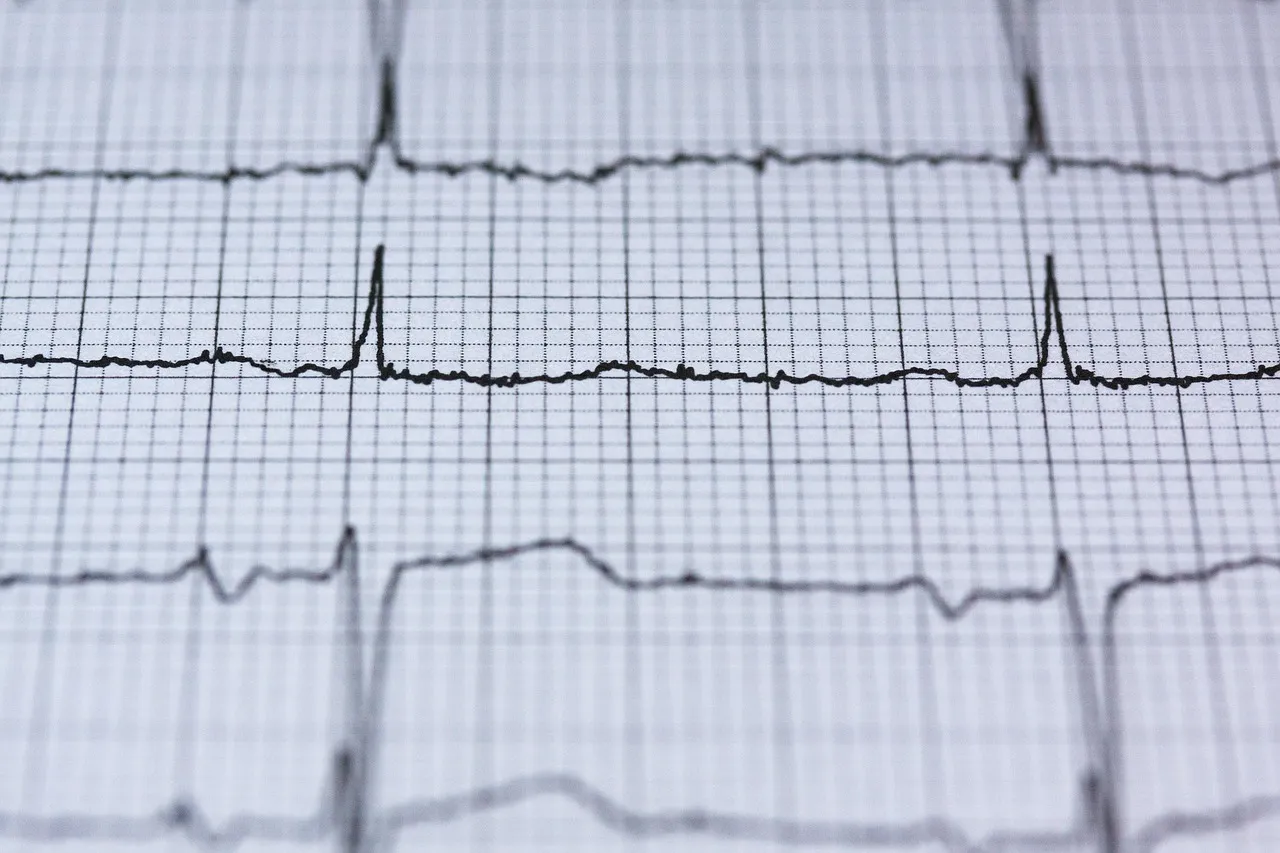
Resting electrocardiogram (ECG)
Recording of the heart's electrical activity at rest, used to detect abnormalities of rhythm or conduction and signs of myocardial ischemia.
Exercise electrocardiogram on a treadmill
Recording of the heart's electrical activity during progressive physical exercise on a treadmill, to detect myocardial ischemia not visible at rest.
Holter ECG (continuous 24h-48h-72h recording)
Continuous recording of the heart's electrical activity over 24 to 72 hours using a small portable device, to detect intermittent rhythm abnormalities.
Ambulatory blood pressure monitoring (ABPM)
Automatic, repeated measurement of blood pressure over 24 hours using a portable cuff, to assess the patient's daytime and nighttime blood pressure profile.
Transthoracic echocardiography (TTE)
Ultrasound imaging of the heart through the chest wall, used to assess the structure and function of the heart chambers, valves and pericardium.
Transesophageal echocardiography (TEE)
Ultrasound examination of the heart performed by inserting a miniature probe into the esophagus, providing very high-resolution images of the posterior cardiac structures and valves.
Stress echocardiography
Echocardiography performed during physical exercise or under pharmacological stimulation, to detect abnormalities of heart contraction revealed by stress.
Treadmill stress test with monitoring
Comprehensive stress test with continuous monitoring of the ECG, blood pressure and oxygen saturation, to assess functional capacity and detect myocardial ischemia.
Book an Appointment
Contact us to schedule your exploration or get a personalized quote.
Request a Quote +216 36 402 000