
Neurophysiological Testing
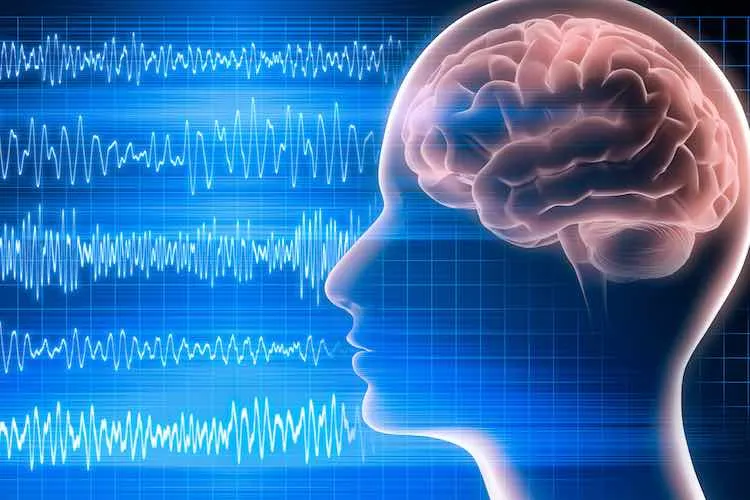
The neurophysiological testing center of Clinique Pasteur Tunis specializes in the functional diagnosis of the full range of conditions of the central and peripheral nervous system. Equipped with digital electroencephalography, high-resolution electromyography and a prolonged video-EEG system, the center provides complete and precise neurophysiological assessments. The center's neurophysiologists perform examinations that are essential for diagnosing epilepsy, neuropathies, myopathies, multiple sclerosis and many other neurological disorders. In close collaboration with the neurosurgery department, the center also carries out pre-surgical epilepsy evaluations and intraoperative neurophysiological monitoring, ensuring integrated, high-quality neurological care.
Our Examinations & Explorations
Click on an examination to learn more: description, preparation, how it works, duration.
Standard electroencephalogram (EEG)
Recording of the brain's electrical activity at rest and during stimulation, making it possible to detect functional abnormalities of the brain.
Sleep electroencephalogram
Recording of the brain's electrical activity during sleep, particularly useful for detecting epileptic abnormalities that appear only during sleep.
Prolonged video-EEG (continuous monitoring)
Simultaneous and prolonged recording of the brain's electrical activity and the patient's behaviour by video, making it possible to correlate clinical manifestations with EEG abnormalities.
Needle electromyography (EMG)
Examination exploring the electrical activity of muscles at rest and during contraction, making it possible to diagnose muscle disorders and peripheral nerve conditions.
Nerve conduction studies (NCS)
Measurement of the speed and quality of transmission of the nerve impulse along the peripheral nerves, essential for the diagnosis of neuropathies.
Visual evoked potentials (VEP)
Recording of the electrical response of the visual cortex to a light stimulation, making it possible to assess the integrity of the visual pathways from the optic nerve to the occipital cortex.
Auditory evoked potentials (AEP)
Recording of the electrical responses of the auditory pathways from the cochlear nerve to the brainstem, making it possible to assess hearing and the integrity of the central auditory pathways.
Somatosensory evoked potentials (SEP)
Recording of the electrical responses of the sensory pathways from the peripheral nerves to the cerebral cortex, assessing the integrity of the lemniscal pathway.
Motor evoked potentials (MEP)
Assessment of the corticospinal motor pathway by transcranial magnetic stimulation, measuring the central motor conduction time from the motor cortex to the muscles.
Pre-surgical assessment of epilepsy
Complete multidisciplinary assessment aimed at precisely identifying the epileptogenic focus in patients with drug-resistant epilepsy who are candidates for surgery.
Intraoperative neurophysiological monitoring
Real-time monitoring of nerve function during surgical procedures involving a neurological risk, making it possible to prevent irreversible nerve damage.
Study of the neuromuscular junction
Exploration of the transmission of the nerve impulse between the nerve and the muscle, essential for the diagnosis of myasthenia and myasthenic syndromes.
Book an Appointment
Contact us to schedule your exploration or get a personalized quote.
Request a Quote +216 36 402 000