
Cystectomy (bladder cancer)

Cystectomy (bladder cancer)

Surgical removal of the bladder as part of the treatment of bladder tumors, with reconstruction of a new urinary pathway.

What is it?

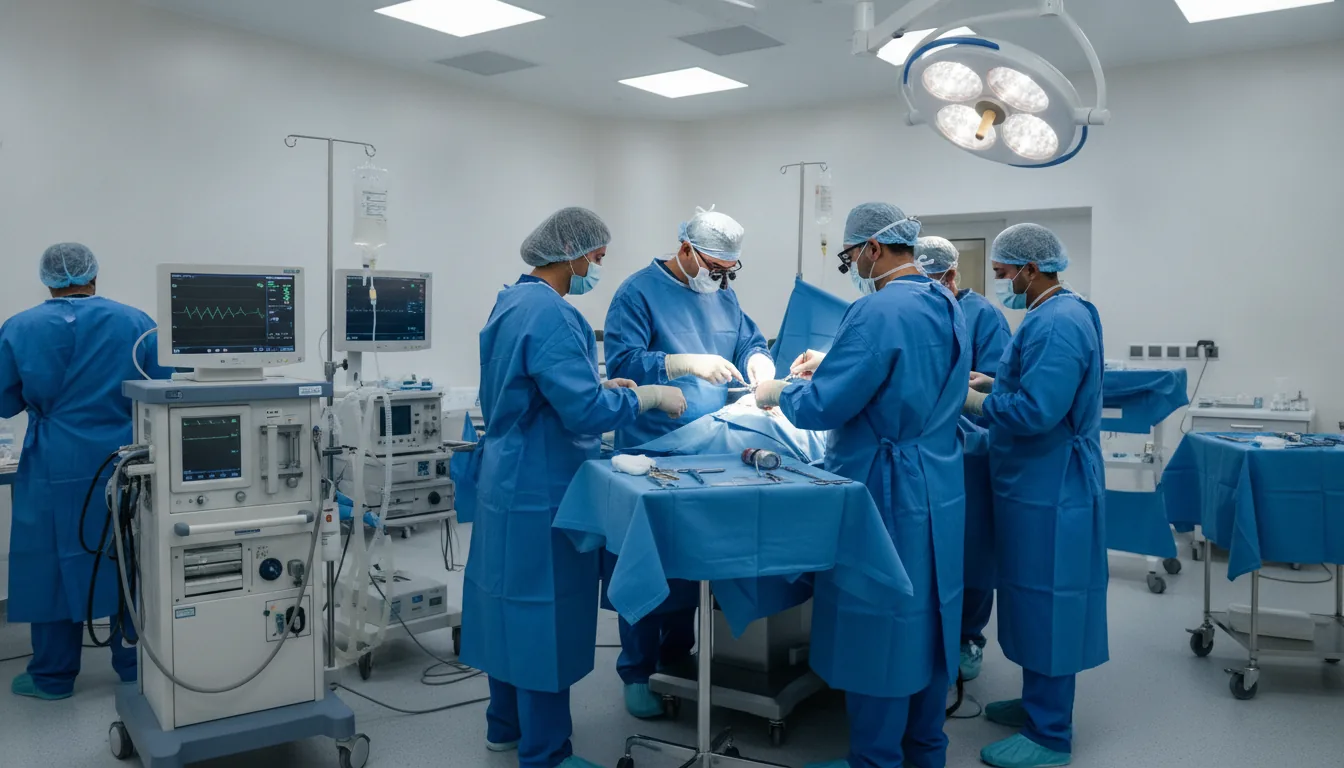
Cystectomy is the surgical procedure of removing the bladder. It is the reference treatment for certain bladder tumors when they can no longer be managed by simple endoscopic resections. The operation involves removing the bladder and the affected neighboring tissues, then reconstructing a urinary pathway. Depending on the situation, the surgeon either diverts the urine to the skin through a segment of intestine or, when possible, fashions a new bladder from an intestinal segment (neobladder), allowing urination through the natural passages to be preserved. This is major surgery, prepared with great care: a complete work-up, optimization of the patient's general condition and detailed information for the patient and their family. The decision and the reconstruction technique are discussed in a multidisciplinary meeting and tailored to each patient. At Clinique Pasteur Tunis, cystectomy is managed by a surgical and anesthesia team experienced in major urological surgery, with a dedicated intensive care unit that secures the postoperative course and attentive support throughout the care pathway.
Cystectomy (bladder cancer)

When is it indicated?

Bladder tumor invading the bladder muscle

When the tumor has penetrated the muscle of the bladder wall, removing the bladder becomes the reference treatment in pursuit of a cure.

High-risk superficial tumors resistant to endoscopic treatment

Certain tumors that are still superficial but aggressive continue to progress despite resections through the natural passages: cystectomy is then proposed before they advance further.

Multiple tumor recurrences despite properly conducted treatment

When tumors keep reappearing despite repeated and well-followed treatments, removal of the bladder puts a stop to this progression.

Certain situations in which the bladder can no longer perform its function

A severely damaged bladder that is painful or can no longer hold urine may, in rare cases, warrant replacement with a new urinary pathway.

Preparation

1Complete staging work-up (CT scan, laboratory tests)
2Anesthesia consultation and assessment of nutritional status
3Discussion of the urinary reconstruction method with the surgeon
4Stopping smoking strongly recommended before the procedure
5Fasting according to the anesthesia team's instructions

Procedure

1

General anesthesia

2

Removal of the bladder and the affected tissues

3

Removal of the neighboring lymph nodes

4

Reconstruction of the urinary pathway (cutaneous diversion or neobladder)

5

Careful verification and closure

6

Monitoring in the intensive care unit or step-down unit

7

Gradual resumption of eating and mobility

Duration

4 to 6 hours

Aftercare & Recovery

The hospital stay is longer than for other urological procedures, allowing time for bowel function and the new urinary pathway to become established. Personalized support is provided for learning the necessary care, and regular follow-up is organized with the urology team.

Risks and side effects

Complications inherent to any major abdominal surgery, prevented by rigorous preparation
Temporary bowel function disturbances
Adjustments required for the new way of passing urine, supported by the care team
Close monitoring in intensive care to secure the first days

These risks remain rare. Your surgeon will inform you in detail before the procedure.

Request a Quote

Contact us to schedule a consultation or receive a personalized quote.

Request a Quote +216 36 402 000

At a glance

Duration: 4 to 6 hours
Preparation: Required
Dedicated specialist team