
Transurethral resection of the prostate (TURP)

Transurethral resection of the prostate (TURP)

The reference endoscopic treatment for benign prostatic hyperplasia, performed through the natural passages without any incision.

What is it?

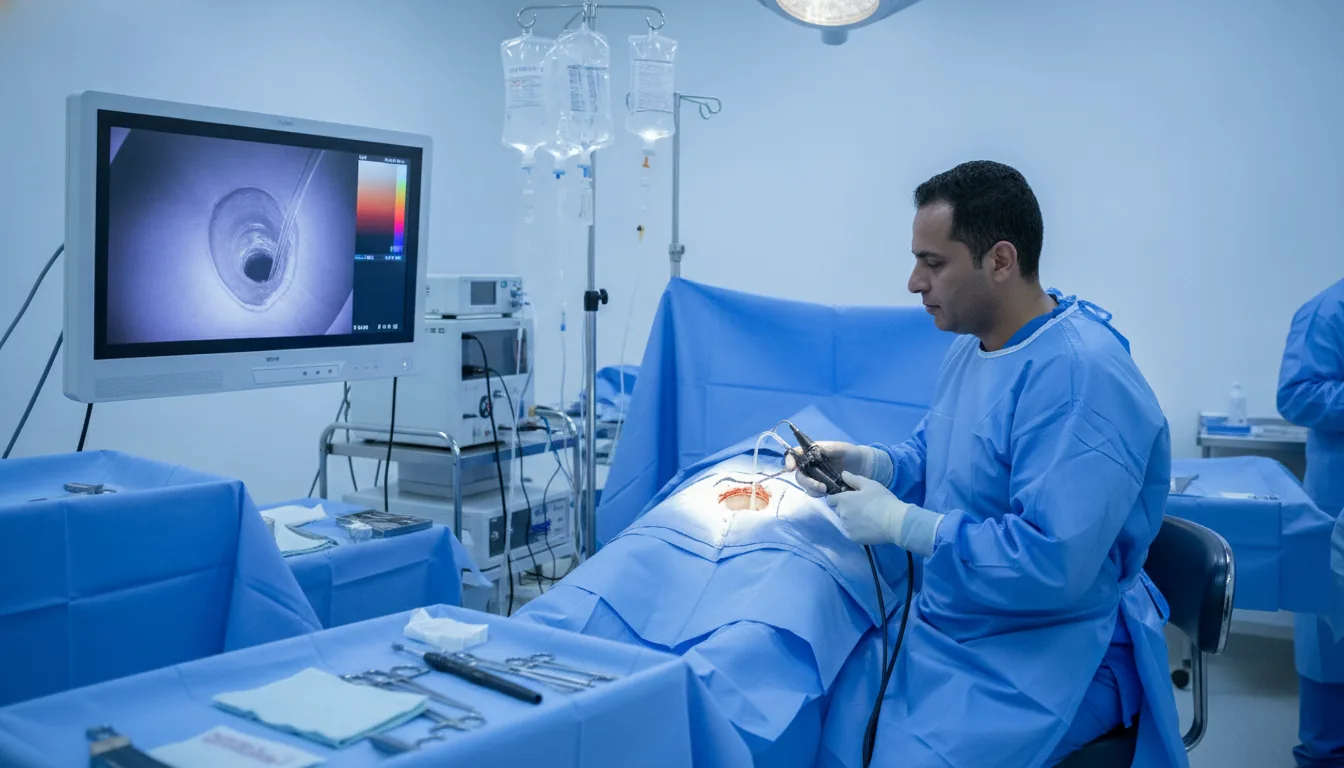
Transurethral resection of the prostate, or TURP, is the reference surgical treatment for prostate adenoma (benign hyperplasia). This endoscopic procedure is performed through the natural passages, without any incision: the surgeon introduces a resectoscope through the urethra and gradually removes the part of the prostate that obstructs the flow of urine. The use of a modern bipolar resectoscope allows a precise procedure with excellent bleeding control. The tissue fragments removed are systematically analyzed under the microscope, providing additional diagnostic reassurance. TURP provides lasting improvement of the urinary symptoms caused by the adenoma: difficulty urinating, weak stream, frequent nighttime awakenings, urgent urges. It is proposed when medical treatment is no longer sufficient or in the event of complications. At Clinique Pasteur Tunis, TURP is performed with latest-generation endoscopic equipment, by experienced urologists, during a short and comfortable hospital stay.
Transurethral resection of the prostate (TURP)

When is it indicated?

Benign prostatic hyperplasia with significant urinary discomfort

With age, the prostate can enlarge and obstruct the flow of urine: weak stream, nighttime awakenings, urgent urges. Removing the obstructing portion restores lasting urinary comfort.

Failure of or intolerance to medical treatment

When medications no longer relieve the urinary symptoms or cause troublesome side effects, the procedure becomes the reference solution.

Repeated episodes of urinary retention

The sudden inability to urinate, requiring emergency catheter placement, indicates that the prostatic obstruction has become too severe: surgery removes this obstacle.

Recurrent urinary tract infections related to the adenoma

A bladder that empties poorly promotes urine stagnation and infections. Treating the prostatic obstruction helps break this vicious circle.

Impact of the prostatic obstruction on the bladder or kidneys

When the obstruction eventually strains the bladder or affects the kidneys, it is important to intervene to protect the entire urinary tract.

Preparation

1Preoperative work-up with urine analysis (the urine must be sterile)
2Anesthesia consultation a few days before the procedure
3Possible adjustment of anticoagulant medications according to medical advice
4Fasting for 6 hours before the procedure

Procedure

1

General or spinal anesthesia according to the anesthesiologist's assessment

2

Introduction of the resectoscope through the natural passages, without any incision

3

Gradual resection of the obstructing prostatic tissue under visual control

4

Careful coagulation to limit bleeding

5

Placement of a urinary catheter with temporary bladder irrigation

6

Monitoring in the recovery room and then return to the room

Duration

About 1 hour

Aftercare & Recovery

The urinary catheter is removed after 24 to 72 hours, as soon as the urine clears. Urinary comfort improves quickly and continues to progress over the following weeks. A follow-up consultation is scheduled with the urologist to check on recovery.

Risks and side effects

Temporary urinary bleeding in the days following the procedure
Temporary burning sensations when urinating
Retrograde ejaculation, common but harmless, explained during the consultation
Urinary tract infection, prevented by checks before and after the procedure

These risks remain rare. Your surgeon will inform you in detail before the procedure.

Request a Quote

Contact us to schedule a consultation or receive a personalized quote.

Request a Quote +216 36 402 000

At a glance

Duration: About 1 hour
Preparation: Required
Dedicated specialist team