
Radical prostatectomy (prostate cancer)
Surgeries/Urological/Radical prostatectomy

Radical prostatectomy (prostate cancer)

Surgical procedure to remove the prostate as part of the treatment of localized prostate cancer.

What is it?

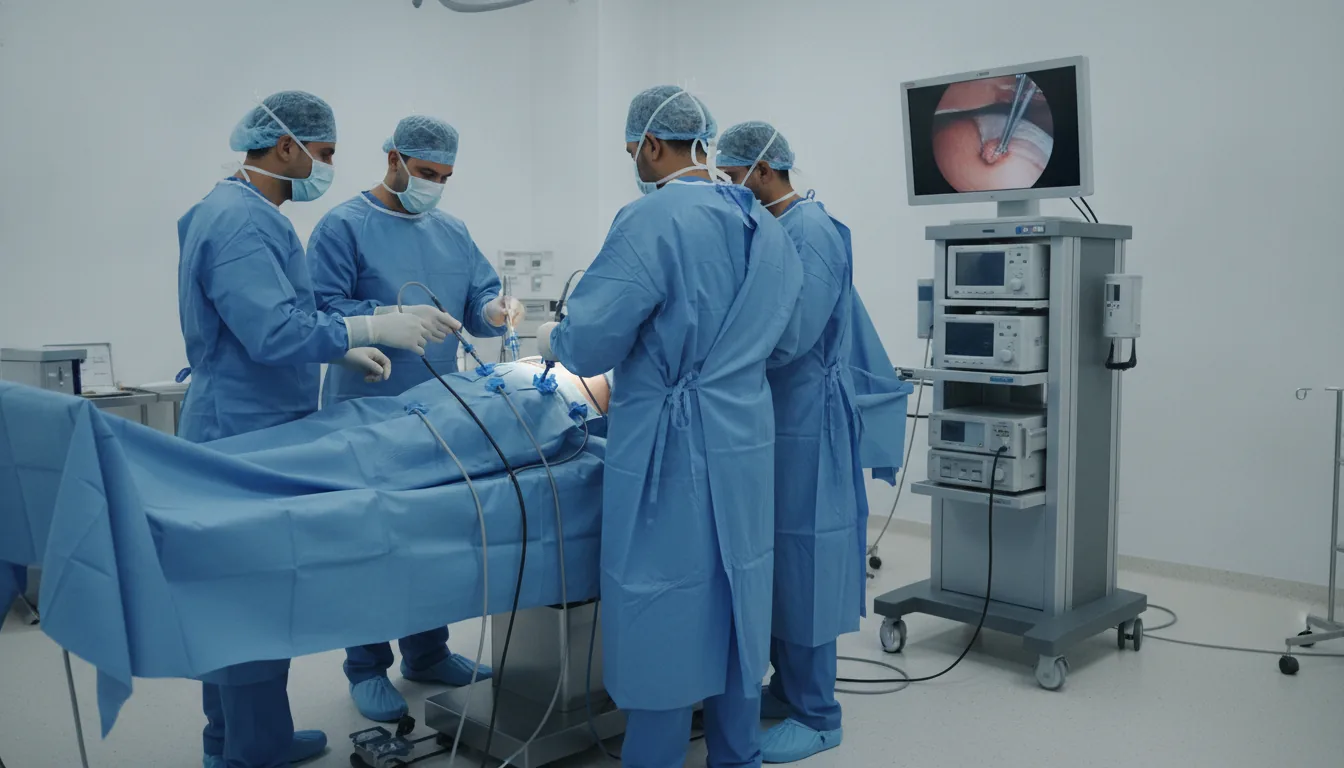
Radical prostatectomy is the reference procedure for the surgical treatment of localized prostate cancer. It consists of removing the entire prostate gland, together with the seminal vesicles, and then restoring continuity between the bladder and the urethra. The operation may be performed through a conventional open approach or laparoscopically, a minimally invasive technique favored whenever conditions allow. The laparoscopic approach offers a more comfortable postoperative course, with smaller scars and generally faster recovery. The decision to operate is always made within a multidisciplinary case review, taking into account the characteristics of the disease and the patient's overall condition. Whenever possible, the surgeon strives to preserve the nerve structures involved in continence and sexual function. At Clinique Pasteur Tunis, radical prostatectomy is performed by a urology team experienced in oncological surgery, in a safe environment that includes a modern operating theater, an intensive care unit and attentive postoperative follow-up.
Radical prostatectomy (prostate cancer)

When is it indicated?

Localized prostate cancer confirmed by biopsy

When the cancer is still confined to the prostate, removing the entire gland offers a real chance of definitive cure.

Patient in good general health who can benefit from curative treatment

This surgery is intended for patients whose health status allows a complete cure to be pursued, after careful assessment by the medical team.

Decision validated by a multidisciplinary team meeting

Each case is discussed by several specialists (urologist, oncologist, radiation oncologist) to ensure that surgery is the best option for that particular patient.

Alternative or complement to other treatments depending on the stage of the disease

Depending on the characteristics of the disease, surgery may replace or complement other treatments such as radiotherapy. The choice is always personalized.

Preparation

1Complete preoperative work-up (blood tests, cardiac assessment)
2Mandatory anesthesia consultation a few days before the procedure
3Discontinuation of certain medications as instructed by the physician (anticoagulants in particular)
4Fasting for 6 hours before the procedure
5Antiseptic shower the evening before and on the morning of the procedure

Procedure

1

Admission and settling into the inpatient unit

2

General anesthesia administered by the anesthesia team

3

Removal of the prostate and seminal vesicles, laparoscopically or through an open approach

4

Restoration of continuity between the bladder and the urethra (anastomosis)

5

Placement of a temporary urinary catheter

6

Postoperative monitoring in the recovery room and then on the ward

Duration

2 to 4 hours

Aftercare & Recovery

The hospital stay usually lasts a few days. The urinary catheter is removed once the anastomosis has healed. Continence returns gradually over the following weeks, with the possible help of pelvic floor rehabilitation. Regular follow-up is then organized with the urologist.

Risks and side effects

Intraoperative bleeding, controlled by the surgical team
Temporary urinary continence disturbances, improving with rehabilitation
Possible impact on sexual function, discussed beforehand with the surgeon
Rare complications inherent to any abdominal surgery, prevented by attentive monitoring

These risks remain rare. Your surgeon will inform you in detail before the procedure.

Request a Quote

Contact us to schedule a consultation or receive a personalized quote.

Request a Quote +216 36 402 000

At a glance

Duration: 2 to 4 hours
Preparation: Required
Dedicated specialist team