
Tendon surgery (rotator cuff)
Surgeries/Orthopedic/Rotator cuff

Tendon surgery (rotator cuff)

Arthroscopic repair of torn or damaged shoulder tendons, to relieve pain and restore arm strength.

What is it?

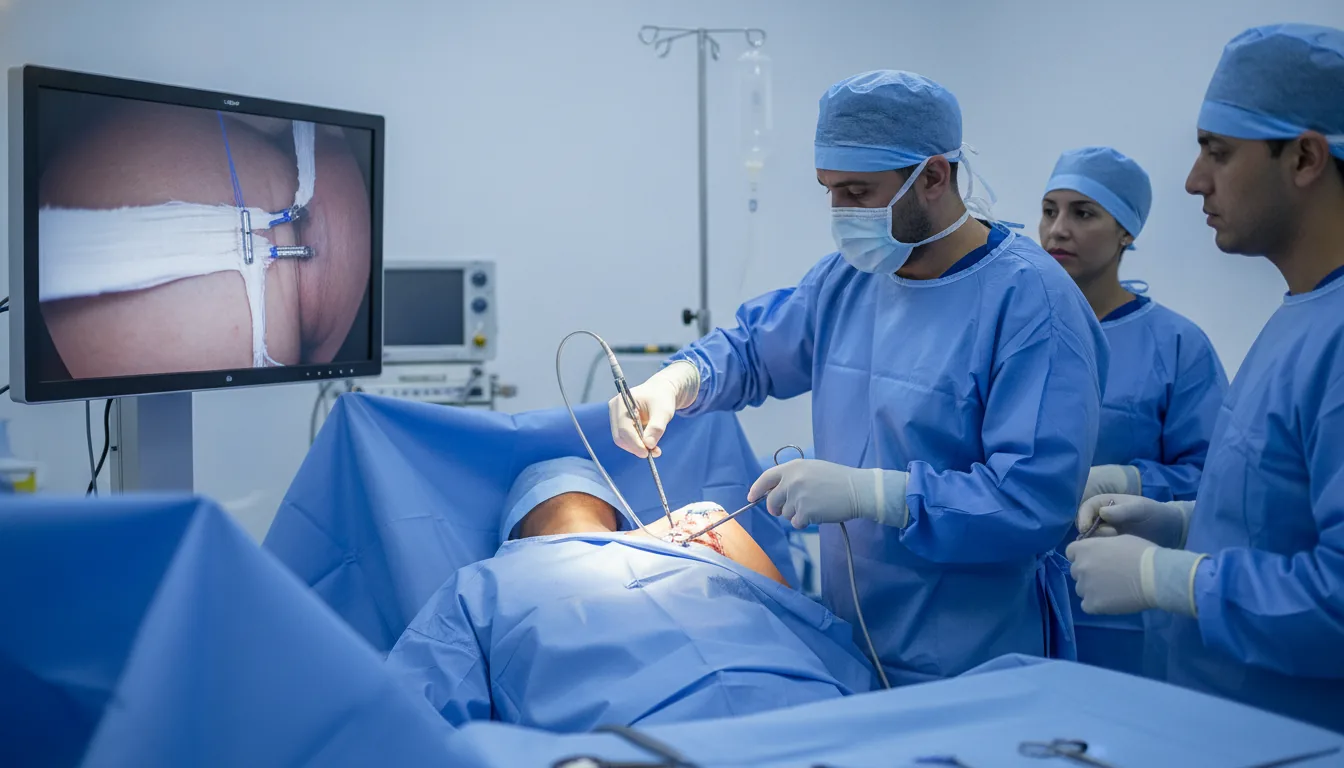
The rotator cuff is the group of tendons that surround the shoulder and allow the arm to be raised and rotated. Over time or following an injury, these tendons can wear out, become inflamed or tear, causing pain, particularly at night, and loss of strength. When medical treatment (rehabilitation, injections) is no longer sufficient, surgical repair is proposed. It is performed under arthroscopy: the torn tendon is reattached to the bone using anchors and specific sutures, through short incisions. Associated procedures (treatment of the long head of the biceps, acromioplasty) are performed at the same time if necessary. After the operation, the shoulder is protected by a sling for a few weeks, while the tendon heals onto the bone. Rehabilitation, gentle at first and then progressively active, makes it possible to recover mobility and then strength over several months. At Clinique Pasteur Tunis, rotator cuff surgery is performed under arthroscopy by surgeons specialized in the shoulder, with a personalized rehabilitation protocol and regular follow-up until full recovery.
Tendon surgery (rotator cuff)

When is it indicated?

Rotator cuff tendon tear confirmed by imaging

When ultrasound or MRI confirms that a shoulder tendon is torn, repairing it makes it possible to reattach it to the bone before the lesion worsens.

Persistent shoulder pain despite medical treatment

When rehabilitation and injections no longer relieve the shoulder, surgical repair of the tendons becomes the solution to regain comfort.

Night pain disturbing sleep

Shoulder pain that wakes you at night or prevents you from sleeping on your side is highly suggestive of tendon damage; it improves markedly after the repair.

Loss of strength when raising the arm

When raising the arm becomes difficult or impossible, it is often a sign that a torn tendon is no longer doing its job. Reattaching it progressively restores strength.

Traumatic tear in an active patient

After a fall or violent effort in an active person, prompt repair of the tendon offers the best chances of full recovery.

Preparation

1Imaging work-up (ultrasound, MRI or CT arthrogram of the shoulder)
2Pre-operative rehabilitation sometimes prescribed to loosen the shoulder
3Pre-operative anesthesia consultation
4Fast for 6 hours before the operation
5Plan loose-fitting, front-opening clothing for the sling period

Procedure

1

General anesthesia combined with a nerve block of the shoulder

2

Complete arthroscopic exploration of the joint

3

Preparation of the tendon insertion site on the bone

4

Reattachment of the tendon using anchors and specific sutures

5

Associated procedures if necessary (biceps, acromioplasty)

6

Closure of the short incisions and fitting of the sling

Duration

1 hour to 1 hour 30 minutes

Aftercare & Recovery

Pain, particularly at night, improves progressively as healing takes place. The sling is worn for a few weeks, then rehabilitation makes it possible to recover the mobility and strength of the shoulder over the months, until usual activities are resumed.

Risks and side effects

Shoulder stiffness (frozen shoulder), prevented by appropriate rehabilitation
Incomplete tendon healing, uncommon when the post-operative protocol is followed
Temporary residual pain during the recovery phase

These risks remain rare. Your surgeon will inform you in detail before the procedure.

Request a Quote

Contact us to schedule a consultation or receive a personalized quote.

Request a Quote +216 36 402 000

At a glance

Duration: 1 hour to 1 hour 30 minutes
Preparation: Required
Dedicated specialist team