
Lymph node dissection
Surgeries/Cancer Surgery/Lymph node dissection

Lymph node dissection

Surgical removal of the lymph nodes draining a tumour, an essential step in the treatment and assessment of many cancers.

What is it?

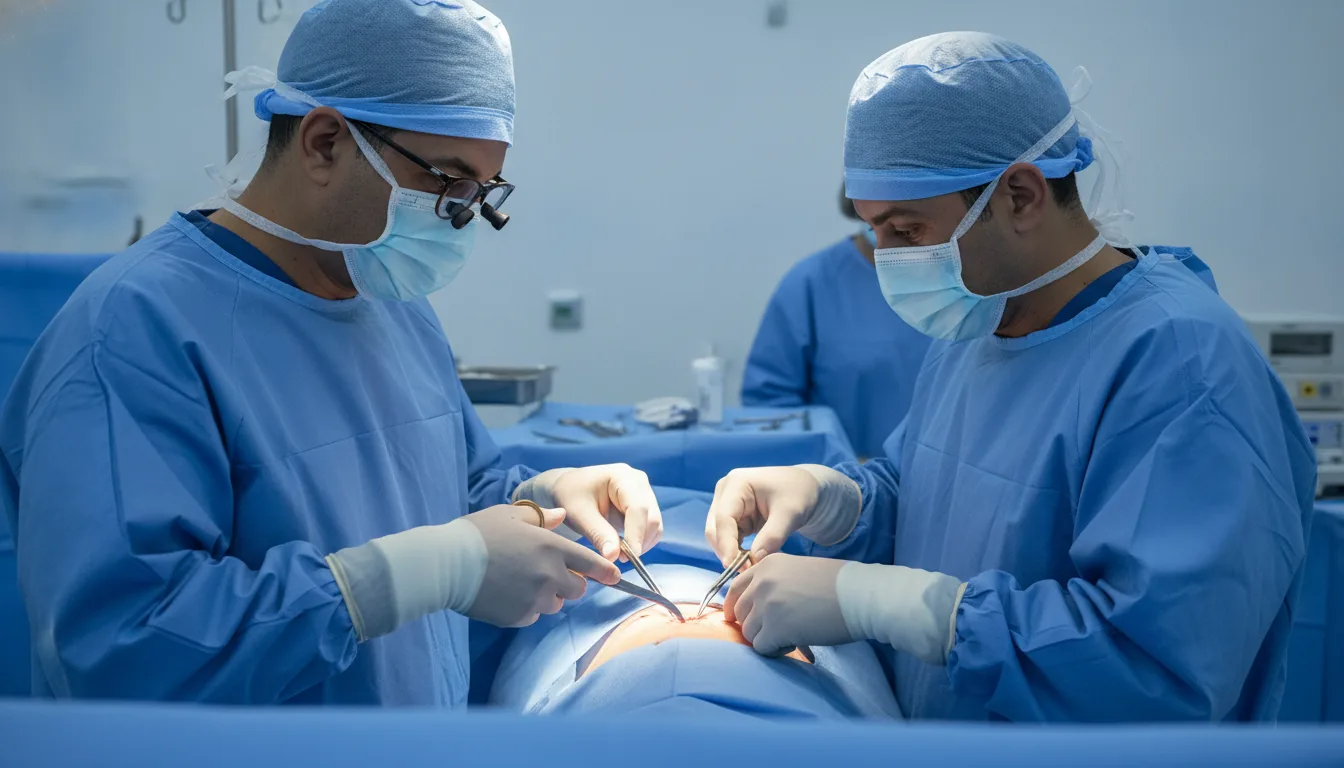
The lymph nodes are the first drainage relay of the organs: in oncology, their analysis provides precise information about the spread of the disease, and their removal contributes to the local control of the cancer. Lymph node dissection consists of surgically removing the group of nodes draining the tumour: the armpit for the breast, the pelvis for gynaecological and urological cancers, the neck for the thyroid, and the corresponding relays for digestive cancers. The dissection is most often performed during the same operation as the removal of the tumour. Its extent is defined according to precise rules, and in certain locations the sentinel lymph node technique makes it possible to limit the procedure when the first relays are free of disease. At Clinique Pasteur Tunis, lymph node dissections are performed by surgeons experienced in each specialty concerned. All the removed nodes undergo pathological analysis, and the results, presented at the multidisciplinary team meeting, guide any additional treatments.
Lymph node dissection

When is it indicated?

Lymph node stage associated with breast cancer surgery

Analysis of the lymph nodes in the armpit is part of breast cancer treatment: it is performed during the same operation as the removal of the tumour.

Pelvic dissection for gynaecological or urological cancers

For certain cancers of the pelvis, removing the draining lymph nodes completes the treatment and clarifies the exact extent of the disease.

Neck dissection associated with thyroid surgery

When a thyroid cancer is accompanied by affected lymph nodes in the neck, their removal during the same operation improves control of the disease.

Standardised dissection for digestive cancers

Removing the lymph node relays according to precise rules is an integral part of surgery for cancers of the digestive tract and determines the quality of the treatment.

Positive sentinel lymph node requiring a completion dissection

If analysis of the first draining node reveals abnormal cells, a more complete dissection may be necessary to secure the treatment.

Suspicious enlarged lymph node to be removed for analysis

An abnormally large or unusual-looking lymph node can be removed to be analysed in full, providing a precise diagnosis.

Preparation

1Imaging work-up identifying the lymph node areas concerned
2Discussion of the extent of the dissection at a multidisciplinary team meeting
3Anaesthesia consultation
4Fast for 6 hours before the procedure

Procedure

1

General anaesthesia, most often during the same operation as the removal of the tumour

2

Approach to the lymph node area concerned

3

Meticulous dissection preserving the neighbouring vessels and nerves

4

En bloc removal of the lymph node group according to oncological rules

5

Possible placement of a small temporary drain

6

Careful closure

Duration

30 minutes to 2 hours depending on the area concerned, often integrated into the main operation

Aftercare & Recovery

Pathological analysis of all the removed lymph nodes determines the stage of the disease and guides additional treatments. A small temporary drain is sometimes needed for the first few days. Specific advice is provided to prevent swelling of the limb concerned when the dissection makes it relevant.

Risks and side effects

Temporary lymphatic leakage (lymphocele), monitored and drained by needle if needed
Swelling of the neighbouring limb (lymphoedema), prevented through advice and early management
Altered sensation in the operated area, often reversible

These risks remain rare. Your surgeon will inform you in detail before the procedure.

Request a Quote

Contact us to schedule a consultation or receive a personalized quote.

Request a Quote +216 36 402 000

At a glance

Duration: 30 minutes to 2 hours depending on the area concerned, often integrated into the main operation
Preparation: Required
Dedicated specialist team