
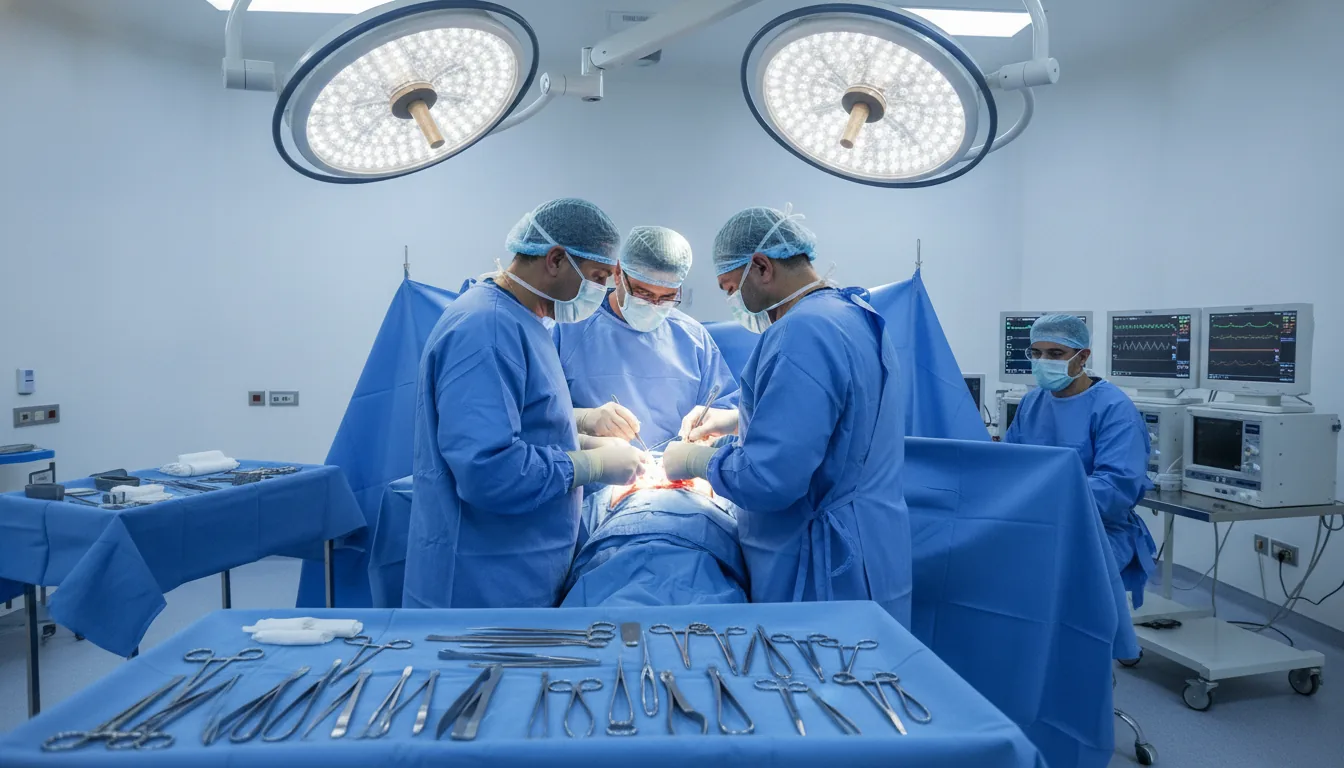
Surgery for digestive cancers (stomach, colon, rectum, liver)
Surgeries/Cancer Surgery/Digestive cancers

Surgery for digestive cancers (stomach, colon, rectum, liver)

Surgical management of tumours of the digestive tract, decided in multidisciplinary consultation and tailored to each patient.

What is it?

Surgery plays a central role in the treatment of digestive cancers: stomach, colon, rectum, liver, pancreas. It consists of removing the tumour with safety margins, together with the draining lymph nodes, following precise oncological rules that determine the quality of the treatment. Each case is discussed at a multidisciplinary team meeting bringing together surgeons, oncologists, radiologists and other specialists, in order to define the best strategy: surgery straight away or after preparatory treatment, conventional or minimally invasive approach. Digestive continuity is restored whenever possible during the same operation. At Clinique Pasteur Tunis, digestive cancer surgery relies on comprehensive technical facilities — imaging, endoscopy, fully equipped operating theatres, intensive care — and on frozen-section analyses available during the procedure. Pathological analysis of the surgical specimen is carried out and guides the next stage of treatment, within a coordinated pathway attentive to the patient and their family.
Surgery for digestive cancers (stomach, colon, rectum, liver)

When is it indicated?

Tumour of the colon or rectum confirmed by biopsy

When a tumour of the bowel is confirmed by tissue samples, its surgical removal forms the cornerstone of treatment, with good prospects when it is caught in time.

Stomach tumour requiring surgical removal

Some stomach tumours are treated by removing the diseased area, sometimes after preparatory treatment intended to make the surgery easier.

Liver tumours, primary or secondary, suitable for resection

Whether they originated in the liver or spread from another organ, some liver tumours can be removed thanks to the liver's remarkable ability to regenerate.

Selected tumours of the pancreas or bile ducts

After a thorough work-up, some tumours of the pancreas or bile ducts are suitable for specialised surgery, decided jointly by the experts.

Tumour complications requiring surgery (obstruction, bleeding)

A tumour can sometimes block the bowel or bleed: surgery then makes it possible to treat the complication and quickly relieve the patient.

Preparation

1Complete work-up: endoscopy with biopsies, CT scan and additional imaging
2Presentation of the case at a multidisciplinary team meeting
3Possible preparatory treatment (chemotherapy or radiotherapy) before surgery depending on the case
4Optimisation of nutritional status and anaesthesia consultation
5Fast for 6 hours before the procedure

Procedure

1

General anaesthesia

2

Appropriate approach: laparoscopy or conventional incision depending on the tumour

3

Removal of the tumour with safety margins

4

Dissection of the draining lymph nodes according to oncological rules

5

Frozen-section analyses during the procedure if necessary

6

Restoration of digestive continuity whenever possible

7

Appropriate post-operative monitoring, in intensive care if needed

Duration

2 to 5 hours depending on the location

Aftercare & Recovery

Recovery is gradual, with a step-by-step return to eating and attentive support from the team. The results of the pathological analysis, presented at the multidisciplinary team meeting, determine the next stage of treatment and the follow-up schedule.

Risks and side effects

Anastomotic leak, a complication that is closely monitored and treated without delay
Infection or delayed healing, treated appropriately
Temporary digestive disturbances during convalescence
Risks specific to each location, explained in detail before the procedure

These risks remain rare. Your surgeon will inform you in detail before the procedure.

Request a Quote

Contact us to schedule a consultation or receive a personalized quote.

Request a Quote +216 36 402 000

At a glance

Duration: 2 to 5 hours depending on the location
Preparation: Required
Dedicated specialist team