
Hysterectomy (abdominal, vaginal, laparoscopic)

Hysterectomy (abdominal, vaginal, laparoscopic)

Surgical removal of the uterus, performed via the abdominal, vaginal or laparoscopic route depending on each patient's situation.

What is it?

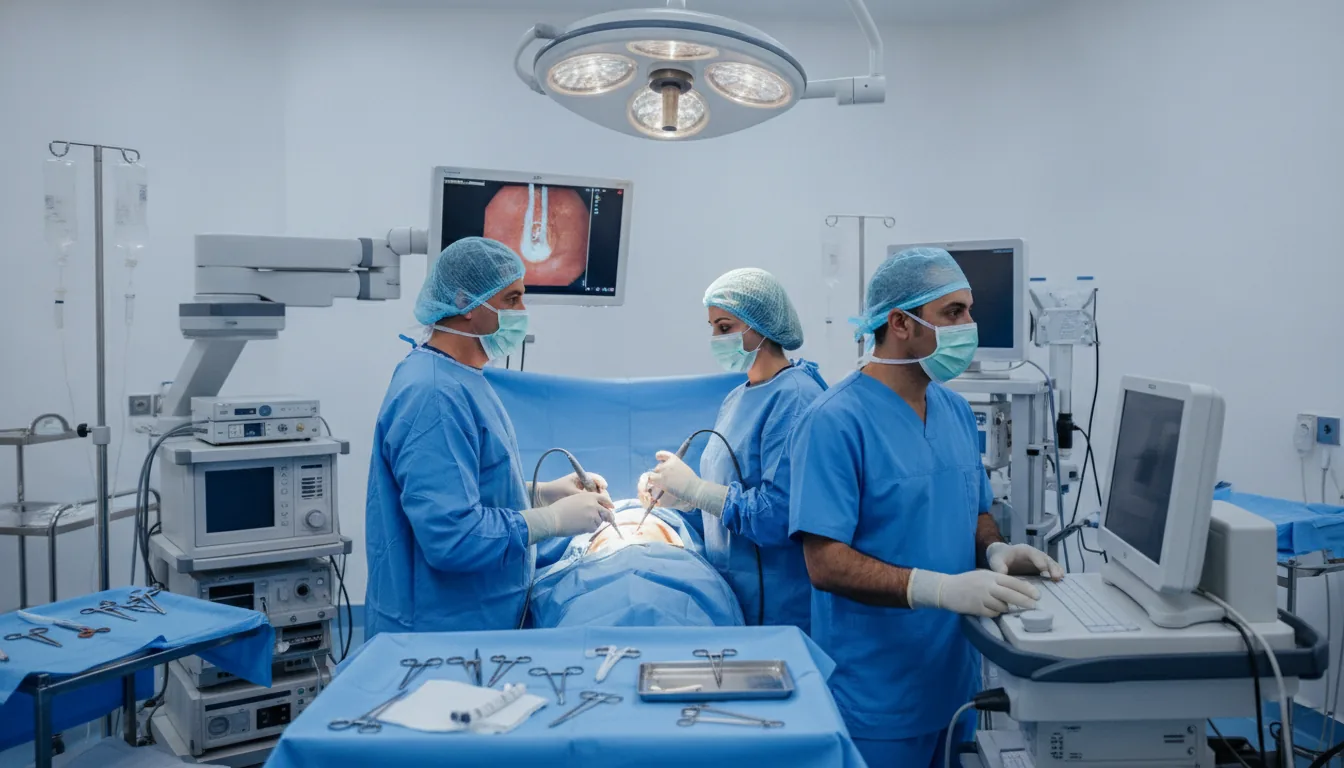
A hysterectomy is the operation that consists of removing the uterus. It is offered when conservative treatments have not brought the patient relief, particularly in cases of large fibroids, disabling bleeding, adenomyosis, prolapse or certain lesions of the cervix or the body of the uterus. Several surgical approaches are possible, and the choice is adapted to each situation: the laparoscopic route (small abdominal incisions with a camera), the vaginal route (with no abdominal scar) or the conventional abdominal route for particular cases. Depending on the indication, the procedure may involve the uterus alone or be combined with removal of the fallopian tubes, or even the ovaries, which is discussed in detail before the operation. During the preliminary consultations, the gynecologist explains the consequences of the procedure, in particular the end of menstruation and the impossibility of future pregnancy, as well as the expected benefits for the symptoms. This shared decision, never rushed, is at the heart of the team's approach. At Clinique Pasteur Tunis, the gynecological surgeons favor minimally invasive approaches whenever possible, for a simpler recovery and a faster return to normal life. The patient is surrounded by an attentive team, from the pre-operative consultation to follow-up after the procedure.
Hysterectomy (abdominal, vaginal, laparoscopic)

When is it indicated?

Large or symptomatic uterine fibroids resistant to treatment

When large fibroids cause troublesome symptoms despite treatment, removing the uterus provides definitive relief.

Heavy, disabling bleeding not controlled by treatment

Very heavy periods that are exhausting on a daily basis and no longer respond to medication may justify this procedure in order to regain a normal life.

Severe adenomyosis

In this condition, tissue similar to the uterine lining infiltrates the muscle of the uterus, causing pain and bleeding; the procedure makes them disappear.

Uterine prolapse, depending on the situation

When the uterus descends and causes significant discomfort, its removal may form part of the treatment for pelvic organ prolapse.

Precancerous or cancerous lesions of the uterus or cervix

Faced with certain lesions of the cervix or the body of the uterus, the procedure treats the disease and provides lasting protection for the patient's health.

Preparation

1Pre-operative consultations with the gynecologist and the anesthesiologist
2Complete pre-operative work-up (laboratory tests, imaging)
3Fast for 6 hours before the procedure
4Report all current medications, particularly anticoagulants
5Pre-operative shower according to the protocol provided

Procedure

1

Admission on the day of the procedure or the day before

2

General or regional anesthesia depending on the case

3

Procedure via the chosen approach (laparoscopic, vaginal or abdominal)

4

Removal of the uterus, with or without the tubes and ovaries depending on the indication

5

Careful checking and closure

6

Monitoring in the recovery room, then return to the room

Duration

1 to 2 hours depending on the surgical approach

Aftercare & Recovery

Recovery depends on the surgical approach: after a laparoscopic or vaginal procedure, patients are up early and the stay is short, with a gradual return to normal activities over a few weeks. The disappearance of the symptoms that motivated the procedure (bleeding, pain, heaviness) markedly improves quality of life. A follow-up consultation checks that healing is progressing well.

Risks and side effects

A frequent and well-standardized procedure, performed by experienced surgeons
Moderate post-operative pain, controlled by painkillers
As with any surgery, rare complications (bleeding, infection, injury to a neighboring organ) are possible; they are prevented by the technique and by monitoring

These risks remain rare. Your surgeon will inform you in detail before the procedure.

Request a Quote

Contact us to schedule a consultation or receive a personalized quote.

Request a Quote +216 36 402 000

At a glance

Duration: 1 to 2 hours depending on the surgical approach
Preparation: Required
Dedicated specialist team