
Planned and emergency caesarean section

Planned and emergency caesarean section

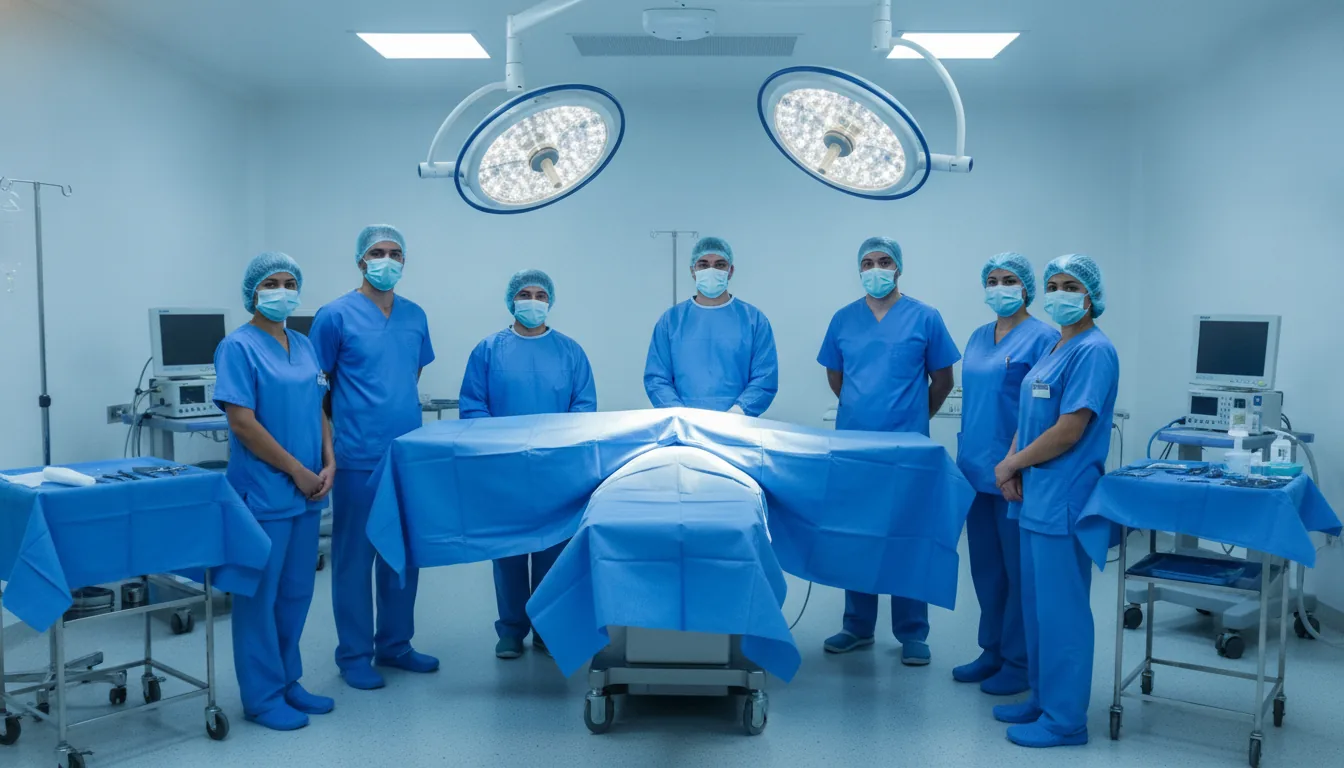
Surgical birth, planned in advance or decided as an emergency, performed in a dedicated theater adjacent to the delivery rooms.

What is it?

A caesarean section is a surgical procedure that allows the baby to be born through an incision in the abdomen and the uterus. It may be planned in advance when vaginal delivery is not recommended (position of the baby, previous history, medical reasons), or decided as an emergency during labor if the situation requires it. The procedure is most often performed under regional anesthesia (spinal or epidural), which allows the mother to remain awake and discover her baby from the moment of birth. Depending on the circumstances, the birth partner may be present nearby. The incision is generally horizontal and discreet, located below the bikini line. The clinic's maternity unit has a dedicated caesarean section theater, directly adjacent to the delivery rooms: this configuration allows immediate management in an emergency, without any transfer. The pediatrician is present to welcome the newborn and carry out the first examinations. At Clinique Pasteur Tunis, the obstetric, anesthesia and pediatric teams are available 24 hours a day. After the procedure, the mother is monitored in the recovery room and then joins her room with her baby, where the team helps her with the first steps despite the post-operative recovery.
Planned and emergency caesarean section

When is it indicated?

Position of the baby not allowing vaginal delivery (breech, transverse)

When the baby presents in the breech or transverse position, a caesarean section offers a safer birth for both baby and mother.

History of caesarean section or uterine surgery, according to the obstetrician's assessment

A uterine scar left by a previous operation can make vaginal delivery more delicate; the obstetrician then assesses the safest option.

Low-lying placenta (placenta praevia)

When the placenta is positioned too low and covers the baby's passage, a caesarean section becomes necessary to prevent any bleeding.

Multiple pregnancy, depending on the situation

Expecting twins or more may, depending on their position and the course of the pregnancy, lead to a caesarean birth being preferred.

Abnormalities of labor or of the fetal heart rate requiring a rapid birth

If the baby shows signs of fatigue during labor, an emergency caesarean section allows the baby to be delivered quickly and safely.

Maternal medical reasons contraindicating vaginal delivery

Certain maternal health conditions make vaginal delivery inadvisable; a caesarean section then protects both mother and child.

Preparation

1Mandatory anesthesia consultation before the procedure
2Fast for 6 hours before a planned caesarean section
3Pre-operative shower according to the instructions provided
4Pre-operative work-up prescribed by the team
5Pack the maternity bag as for any delivery

Procedure

1

Welcome and preparation in the maternity unit

2

Settling into the caesarean section theater and regional anesthesia

3

Placement of the drapes and surgical preparation

4

Birth of the baby, generally within a few minutes of the start of the procedure

5

Presentation of the newborn to the mother and first care by the pediatrician

6

Careful layer-by-layer closure

7

Monitoring in the recovery room, then return to the room with the baby

Duration

45 minutes to 1 hour in total

Aftercare & Recovery

Recovery after a caesarean section takes a little longer than after a vaginal birth: getting up is encouraged from the following day, pain is controlled with appropriate treatment, and the stay generally lasts a few days. The scar, which is discreet, fades gradually over the months. A full return to normal activities takes place gradually over a few weeks.

Risks and side effects

The caesarean section is a very well-mastered procedure, governed by rigorous protocols
Usual post-operative pain, well controlled by the prescribed painkillers
As with any surgery, rare complications (bleeding, infection) are possible and are prevented by the team's monitoring

These risks remain rare. Your surgeon will inform you in detail before the procedure.

Request a Quote

Contact us to schedule a consultation or receive a personalized quote.

Request a Quote +216 36 402 000

At a glance

Duration: 45 minutes to 1 hour in total
Preparation: Required
Dedicated specialist team