
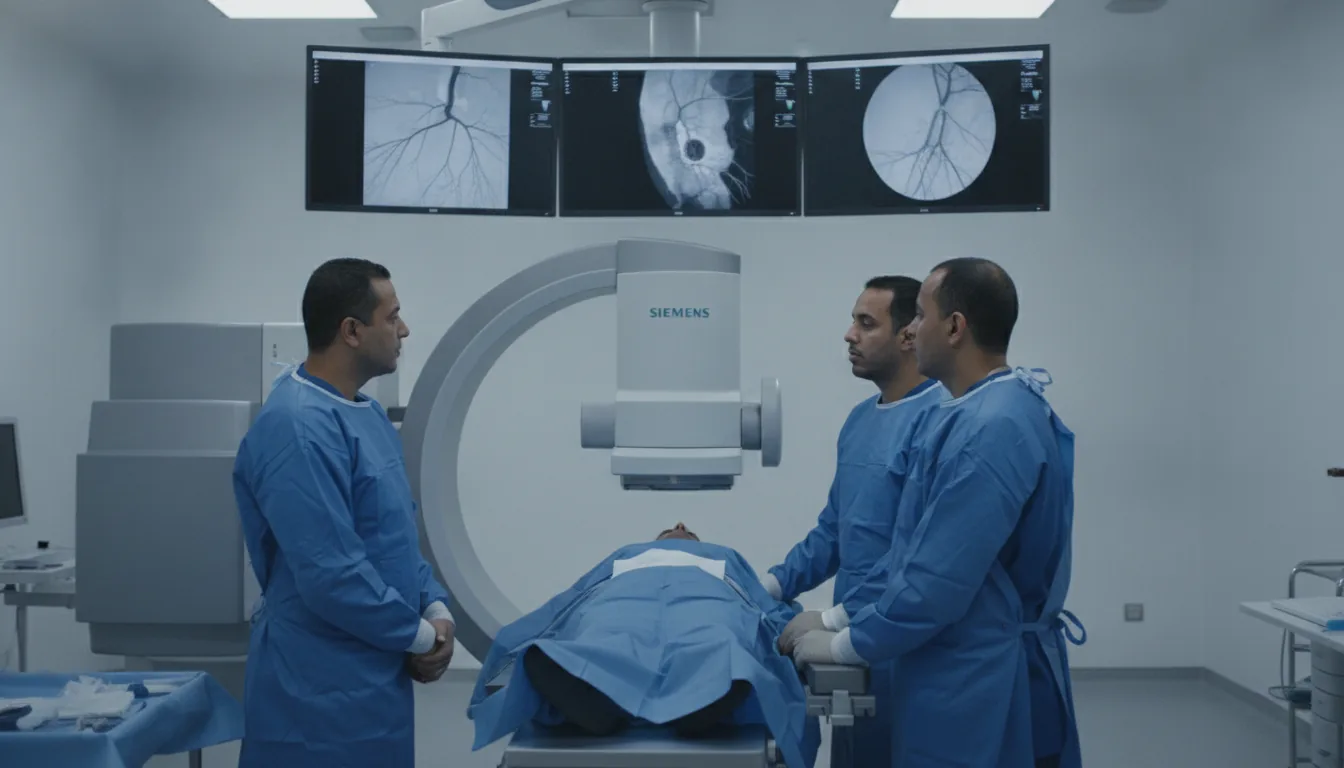
Treatment of aneurysms

Treatment of aneurysms

Surgical or endovascular treatment of abnormal dilations of the arteries, before they lead to complications.

What is it?

An aneurysm is a localised, permanent dilation of an artery, whose wall gradually weakens. Often silent for years, it is frequently discovered during an imaging examination. Treating it in time, before any complication, is the essential goal of management. Two main approaches exist. Open surgery consists of replacing the dilated arterial segment with a vascular prosthesis: it is a proven and durable technique. Endovascular treatment consists of excluding the aneurysm from the circulation by deploying a stent graft inside the artery, through a simple puncture at the groin crease. The choice between these two techniques depends on the location of the aneurysm (abdominal aorta, thoracic aorta, peripheral arteries), its shape, and the patient's age and general condition. This decision is made collegially, after a complete imaging work-up. At Clinique Pasteur Tunis, the cardiovascular team has mastered both approaches, which makes it possible to offer each patient the solution best suited to their situation, with organised long-term follow-up.
Treatment of aneurysms

When is it indicated?

Abdominal aortic aneurysm that has reached a size warranting treatment

Beyond a certain size, a dilation of the aorta must be treated to prevent any risk of rupture.

Progressively enlarging thoracic aortic aneurysm

When the dilation in the chest keeps growing, planned treatment makes it possible to act before any complication.

Aneurysms of the peripheral arteries (popliteal, femoral)

The arteries of the leg can also dilate; treating them prevents the formation of clots that would impede the circulation.

Symptomatic or rapidly growing aneurysm

An aneurysm that becomes painful or grows quickly must be treated without delay.

Incidental finding requiring specialised assessment

An aneurysm discovered by chance during an imaging examination deserves a specialist opinion to decide between simple monitoring and treatment.

Preparation

1CT angiography to measure the aneurysm precisely and plan the procedure
2Cardiology and respiratory work-up
3Blood tests and assessment of kidney function
4Anaesthesia consultation
5Fast for 6 hours before the procedure

Procedure

1

Anaesthesia suited to the chosen technique

2

Surgical treatment (prosthetic replacement) or endovascular treatment (stent graft)

3

Intraoperative check of complete exclusion of the aneurysm

4

Closure and appropriate post-operative monitoring

Duration

2 to 5 hours depending on the technique and location

Aftercare & Recovery

After endovascular treatment, the hospital stay is short and recovery is rapid. After open surgery, convalescence is more gradual but the result is particularly durable. In both cases, regular imaging follow-up is scheduled.

Risks and side effects

Operative risks assessed case by case and discussed with the patient before the procedure
After a stent graft, need for regular imaging surveillance
Stopping smoking and controlling blood pressure are essential to protect the arteries

These risks remain rare. Your surgeon will inform you in detail before the procedure.

Request a Quote

Contact us to schedule a consultation or receive a personalized quote.

Request a Quote +216 36 402 000

At a glance

Duration: 2 to 5 hours depending on the technique and location
Preparation: Required
Dedicated specialist team