
Cardiac surgery under cardiopulmonary bypass (CPB)
Surgeries/Cardiovascular/Surgery under CPB

Cardiac surgery under cardiopulmonary bypass (CPB)

Open-heart cardiac procedures performed with a heart-lung machine that maintains blood circulation and oxygenation during the operation.

What is it?

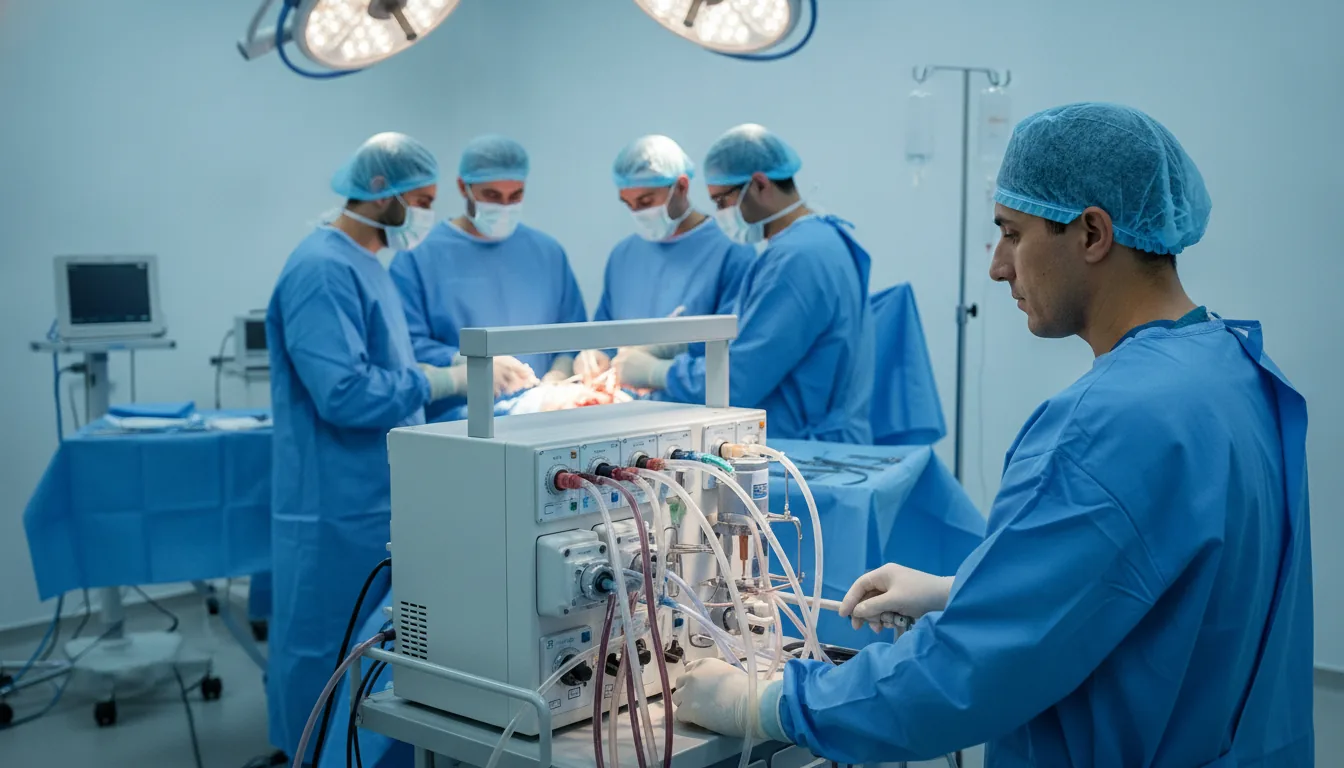
Cardiopulmonary bypass (CPB), also known as extracorporeal circulation, is a technique that allows the surgeon to operate on a still, bloodless heart. During the procedure, a specialised device called a heart-lung machine temporarily takes over the work of the heart and lungs: it keeps blood circulating through the body and oxygenates it, under the constant supervision of a dedicated perfusionist. This technique is essential for most so-called "open-heart" procedures: replacement or repair of heart valves, certain coronary artery bypass grafts, aortic surgery and correction of congenital malformations. It gives the surgeon optimal working conditions to perform highly precise manoeuvres. CPB is now a fully mastered technique, governed by rigorous protocols for protecting the heart and other organs. At the end of the procedure, the heart gradually resumes its activity and the machine is gently withdrawn. At Clinique Pasteur Tunis, surgery under CPB is performed in an operating theatre dedicated to cardiac surgery, by a seasoned team of surgeons, anaesthetists-intensivists and perfusionists. The patient is then admitted to the post-cardiac surgery intensive care unit for close monitoring.
Cardiac surgery under cardiopulmonary bypass (CPB)

When is it indicated?

Replacement or repair of heart valves

When a heart valve leaks or narrows, the surgeon needs to work on a still heart: the heart-lung machine maintains circulation throughout the procedure.

Coronary artery bypass grafts requiring a still heart

Some bypass grafts demand extreme precision: temporarily stopping the heart allows the vascular bridges to be sutured under the best possible conditions.

Thoracic aortic surgery

When the great artery leaving the heart is dilated or damaged, CPB makes it possible to replace it safely.

Correction of congenital heart disease

Repairing a heart malformation present from birth often requires opening the heart, which is only possible thanks to CPB.

Combined procedures (valve and bypass, for example)

When several cardiac problems are treated during the same operation, CPB provides the time and stability required.

Preparation

1Complete cardiac work-up (echocardiography, coronary angiography if necessary)
2Pre-operative blood tests and imaging
3Mandatory anaesthesia consultation
4Fast for 6 hours before the procedure
5Stopping or adjusting certain medications according to the doctor's instructions

Procedure

1

Reception and positioning in the operating theatre dedicated to cardiac surgery

2

General anaesthesia with full monitoring

3

Establishment of cardiopulmonary bypass under the perfusionist's supervision

4

Performance of the surgical procedure on a still heart

5

Gradual resumption of cardiac activity and weaning from CPB

6

Closure and transfer to the post-cardiac surgery intensive care unit

Duration

3 to 5 hours depending on the complexity of the procedure

Aftercare & Recovery

After a monitoring stay of 24 to 72 hours in the cardiac intensive care unit, the patient moves to an inpatient room. Recovery is gradual and supported by the care team, with a step-by-step return to activities over several weeks.

Risks and side effects

As with any major surgery, complications are possible but are the subject of rigorous prevention
Continuous monitoring in a dedicated intensive care unit during the first few days
Regular cardiology follow-up is organised after discharge

These risks remain rare. Your surgeon will inform you in detail before the procedure.

Request a Quote

Contact us to schedule a consultation or receive a personalized quote.

Request a Quote +216 36 402 000

At a glance

Duration: 3 to 5 hours depending on the complexity of the procedure
Preparation: Required
Dedicated specialist team