
Post-cancer reconstructive surgery
Surgeries/Cancer Surgery/Reconstruction

Post-cancer reconstructive surgery

Surgical reconstruction after cancer treatment, in particular breast reconstruction, to restore bodily integrity and quality of life.

What is it?

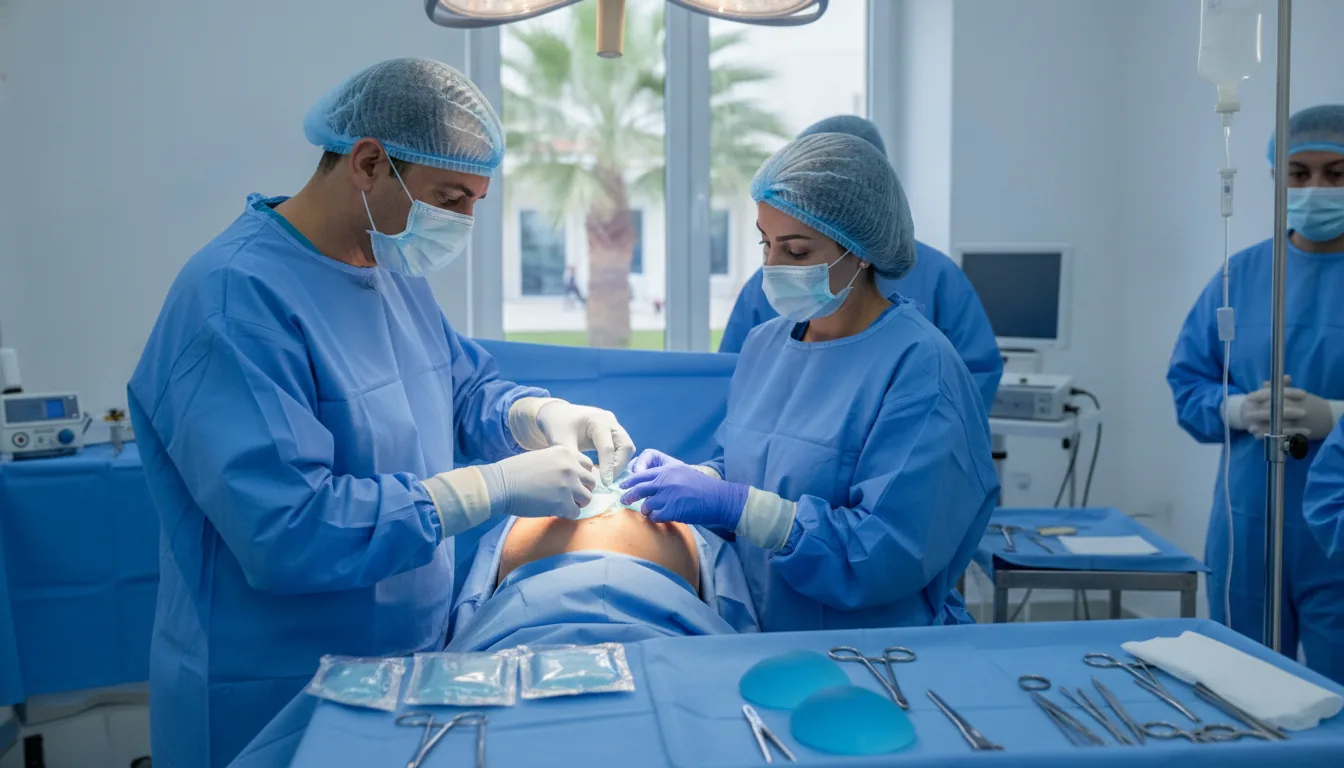
Reconstructive surgery is an integral part of the cancer care pathway. It aims to restore the shape and appearance of an operated area — the breast after mastectomy is the most frequent example — and makes an essential contribution to quality of life and to rebuilding one's self after the illness. Several techniques exist: reconstruction with an implant, reconstruction using the patient's own tissues (flaps), or combined techniques, complemented if needed by symmetrisation procedures and reconstruction of the areola. Reconstruction can be immediate, during the same operation as the removal, or delayed until after the end of treatment: this choice is discussed case by case with the team. At Clinique Pasteur Tunis, the reconstruction project is addressed from the outset of treatment planning, in consultation with the oncologist in order to choose the most appropriate timing. Patients receive complete information about the possible techniques and attentive support, step by step, through to the final result.
Post-cancer reconstructive surgery

When is it indicated?

Breast reconstruction after mastectomy, immediate or delayed

After removal of a breast, reconstruction can be performed during the same operation or later, once treatment is complete: the choice belongs to the patient, guided by the team.

Correction of the after-effects of breast-conserving treatment

A treated breast can sometimes show a deformity or asymmetry: corrective procedures make it possible to harmonise the result.

Reconstruction after surgery at other sites (chest wall, soft tissues)

When cancer treatment has required the removal of tissues elsewhere on the body, reconstructive techniques restore the shape and function of the operated area.

Symmetrisation of the opposite breast

For a harmonious result, a procedure on the other breast may be offered in order to balance the silhouette after the reconstruction.

Reconstruction of the areola and nipple at the end of the pathway

The final step in the pathway, this finishing touch restores the reconstructed breast's natural appearance and completes the restoration of body image.

Preparation

1Dedicated consultation to present the possible techniques and their stages
2Coordination with the oncologist to choose the right timing in relation to the treatments
3Pre-operative work-up and anaesthesia consultation
4Stopping smoking strongly advised to promote healing
5Fast for 6 hours before the procedure

Procedure

1

General anaesthesia

2

Reconstruction using the chosen technique: implant, autologous tissues or combined technique

3

Careful reshaping for a harmonious result

4

Additional procedures planned in stages if necessary (symmetrisation, areola)

5

Appropriate dressings and post-operative monitoring

6

Close follow-up of healing in consultation

Duration

1 to 5 hours depending on the technique

Aftercare & Recovery

The result becomes apparent gradually, as healing progresses and through any additional stages. Reconstruction makes an important contribution to well-being and restored confidence. The team remains available throughout the pathway to adjust and refine the result.

Risks and side effects

Delayed healing, made more likely by smoking, hence the importance of stopping
Haematoma or infection, uncommon and treated promptly
Capsular contracture or displacement in the case of an implant, correctable with further surgery
Possible need for additional stages to optimise the result, planned in the initial project

These risks remain rare. Your surgeon will inform you in detail before the procedure.

Request a Quote

Contact us to schedule a consultation or receive a personalized quote.

Request a Quote +216 36 402 000

At a glance

Duration: 1 to 5 hours depending on the technique
Preparation: Required
Dedicated specialist team