
Ambulatory blood pressure monitoring (ABPM)
Diagnostic Testing/Cardiac/Blood pressure Holter

Ambulatory blood pressure monitoring (ABPM)

Automatic, repeated measurement of blood pressure over 24 hours using a portable cuff, to assess the patient's daytime and nighttime blood pressure profile.

What is it?

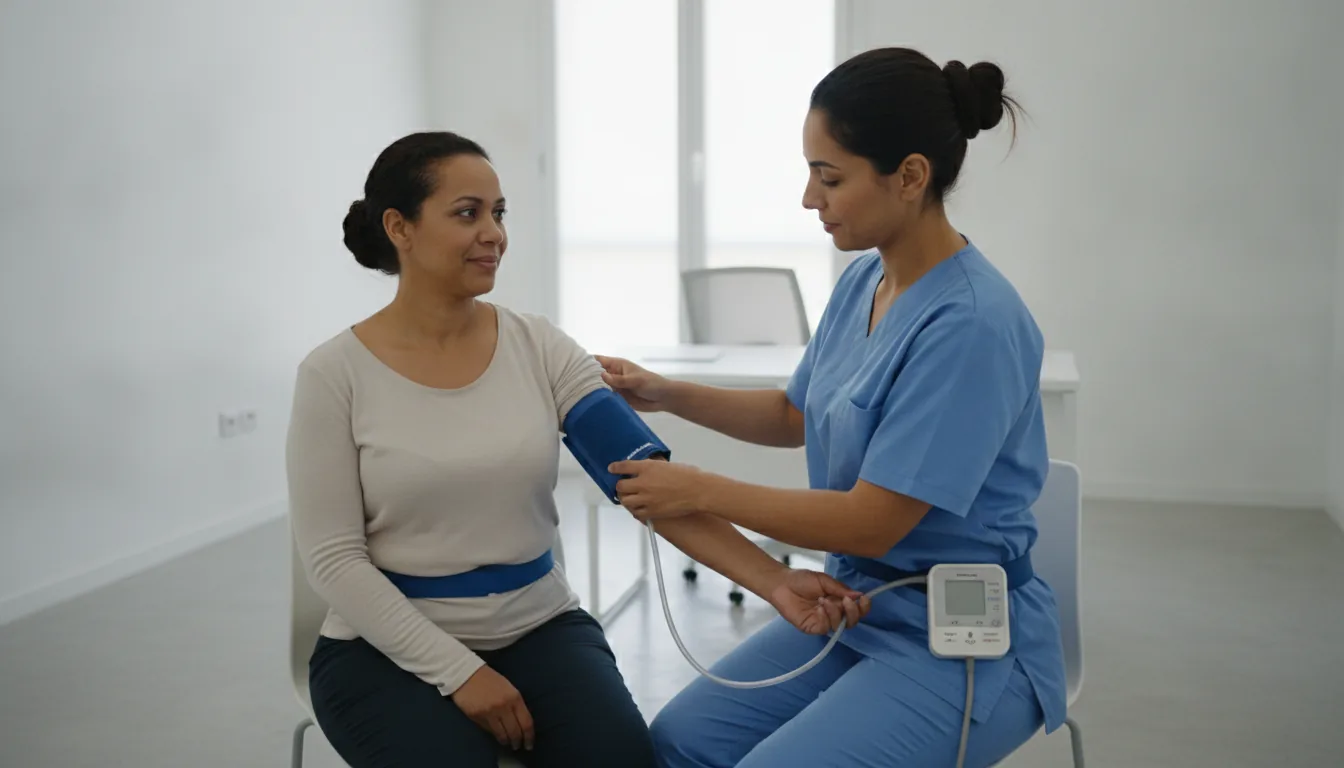
Blood pressure Holter monitoring, also known as ABPM (Ambulatory Blood Pressure Monitoring), is a test that measures blood pressure automatically and repeatedly over a 24-hour period. A cuff is placed on the patient's arm and connected to a small device that takes measurements at regular intervals, usually every 15 to 30 minutes during the day and every 30 to 60 minutes at night. This test is essential for obtaining a complete and reliable blood pressure profile, because blood pressure varies considerably throughout the day under the influence of physical activity, stress, sleep and many other factors. Unlike a one-off measurement at the doctor's office, ABPM provides dozens of measurements under the patient's real-life conditions. Blood pressure Holter monitoring is particularly useful for diagnosing "white coat" hypertension (blood pressure elevated only at the doctor's office) and masked hypertension (normal at the office but elevated elsewhere). It also assesses the nighttime blood pressure profile, an important parameter because the absence of a nocturnal dip in blood pressure ("non-dipper" profile) is associated with increased cardiovascular risk. At the Clinique Pasteur in Tunis, ABPM is performed with clinically validated devices that guarantee the reliability of the measurements. Computerized analysis provides daytime, nighttime and 24-hour averages, as well as detailed graphs interpreted by the cardiologist.
Ambulatory blood pressure monitoring (ABPM)

When is it prescribed?

Confirmation of the diagnosis of high blood pressure

Before concluding that true hypertension is present and starting long-term treatment, this recording checks that blood pressure really is high in everyday life.

Suspected "white coat" hypertension

In some people, blood pressure rises only from the stress of the consultation: measurement at home makes the distinction and avoids unnecessary treatment.

Suspected masked hypertension

Conversely, blood pressure may be normal at the doctor's office but high in daily life: only ambulatory recording can reveal this situation.

Assessment of the nighttime blood pressure profile

Blood pressure should normally fall during sleep; the device checks this nighttime behavior, which is important for assessing the health of the heart and blood vessels.

Checking the effectiveness of antihypertensive treatment

While on treatment for hypertension, the test confirms that blood pressure is well controlled at all hours of the day and night.

Treatment-resistant high blood pressure

When blood pressure remains high despite several medications, this comprehensive recording helps the doctor understand why and adjust the strategy.

Assessment of episodes of symptomatic low blood pressure

In cases of dizziness or weakness suggesting drops in blood pressure, the device can detect them at the precise moment the symptoms occur.

Blood pressure assessment in pregnant women

During pregnancy, reliable blood pressure monitoring is essential for mother and baby; this gentle, harmless test provides a complete profile.

Preparation

1Wear a garment with loose sleeves to make fitting the cuff easier
2Continue taking your usual medications unless your doctor advises otherwise
3Plan not to take a bath or shower during the 24 hours of recording
4Avoid intense sports activities during the recording
5Bring a list of your current treatments

How the exam is performed

1

A blood pressure cuff is fitted on the non-dominant arm

2

The cuff is connected to a recording device attached to the belt

3

The device is programmed to take regular automatic measurements

4

The patient receives a diary to note their activities, bedtime and wake-up time

5

Each time the cuff inflates, the patient must keep the arm still alongside the body

6

The patient goes home and continues their normal daily activities

7

After 24 hours, the patient returns to the clinic to have the device removed

8

The data is transferred to a computer and analyzed

Duration

24 hours of recording; fitting and removal: 10 minutes each

Results

Results are available within 24 to 48 hours. A full report with averages, graphs and interpretation is given to the patient or sent to the prescribing physician.

Risks and side effects

Discomfort due to repeated inflation of the cuff, especially at night
Slight discomfort or temporary numbness of the arm during measurements
Minor skin irritation under the cuff (rare)

These risks remain rare. Your physician will explain them in detail before the exam.

Book an Appointment

Contact us to schedule your Blood pressure Holter or request a quote.

Request a Quote +216 36 402 000

At a glance

Duration: 24 hours of recording; fitting and removal: 10 minutes each
Preparation: Required
Book an appointment