
Cerebral vascular malformation surgery
Surgeries/Neurosurgery/Vascular malformations

Cerebral vascular malformation surgery

Surgical treatment of brain aneurysms, arteriovenous malformations and cavernomas, decided in multidisciplinary consultation.

What is it?

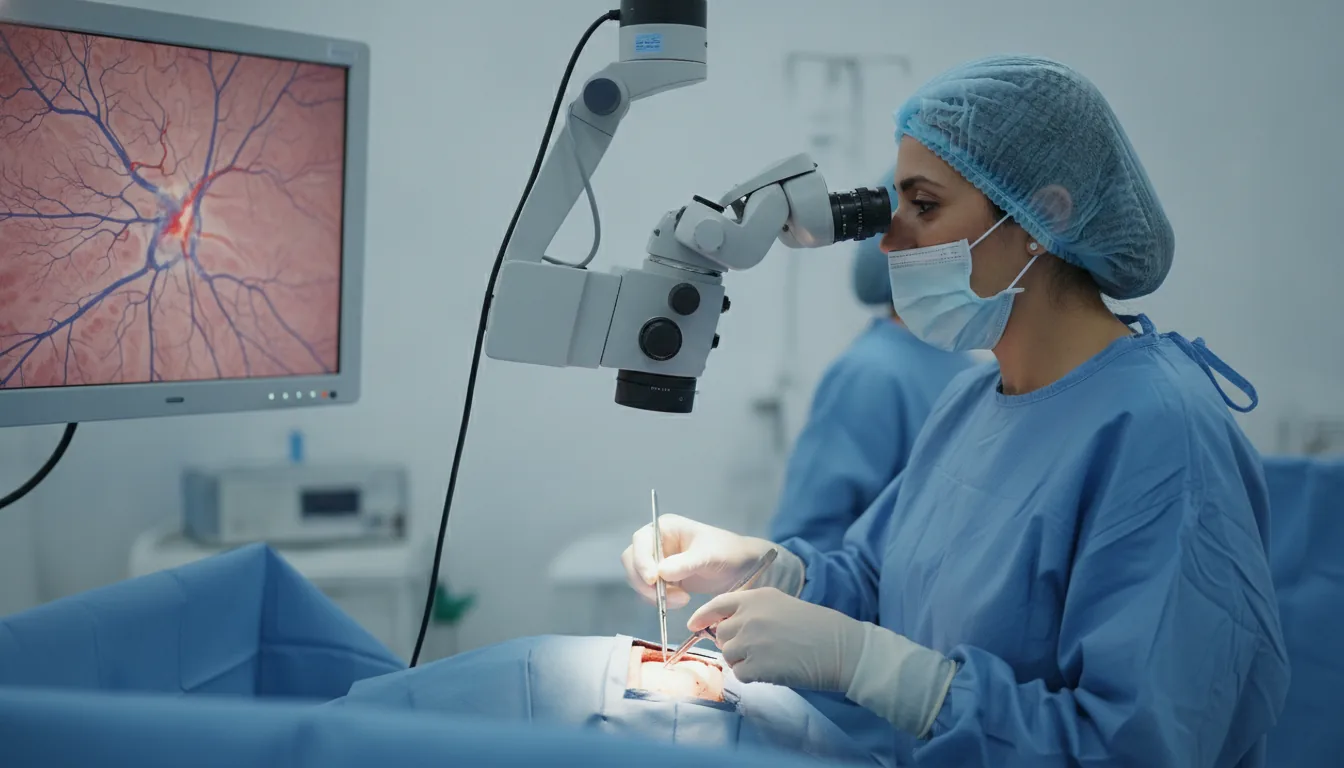
Cerebral vascular malformations encompass several abnormalities of the brain's blood vessels: aneurysms (dilation of an artery), arteriovenous malformations (abnormal communication between arteries and veins) and cavernomas (clusters of small fragile vessels). Discovered after a bleed or incidentally during imaging, they require specialized evaluation. Treatment depends on the type of malformation, its location and its history: some require simple monitoring, others endovascular treatment, and others surgery. The decision is always made in multidisciplinary consultation, on a case-by-case basis, carefully weighing the benefit and risk of each option. When surgery is chosen, it is performed under the operating microscope with the help of neuronavigation: exclusion of an aneurysm by placing a clip, removal of a cavernoma or of an accessible arteriovenous malformation. Neurophysiological monitoring secures the procedure in functional areas. At Clinique Pasteur Tunis, this highly specialized surgery benefits from a state-of-the-art technical platform — neurosurgical microscope, neuronavigation, high-resolution imaging — and a dedicated multipurpose intensive care unit that closely supervises the post-operative course.
Cerebral vascular malformation surgery

When is it indicated?

Brain aneurysm requiring preventive treatment or treatment after a bleed

An aneurysm is a small fragile pouch on an artery of the brain. Treating it removes the risk of bleeding, or prevents a recurrence when a bleed has already occurred.

Symptomatic or at-risk arteriovenous malformation

This abnormal communication between arteries and veins can cause headaches, seizures or bleeding. Its treatment is decided case by case by a multidisciplinary team.

Cavernoma causing epileptic seizures or bleeding

A cavernoma is a cluster of small fragile vessels. When it bleeds or triggers epileptic seizures, its surgical removal may be recommended.

Vascular malformation discovered during a work-up and judged at risk in multidisciplinary consultation

Some malformations discovered by chance require only monitoring; others, judged at risk after team discussion, benefit from preventive treatment.

Preparation

1Complete vascular imaging (CT angiography, MR angiography, arteriography as appropriate)
2Multidisciplinary consultation to choose the best strategy
3Complete pre-operative work-up and anesthesia consultation
4Adjustment of ongoing treatments
5Fasting for 6 hours before the operation

Procedure

1

General anesthesia with enhanced monitoring

2

Targeted craniotomy planned with neuronavigation

3

Treatment of the malformation under the microscope (aneurysm clipping, removal)

4

Neurophysiological monitoring in functional areas

5

Verification of the complete exclusion of the malformation

6

Careful closure and monitoring in intensive care

Duration

3 to 6 hours

Aftercare & Recovery

Follow-up imaging verifies the complete exclusion of the malformation. Initial monitoring takes place in intensive care, then recovery continues on the ward with, if needed, tailored rehabilitation. Long-term follow-up in consultation, with imaging, is then organized.

Risks and side effects

Temporary fatigue and headaches
Neurological deficit, the risk of which is assessed and explained before the operation
Vasospasm after some aneurysm surgeries, closely monitored in intensive care
Epileptic seizures, prevented by appropriate treatment

These risks remain rare. Your surgeon will inform you in detail before the procedure.

Request a Quote

Contact us to schedule a consultation or receive a personalized quote.

Request a Quote +216 36 402 000

At a glance

Duration: 3 to 6 hours
Preparation: Required
Dedicated specialist team