
Thyroid and parathyroid surgery
Surgeries/ENT/Thyroid & parathyroids

Thyroid and parathyroid surgery

Partial or total removal of the thyroid gland and surgery of the parathyroid glands, performed with monitoring of the voice nerves for optimal safety.

What is it?

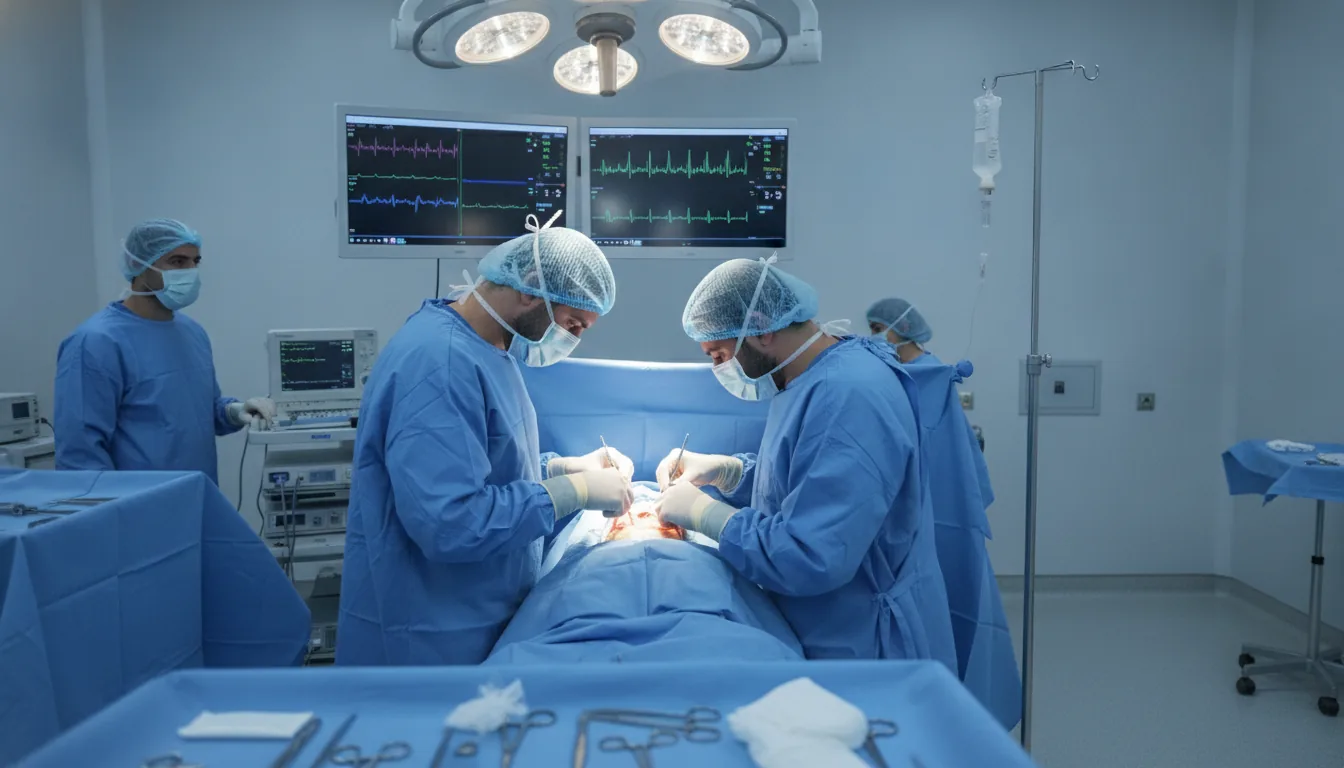
Thyroidectomy is the surgical removal of the thyroid gland, in whole or in part (lobectomy). It is indicated in cases of suspicious or large nodules, compressive goitre, hyperthyroidism resistant to medical treatment or thyroid cancer. The procedure is performed through a discreet horizontal incision at the base of the neck, placed in a natural skin fold. The surgeon pays particular attention to two essential structures: the recurrent laryngeal nerves, which control the vocal cords, and the parathyroid glands, which regulate calcium. Intraoperative nerve monitoring secures their preservation. After a total thyroidectomy, a daily hormone replacement treatment simply takes over the function of the gland: it allows a perfectly normal life, with regular blood-test follow-up. At Clinique Pasteur Tunis, thyroidectomy is performed by surgeons experienced in neck surgery, with nerve monitoring, as part of care coordinated with the clinic's endocrinologists.
Thyroid and parathyroid surgery

When is it indicated?

Suspicious thyroid nodule or one whose nature must be determined

When a thyroid nodule appears suspicious or remains indeterminate despite the work-up, its removal allows a complete and reliable analysis.

Large or compressive goitre (difficulty swallowing or breathing)

An oversized thyroid can compress the throat and make swallowing or breathing difficult; its removal eliminates this compression.

Hyperthyroidism resistant to medical treatment

When the gland produces too many hormones despite medication, surgery offers a definitive solution to this thyroid overactivity.

Confirmed or strongly suspected thyroid cancer

Removal of the gland is the standard treatment; when managed early, this disease offers very good prospects of cure in most forms.

Hyperparathyroidism with confirmed excess calcium

When a parathyroid gland overworks and raises the blood calcium level, causing fatigue and bone fragility, its targeted removal durably normalises the situation.

Preparation

1Thyroid hormone work-up and a recent neck ultrasound
2Fine-needle aspiration of suspicious nodules if indicated
3Prior hormonal stabilisation in the event of hyperthyroidism
4Anaesthesia consultation
5Fast for 6 hours before the procedure

Procedure

1

General anaesthesia

2

Discreet horizontal incision at the base of the neck

3

Identification and preservation of the voice nerves under monitoring

4

Careful preservation of the parathyroid glands

5

Removal of one lobe or the entire gland depending on the indication

6

Aesthetic closure with a discreet suture

7

Post-operative monitoring of the voice and blood calcium

Duration

1 to 2 hours 30

Aftercare & Recovery

The hospital stay generally lasts one to two days. The voice and the calcium level are checked before discharge. In the case of a total thyroidectomy, a daily hormone treatment is started and adjusted during follow-up. The scar, placed in a neck fold, becomes very discreet over time.

Risks and side effects

Transient voice change, resolving in the vast majority of cases
Temporary drop in blood calcium, corrected by a temporary treatment
Early neck haematoma, prevented by close monitoring

These risks remain rare. Your surgeon will inform you in detail before the procedure.

Request a Quote

Contact us to schedule a consultation or receive a personalized quote.

Request a Quote +216 36 402 000

At a glance

Duration: 1 to 2 hours 30
Preparation: Required
Dedicated specialist team