
Septoplasty (deviated nasal septum)
Surgeries/ENT/Septoplasty

Septoplasty (deviated nasal septum)

Surgical correction of a deviated nasal septum to restore comfortable nasal breathing.

What is it?

The nasal septum separates the two nasal passages. When it is deviated — from birth or following an injury — it can obstruct airflow and cause chronic nasal obstruction, snoring, recurrent sinusitis or headaches. Septoplasty is the operation that corrects this deviation. It is performed entirely from inside the nostrils, with no visible scar and no change to the shape of the nose. The surgeon straightens the septum by reshaping the deviated cartilage and bone, while preserving the strength of the nasal structure. It is a functional surgery whose goal is respiratory comfort. If necessary, it can be combined with a procedure on the turbinates (internal structures of the nose) to optimise the result. At Clinique Pasteur Tunis, septoplasty is performed by experienced ENT surgeons, as part of a short hospital stay, with attentive support during recovery.
Septoplasty (deviated nasal septum)

When is it indicated?

Chronic nasal obstruction caused by a deviated septum

When the nose remains permanently blocked because of a deviated septum, straightening it restores normal airflow on both sides.

Snoring worsened by poor nasal ventilation

A nose that breathes poorly encourages snoring; improving nasal ventilation contributes to calmer nights.

Recurrent sinusitis sustained by the deviation

A deviated septum can prevent the sinuses from draining properly and sustain infections; correcting it helps prevent them.

Recurrent nosebleeds on the deviated side

Poor airflow on the deviated side dries out and weakens the mucous membrane; straightening the septum reduces these repeated bleeds.

Breathing difficulty on exertion

When breath through the nose runs short as soon as you walk fast or play sport, the operation restores true respiratory comfort during exertion.

Preparation

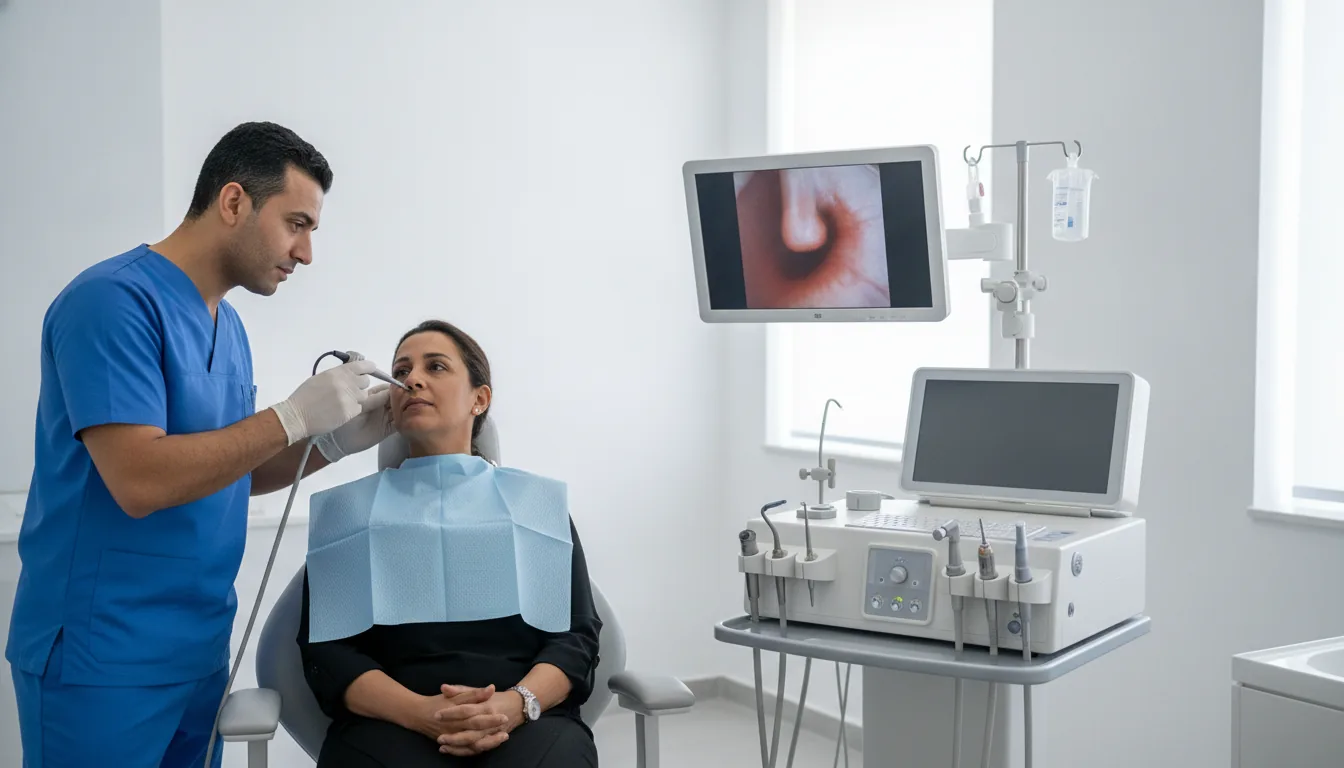
1ENT consultation with endoscopic examination of the nasal passages
2Anaesthesia consultation
3Fast for 6 hours before the procedure
4Stopping smoking recommended before and after the procedure

Procedure

1

General anaesthesia

2

Discreet incision inside the nostril, invisible from the outside

3

Straightening of the septum by reshaping the deviated cartilage and bone

4

Possible additional procedure on the turbinates

5

Placement of small temporary splints or nasal packing

6

Monitoring, then return to the room

Duration

45 minutes to 1 hour 30

Aftercare & Recovery

Discharge takes place the same day or the following day. The nose remains blocked for a few days, until the swelling subsides and any packing is removed. Breathing then improves gradually, with the result stabilising within a few weeks.

Risks and side effects

Transient nasal obstruction due to post-operative swelling
Minor bleeding in the first few days
Temporary nasal dryness or crusting, relieved by rinses

These risks remain rare. Your surgeon will inform you in detail before the procedure.

Request a Quote

Contact us to schedule a consultation or receive a personalized quote.

Request a Quote +216 36 402 000

At a glance

Duration: 45 minutes to 1 hour 30
Preparation: Required
Dedicated specialist team