
Sinus surgery (chronic sinusitis)
Surgeries/ENT/Sinus surgery

Sinus surgery (chronic sinusitis)

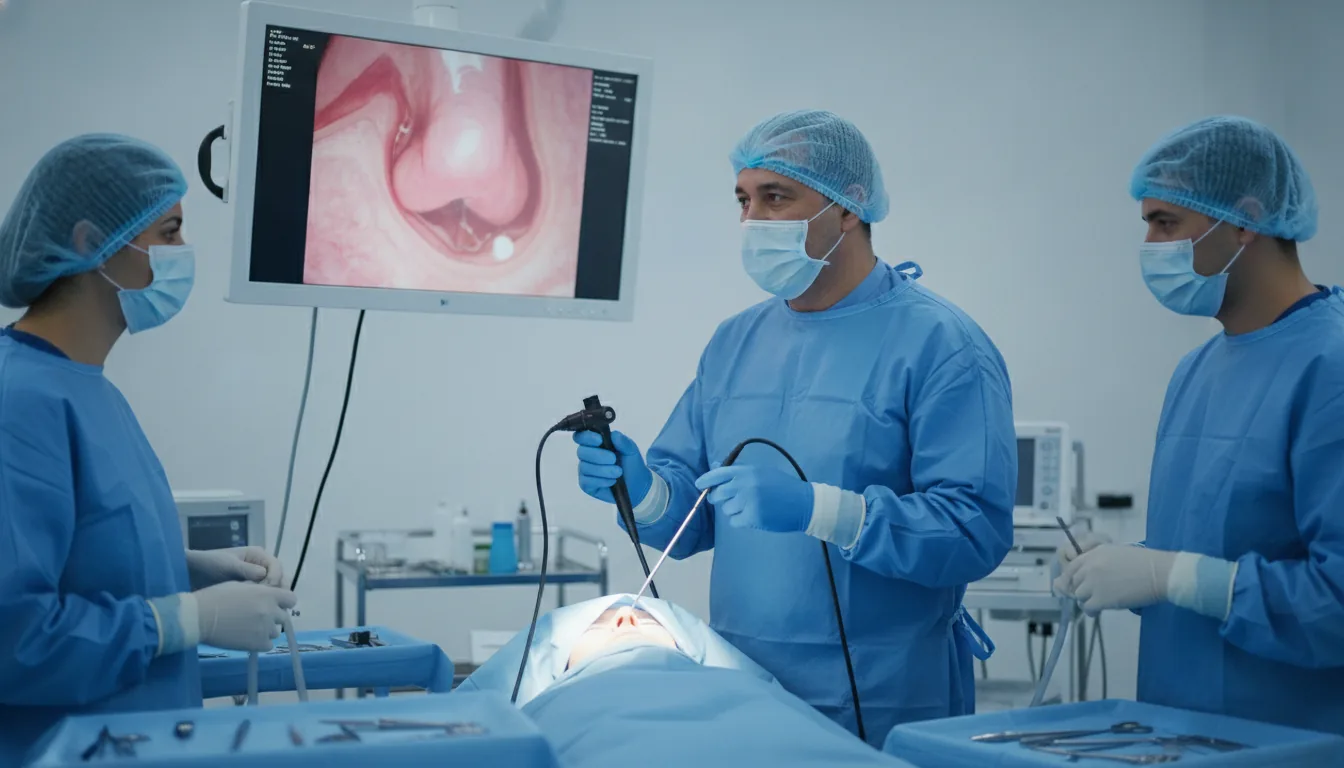
Endoscopic surgical treatment of chronic sinusitis and polyps, performed through the natural passages without any scar.

What is it?

Chronic sinusitis presents as persistent nasal obstruction, discharge, facial heaviness and sometimes loss of smell. When medical treatments (rinses, local corticosteroids, antibiotics) are no longer sufficient, sinus surgery may be recommended. The procedure is performed endoscopically, entirely through the nostrils, with no incision on the face. Using a high-definition endoscope and fine instruments, the surgeon opens the blocked sinus cavities, removes any polyps and restores normal ventilation and drainage of the sinuses. This functional surgery preserves healthy nasal structures as much as possible. It is followed by simple local care (nasal rinses) which contributes greatly to the quality of the result. At Clinique Pasteur Tunis, sinus surgery benefits from high-definition endoscopic equipment and the expertise of ENT surgeons highly skilled in minimally invasive techniques, for lasting respiratory comfort.
Sinus surgery (chronic sinusitis)

When is it indicated?

Chronic sinusitis resistant to medical treatment

When the nose remains blocked and the face feels heavy despite rinses and medication, surgery reopens the sinuses for lasting relief.

Troublesome nasal polyposis

Polyps are benign growths that block the nose and often cause loss of smell; their removal restores the airflow.

Recurrent acute sinusitis

When episodes of sinusitis follow one another throughout the year, opening the blocked sinuses helps break this cycle of infections.

Sinusitis of dental or fungal origin

Some sinusitis cases originate from a tooth or a fungus lodged in the sinus; surgery removes the cause and cleans the cavity.

Symptomatic mucocele or sinus cyst

A pocket of secretions or a cyst can develop in a sinus and cause pain or heaviness; its removal through the nostrils makes the discomfort disappear.

Preparation

1Recent sinus CT scan, essential to guide the surgeon
2Preparatory medical treatment sometimes prescribed before the procedure
3Anaesthesia consultation
4Fast for 6 hours before the procedure
5Stopping smoking strongly recommended

Procedure

1

General anaesthesia

2

Insertion of the endoscope through the nostrils, with no external incision

3

Opening of the blocked sinuses and removal of any polyps

4

Restoration of the natural drainage of the sinuses

5

Possible placement of small temporary nasal packing

6

Monitoring in the recovery room, then return to the room

Duration

1 to 2 hours

Aftercare & Recovery

Discharge takes place the same day or the following day. Nasal obstruction and slight bleeding are normal in the first few days. Regular nasal rinses are essential during recovery. Respiratory comfort gradually sets in over the weeks.

Risks and side effects

Mild nasal bleeding in the first few days
Transient nasal crusting requiring regular rinses
Possible long-term recurrence of polyps, monitored at follow-up consultations

These risks remain rare. Your surgeon will inform you in detail before the procedure.

Request a Quote

Contact us to schedule a consultation or receive a personalized quote.

Request a Quote +216 36 402 000

At a glance

Duration: 1 to 2 hours
Preparation: Required
Dedicated specialist team