
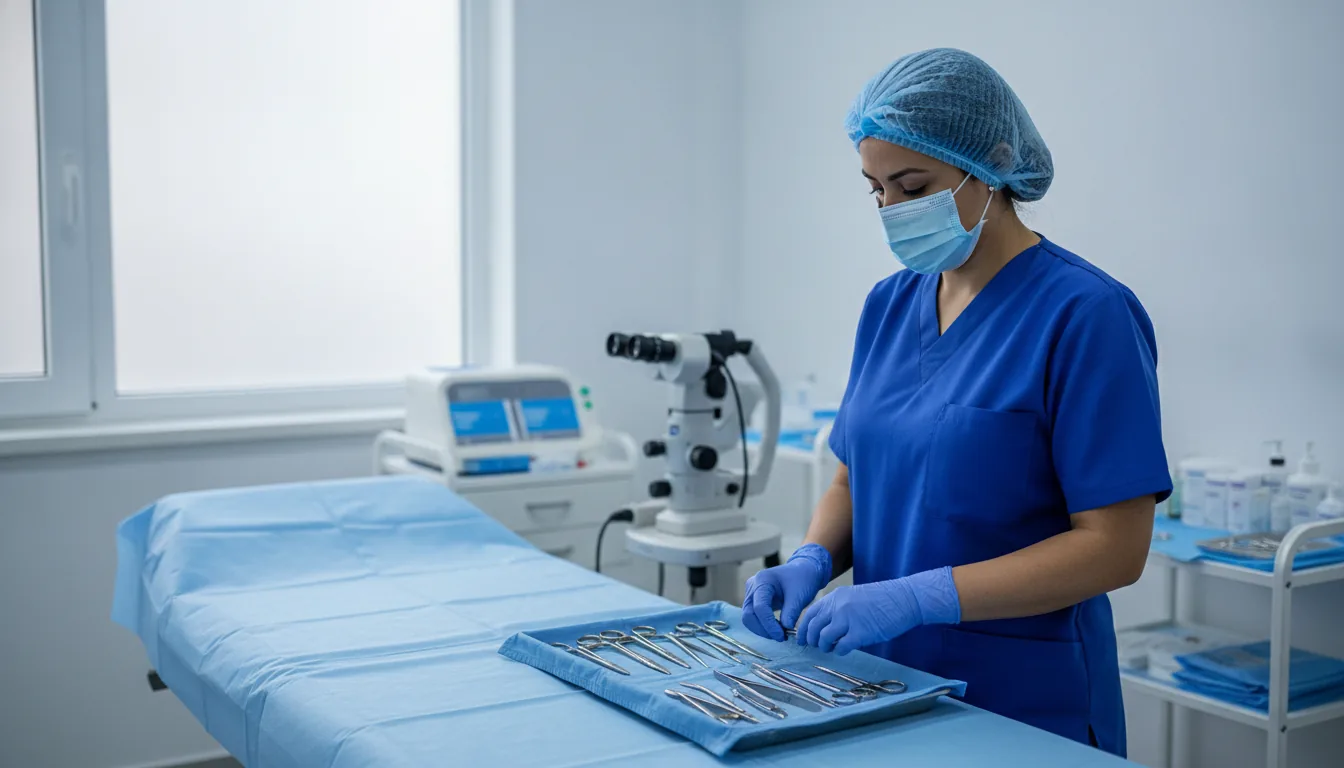
Cervical conization

Cervical conization

Removal of a fragment of the cervix to treat precancerous lesions detected by smear test, while preserving fertility.

What is it?

Conization consists of removing a small, cone-shaped fragment of the cervix in order to treat precancerous lesions detected during a smear test and then confirmed by colposcopy and biopsy. It is an essential preventive procedure: by removing the area carrying the lesions, it prevents their possible progression to cervical cancer. The procedure is performed through the natural passages, without any incision, most often with a diathermy loop, under short-duration anesthesia. It is brief and performed as a day-case procedure: the patient goes home the same day. The removed fragment is analyzed in its entirety, which makes it possible to verify that the lesions have been completely removed. Conization preserves fertility: pregnancies remain possible after the procedure. The gynecologist takes this into account in the technique used, removing the necessary tissue while preserving as much of the length of the cervix as possible, and adapts the monitoring of subsequent pregnancies if needed. At Clinique Pasteur Tunis, conization is part of a complete pathway for the screening and follow-up of cervical lesions, coordinated by the establishment's gynecologists. A smear-test surveillance schedule is established after the procedure to ensure lasting recovery.
Cervical conization

When is it indicated?

Precancerous lesions of the cervix confirmed by biopsy

Removing the small area of the cervix carrying abnormal cells prevents their possible progression to cancer: it is an essential preventive procedure.

Persistent smear-test abnormalities requiring treatment

When the smear test remains abnormal over successive checks, conization treats the affected area and restores peace of mind.

Discrepancy between smear test, colposcopy and biopsy requiring complete analysis

When the examinations do not agree with one another, removing and then fully analyzing the fragment of the cervix provides a clear and reliable answer.

Lesion located within the cervical canal that cannot be monitored

When the lesion lies inside the cervical canal, where it is difficult to monitor with the usual examinations, its removal is the safest solution.

Preparation

1Prior colposcopy and biopsies confirming the indication
2Pre-anesthesia consultation
3Fast for 6 hours before the procedure if general anesthesia is used
4Schedule the procedure outside menstruation
5Report current medications

Procedure

1

Admission as a day-case patient

2

Appropriate short-duration anesthesia

3

Exposure of the cervix through the natural passages

4

Removal of the cone-shaped fragment with a diathermy loop

5

Careful control of any bleeding

6

Monitoring for a few hours, then return home

Duration

15 to 30 minutes for the procedure; half a day at the clinic

Aftercare & Recovery

Recovery is straightforward: light bleeding or discharge may last a few weeks while the cervix heals. It is advisable to avoid intercourse, baths and tampons for the period indicated by the surgeon. The result of the analysis is explained at a consultation and a smear-test surveillance schedule is put in place. Fertility is preserved.

Risks and side effects

A brief and very well-standardized procedure
Moderate bleeding is possible during healing, rarely requiring medical advice
Regular smear-test follow-up is essential after the procedure to confirm lasting recovery

These risks remain rare. Your surgeon will inform you in detail before the procedure.

Request a Quote

Contact us to schedule a consultation or receive a personalized quote.

Request a Quote +216 36 402 000

At a glance

Duration: 15 to 30 minutes for the procedure; half a day at the clinic
Preparation: Required
Dedicated specialist team