
Sleeve gastrectomy

Sleeve gastrectomy

Laparoscopic obesity surgery reducing the volume of the stomach, as part of a complete and supervised medical pathway.

What is it?

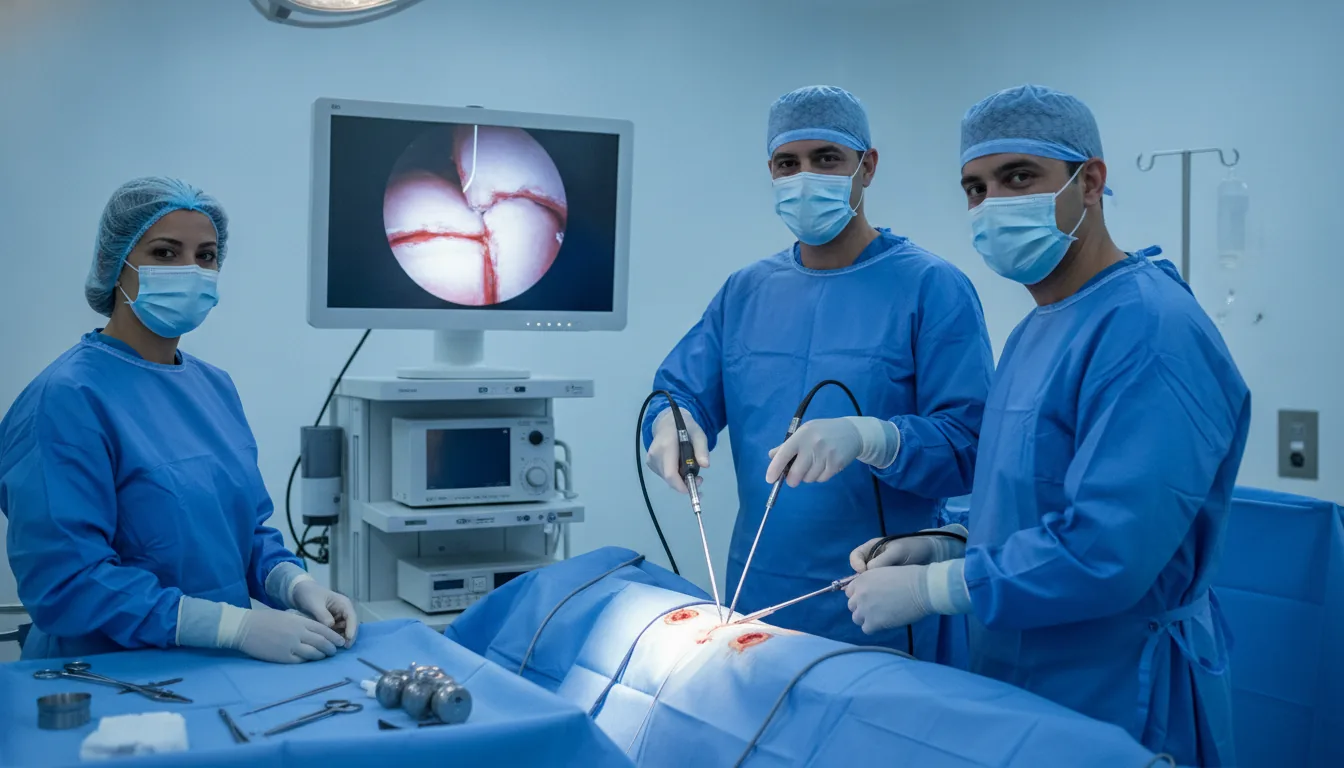
Sleeve gastrectomy (longitudinal gastrectomy) is an obesity surgery procedure that involves removing a large part of the stomach to give it the shape of a tube. The feeling of fullness therefore occurs more quickly, and the reduction in certain hunger hormones also contributes to weight loss. This procedure is part of a genuine care pathway: prior medical, nutritional and psychological assessment, complete patient information, followed by regular follow-up after the operation. It is intended for people with significant obesity, after failure of well-conducted medical measures, and the decision is always made collegially. Performed by laparoscopy, the sleeve leaves discreet scars and allows rapid recovery. At Clinique Pasteur Tunis, bariatric surgery is supervised by a multidisciplinary team — surgeon, anaesthetist, nutritionist — who support each patient before and after the procedure, over the long term.
Sleeve gastrectomy

When is it indicated?

Significant obesity after failure of well-conducted medical and dietary management

When diets and medical follow-up have not achieved lasting weight loss, the sleeve offers effective help as part of a supervised pathway.

Obesity associated with complications such as diabetes, hypertension or sleep apnoea

The weight loss achieved often markedly improves these associated diseases, sometimes from the very first months.

Patients assessed and approved by a multidisciplinary team

The decision is always made collectively by several specialists, after a complete evaluation of each situation.

Motivation to commit to long-term medical and nutritional follow-up

Success relies on lasting support after the operation: the patient's commitment is essential.

Preparation

1Multidisciplinary assessment: surgeon, nutritionist, anaesthetist and, if needed, other specialists
2Complete work-up: blood tests, upper digestive endoscopy and imaging if necessary
3Personalised nutritional preparation before the procedure
4Anaesthesia consultation
5Fasting for 6 hours before the procedure

Procedure

1

General anaesthesia

2

Introduction of the camera and instruments through small incisions

3

Calibration of the stomach over a guiding tube

4

Division and stapling of the greater curvature of the stomach

5

Checking that the staple line is leak-proof

6

Closure of the incisions and close post-operative monitoring

Duration

1 to 2 hours

Aftercare & Recovery

Weight loss develops gradually over the months following the procedure, most often accompanied by an improvement in obesity-related complications. The return to eating follows a gradual protocol supervised by the team, and regular medical and nutritional follow-up is essential over the long term.

Risks and side effects

Leak along the staple line, a rare complication monitored closely
Gastro-oesophageal reflux that may appear or worsen
Nutritional deficiencies prevented by supplementation and follow-up
Risks inherent to any abdominal surgery, reduced by the laparoscopic approach

These risks remain rare. Your surgeon will inform you in detail before the procedure.

Request a Quote

Contact us to schedule a consultation or receive a personalized quote.

Request a Quote +216 36 402 000

At a glance

Duration: 1 to 2 hours
Preparation: Required
Dedicated specialist team