
Laparoscopic cholecystectomy
Surgeries/Laparoscopic/Cholecystectomy

Laparoscopic cholecystectomy

Removal of the gallbladder by laparoscopy, the gold-standard technique for treating symptomatic gallstones.

What is it?

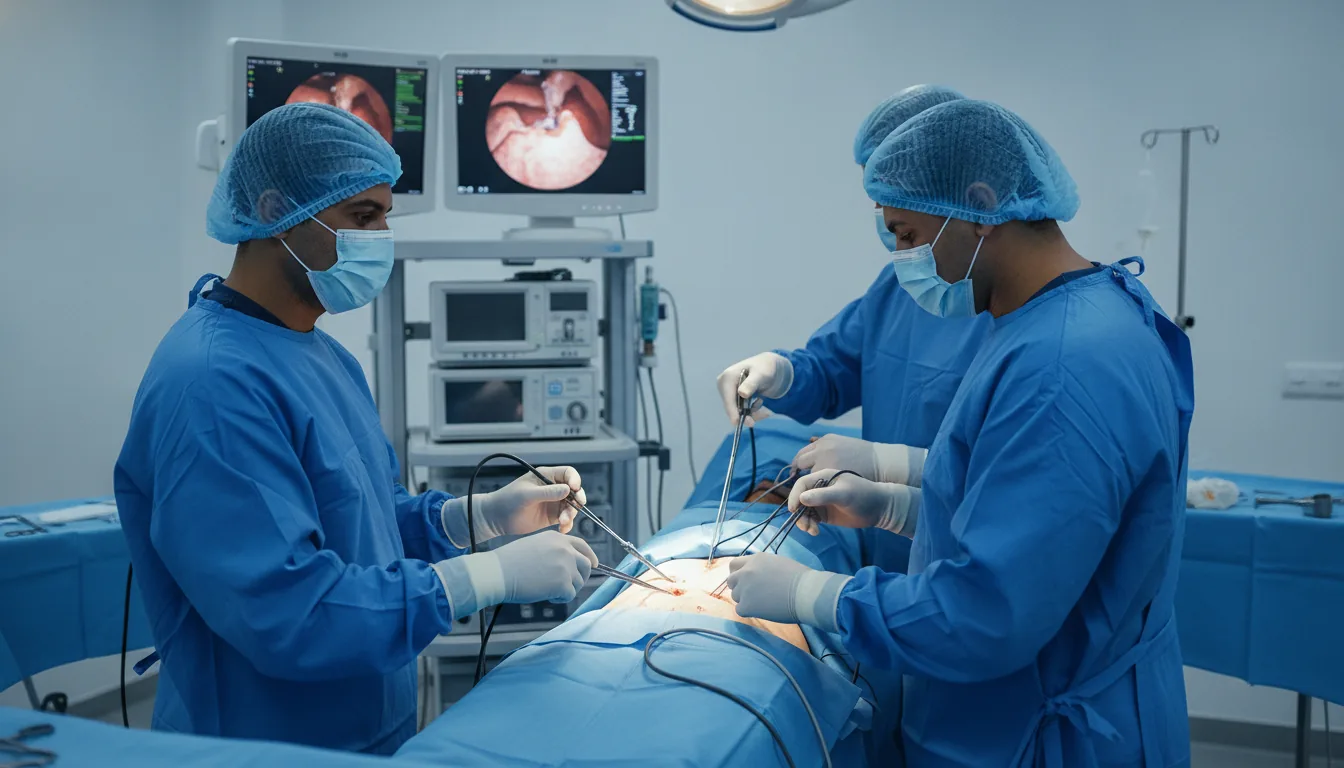
Laparoscopic cholecystectomy is the removal of the gallbladder through small abdominal incisions, using a camera and fine instruments. It is now the gold-standard technique for treating gallstones when they cause pain or complications. The procedure is performed under general anaesthesia: the gallbladder is carefully detached from the liver and then removed through one of the small incisions. The absence of the gallbladder does not impair digestion, as bile flows directly from the liver to the intestine. At Clinique Pasteur Tunis, this procedure is performed in operating theatres equipped with high-definition laparoscopy towers, by experienced digestive surgeons. The hospital stay is short, most often limited to one night, and the return to normal activities is rapid.
Laparoscopic cholecystectomy

When is it indicated?

Gallstones causing biliary colic

When stones in the gallbladder cause painful attacks under the ribs, removing the gallbladder prevents them from recurring.

Acute or chronic cholecystitis

When the gallbladder becomes inflamed because of stones, its removal treats the infection and prevents recurrences.

History of pancreatitis of biliary origin

After inflammation of the pancreas caused by a stone, removing the gallbladder prevents a new episode from occurring.

Stone migration into the main bile duct, after treatment of the latter

When a stone has already migrated into the bile duct, removing the gallbladder prevents other stones from following the same path.

Symptomatic non-functioning gallbladder

A gallbladder that no longer fulfils its role and causes digestive problems can be removed without any consequence for digestion.

Preparation

1Pre-operative work-up: blood tests and abdominal ultrasound
2Anaesthesia consultation
3Fasting for 6 hours before the procedure
4Adjustment of anticoagulant treatments according to medical advice
5Pre-operative shower according to the instructions provided

Procedure

1

General anaesthesia

2

Creation of a working space by insufflating gas into the abdomen

3

Introduction of the camera and instruments through small incisions

4

Careful dissection of the cystic duct and artery of the gallbladder

5

Removal of the gallbladder and extraction through a small incision

6

Check for absence of bleeding and closure of the incisions

Duration

45 minutes to 1 hour 30

Aftercare & Recovery

Recovery is generally straightforward: discharge the next day in most cases, moderate pain controlled by usual painkillers and a return to normal activities within a few days. No special long-term diet is necessary.

Risks and side effects

Transient shoulder pain related to the insufflation gas
Haematoma or infection of the incisions, rare
Conversion to open surgery if local conditions require it, decided in the patient's best interest

These risks remain rare. Your surgeon will inform you in detail before the procedure.

Request a Quote

Contact us to schedule a consultation or receive a personalized quote.

Request a Quote +216 36 402 000

At a glance

Duration: 45 minutes to 1 hour 30
Preparation: Required
Dedicated specialist team