
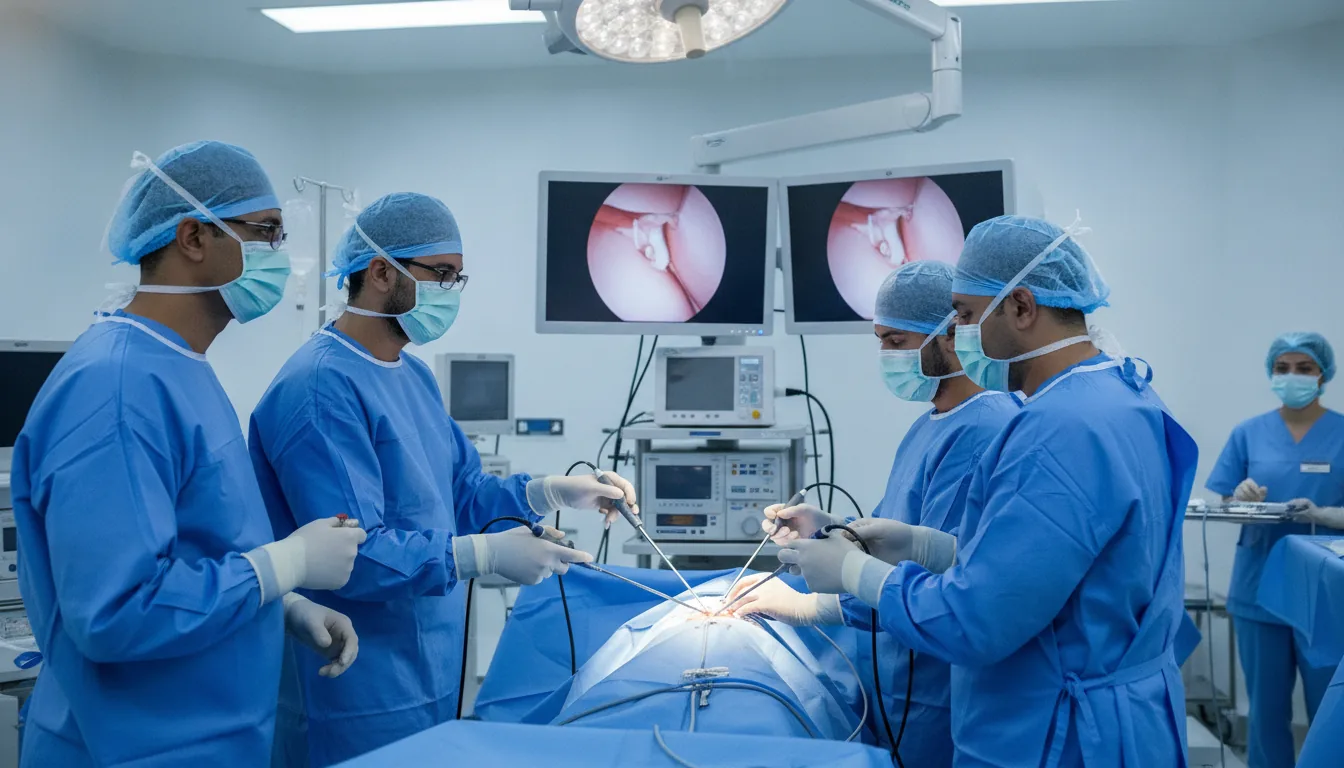
Gastric bypass

Gastric bypass

Laparoscopic obesity surgery creating a gastric bypass, particularly effective on weight and associated diabetes.

What is it?

Gastric bypass is an obesity surgery procedure that combines the creation of a small gastric pouch with the bypassing of part of the intestine. Food thus travels along a shortened circuit: the amount eaten decreases and absorption is modified, which promotes lasting weight loss. This technique is particularly valuable in patients with type 2 diabetes or gastro-oesophageal reflux associated with obesity, on which it often has a favourable effect. Like all bariatric surgery, it is part of a complete pathway: multidisciplinary assessment, preparation, then long-term medical and nutritional follow-up with vitamin supplementation. At Clinique Pasteur Tunis, gastric bypass is performed by laparoscopy, by a team experienced in bariatric surgery, with attentive post-operative monitoring and personalised nutritional support over the long term.
Gastric bypass

When is it indicated?

Significant obesity after failure of well-conducted medical measures

When medical management has not achieved lasting weight loss, the bypass is an effective surgical solution.

Obesity associated with type 2 diabetes

The bypass often has a very favourable effect on diabetes, whose control frequently improves after the procedure.

Significant gastro-oesophageal reflux associated with obesity

Acid reflux is often markedly improved by this configuration, which makes it an advantage over other techniques.

Particular situations discussed in multidisciplinary team meetings

Each case is examined by several specialists who together choose the most suitable technique.

Patients ready to commit to long-term follow-up and supplementation

After a bypass, vitamins and regular follow-up are necessary for life: this commitment is part of the care plan.

Preparation

1Complete multidisciplinary assessment (surgeon, nutritionist, anaesthetist)
2Pre-operative work-up: blood tests, upper digestive endoscopy, imaging if necessary
3Personalised nutritional preparation
4Anaesthesia consultation
5Fasting for 6 hours before the procedure

Procedure

1

General anaesthesia

2

Laparoscopic approach through small incisions

3

Creation of a small gastric pouch

4

Construction of the intestinal bypass and creation of the anastomoses

5

Checking that the sutures are leak-proof

6

Closure of the incisions and close monitoring

Duration

2 to 3 hours

Aftercare & Recovery

Weight loss is gradual and lasting, frequently with a marked improvement in diabetes and reflux. The return to eating follows a step-by-step protocol, and regular follow-up with vitamin supplementation is essential for life to prevent deficiencies.

Risks and side effects

Leak or breakdown of an anastomosis, a rare complication monitored closely
Nutritional deficiencies prevented by supplementation and follow-up
Digestive discomfort after sugary or overly large meals (dumping), prevented by dietary advice
Late intestinal obstruction, rare, warranting consultation in case of unusual pain

These risks remain rare. Your surgeon will inform you in detail before the procedure.

Request a Quote

Contact us to schedule a consultation or receive a personalized quote.

Request a Quote +216 36 402 000

At a glance

Duration: 2 to 3 hours
Preparation: Required
Dedicated specialist team