
Laparoscopic hysterectomy
Surgeries/Laparoscopic/Hysterectomy

Laparoscopic hysterectomy

Removal of the uterus by laparoscopy for benign gynaecological conditions or certain lesions, with faster recovery.

What is it?

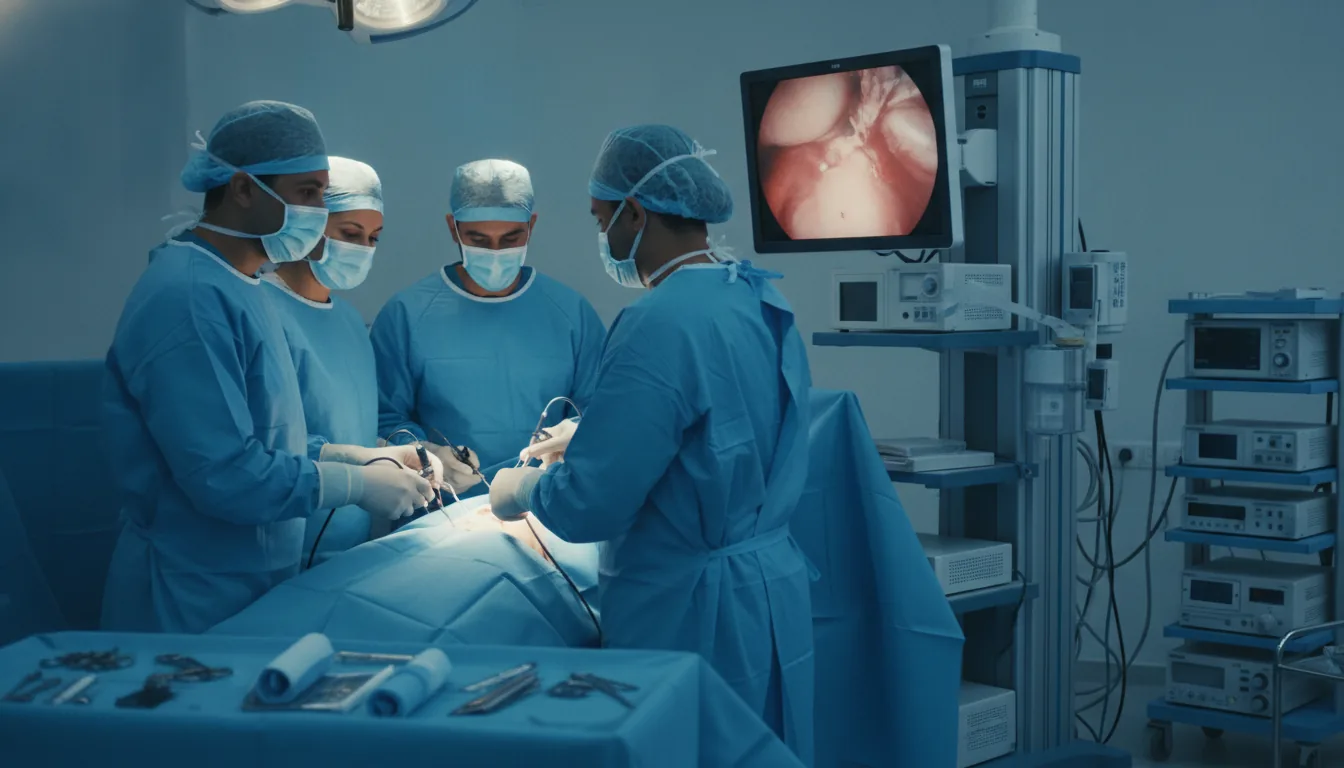
Hysterectomy is the removal of the uterus, proposed when gynaecological conditions — symptomatic fibroids, bleeding resistant to treatment, adenomyosis, certain lesions of the cervix or endometrium — have a lasting impact on quality of life and medical alternatives have been exhausted. Performed by laparoscopy, the procedure takes place through small abdominal incisions, with the uterus most often extracted through the natural passages. Depending on the situation, the removal may involve the uterus alone or be combined with removal of the fallopian tubes, or even the ovaries, which is always discussed beforehand with the patient. At Clinique Pasteur Tunis, laparoscopic hysterectomy is performed by experienced gynaecological surgeons, in a setting attentive to the patient's comfort and information. The hospital stay is short and the team supports convalescence with clear instructions. The surgical specimen is sent for pathological analysis.
Laparoscopic hysterectomy

When is it indicated?

Symptomatic uterine fibroids resistant to treatment

When fibroids cause bleeding or pain despite treatment, removing the uterus puts a definitive end to these problems.

Heavy uterine bleeding not responding to medical treatment

When excessively heavy periods exhaust the patient and resist medication, hysterectomy provides a definitive solution.

Disabling adenomyosis

When the wall of the uterus is the source of disabling pain and bleeding, removing the uterus makes it possible to return to a normal life.

Certain precancerous lesions of the cervix or endometrium

When abnormal cells are discovered, removing the uterus eliminates the lesion before it can progress.

Uterine prolapse, as part of appropriate surgery

When the uterus descends and causes discomfort, its removal can be part of the surgery that repositions the pelvic organs.

Preparation

1Complete gynaecological work-up: examination, ultrasound and samples if necessary
2Discussion of the alternatives and detailed information for the patient
3Anaesthesia consultation
4Fasting for 6 hours before the procedure
5Adjustment of ongoing treatments according to medical advice

Procedure

1

General anaesthesia

2

Introduction of the camera and instruments through small incisions

3

Mobilisation of the uterus and control of its vessels

4

Removal of the uterus, combined or not with removal of the fallopian tubes or ovaries as previously agreed

5

Extraction most often through the natural passages

6

Careful checking and closure of the incisions

Duration

1 to 3 hours

Aftercare & Recovery

The hospital stay is short and the return to daily activities is gradual over a few weeks, avoiding significant exertion at first. The bleeding and pain that motivated the procedure disappear. A follow-up consultation checks proper healing and answers the patient's questions.

Risks and side effects

Minor transient vaginal bleeding during healing
Haematoma or infection, uncommon with the laparoscopic approach
Injury to neighbouring organs (bladder, ureter), rare and systematically checked for during the procedure
Transient fatigue during convalescence

These risks remain rare. Your surgeon will inform you in detail before the procedure.

Request a Quote

Contact us to schedule a consultation or receive a personalized quote.

Request a Quote +216 36 402 000

At a glance

Duration: 1 to 3 hours
Preparation: Required
Dedicated specialist team