
Colonic resections
Surgeries/General/Colonic resections

Colonic resections

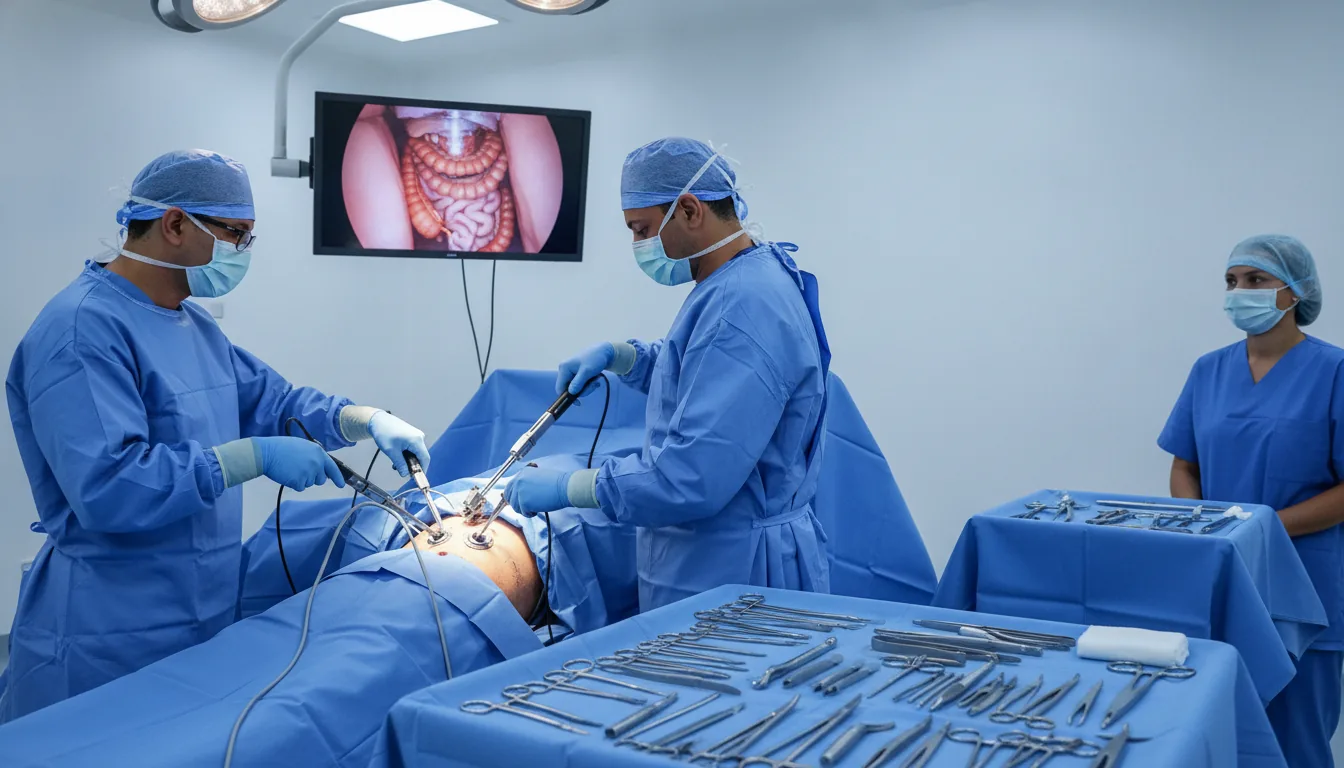
Surgical removal of a diseased segment of the colon with restoration of digestive continuity, most often performed laparoscopically.

What is it?

Colonic resection consists of removing the portion of the colon affected by disease, then joining the two healthy ends to restore the continuity of the digestive circuit. Depending on the location of the lesion, the procedure involves the right colon, the left colon, the sigmoid or the rectum. The main indications are colorectal tumours, complicated or recurrent diverticulitis and certain inflammatory bowel diseases. For tumour-related conditions, the resection also removes the lymphatic drainage territories according to strict oncological rules, and each case is discussed in multidisciplinary consultation. Laparoscopy is nowadays the preferred approach: it allows precise surgery through small incisions, with a more comfortable recovery. Combined with enhanced recovery after surgery (ERAS) protocols, it allows early refeeding and mobilisation. At Clinique Pasteur Tunis, colonic resections are performed by surgeons well versed in major digestive surgery and laparoscopy, in operating theatres equipped with high-definition systems, with attentive support throughout the hospital stay.
Colonic resections

When is it indicated?

Tumours of the colon or rectum

Removal of the segment of colon bearing the tumour, together with its drainage territories, is the reference treatment, with results all the better when the lesion is discovered early.

Complicated or recurrent sigmoid diverticulitis

When flare-ups of diverticular infection recur or become complicated, removing the weakened segment of colon protects the patient from further attacks.

Inflammatory bowel diseases resistant to treatment

If medication no longer controls the inflammation, removing the most affected portion markedly improves quality of life.

Large polyps that cannot be removed endoscopically

Some polyps are too large or too extensive to be removed during a colonoscopy: surgical resection of the affected segment then becomes necessary.

Certain colonic emergencies (perforation, obstruction)

A perforation or complete blockage of the colon requires surgery without delay: the teams are organised to operate at any hour.

Preparation

1Colonoscopy and imaging pinpointing the location of the lesion
2Complete pre-operative blood tests
3Anaesthesia consultation
4Bowel preparation according to the department's protocol
5Fast for 6 hours before the procedure

Procedure

1

General anaesthesia

2

Laparoscopic approach preferred

3

Mobilisation and removal of the diseased colonic segment

4

Restoration of digestive continuity by anastomosis

5

Verification of the seal and closure

6

Application of the enhanced recovery protocol from wake-up

Duration

2 to 4 hours

Aftercare & Recovery

Eating and walking resume early thanks to ERAS protocols. The hospital stay generally lasts a few days, and bowel transit gradually returns to its usual rhythm within a few weeks. Follow-up tailored to the initial condition is then organised.

Risks and side effects

Anastomotic risks closely monitored during the first days
Temporary disturbances of intestinal transit
Infrequent infectious complications, prevented by rigorous protocols

These risks remain rare. Your surgeon will inform you in detail before the procedure.

Request a Quote

Contact us to schedule a consultation or receive a personalized quote.

Request a Quote +216 36 402 000

At a glance

Duration: 2 to 4 hours
Preparation: Required
Dedicated specialist team