
Digestive surgery (stomach, intestine, colon, rectum)
Surgeries/General/Digestive surgery

Digestive surgery (stomach, intestine, colon, rectum)

Comprehensive surgical management of diseases of the digestive tract, using conventional or minimally invasive laparoscopic approaches.

What is it?

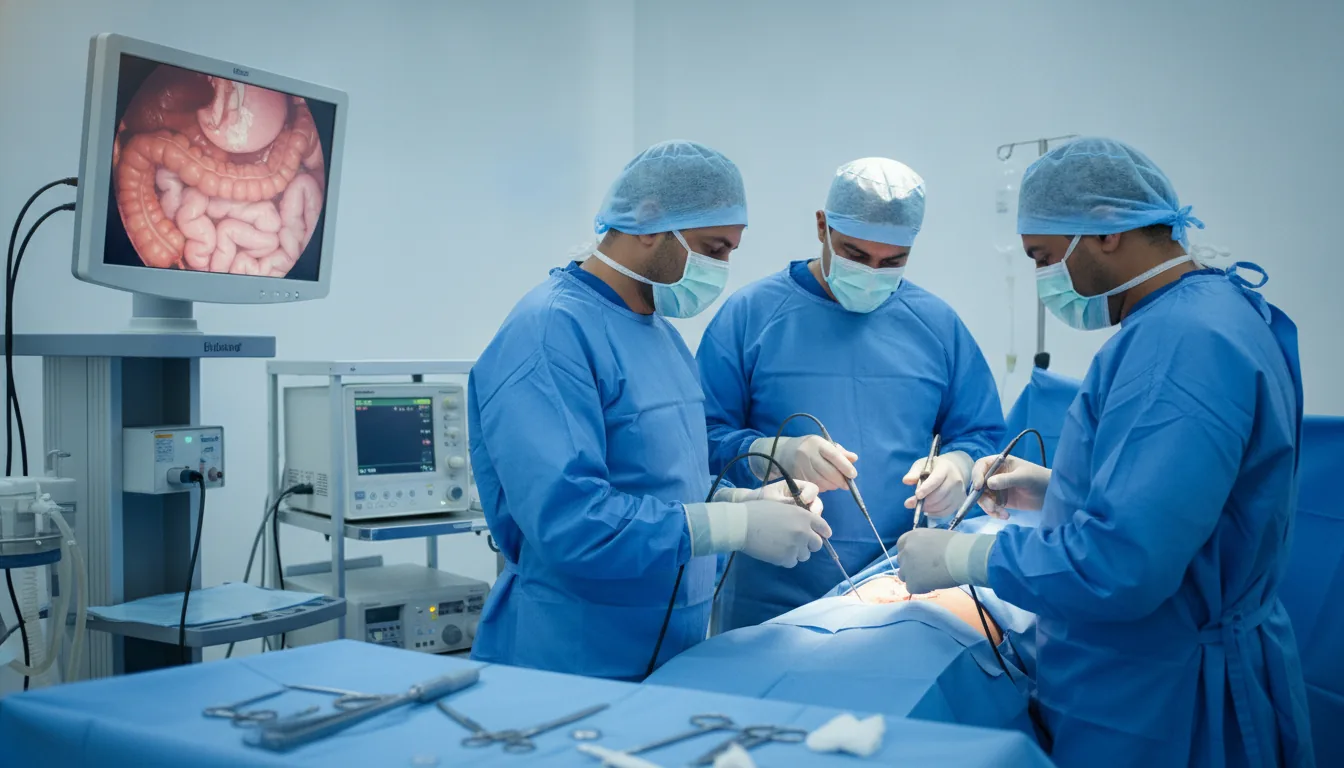
Digestive surgery covers all procedures involving the digestive tract: stomach, small intestine, colon and rectum. It treats a wide range of conditions, benign or tumour-related, from the removal of a diseased segment to complex reconstructions of the digestive circuit. Whenever possible, the laparoscopic approach (keyhole surgery) is preferred: the surgeon operates through small incisions using a camera and fine instruments, which reduces post-operative pain, shortens the hospital stay and speeds up the return to normal activities. More complex procedures may require a conventional approach, chosen in the patient's best interest. Care is part of a comprehensive pathway: a complete pre-operative work-up, multidisciplinary case review for tumour-related conditions, and enhanced recovery after surgery (ERAS) protocols promoting a fast and comfortable recovery. At Clinique Pasteur Tunis, digestive surgery is performed by surgeons experienced in major surgery, in operating theatres equipped with high-definition laparoscopy systems, with a dedicated anaesthesia team and intensive care units available at all times.
Digestive surgery (stomach, intestine, colon, rectum)

When is it indicated?

Benign or malignant tumours of the stomach, colon or rectum

Whether benign or cancerous, a tumour of the digestive tract is most often treated by removing the affected segment, with restoration of the digestive circuit during the same procedure.

Inflammatory bowel diseases resistant to medical treatment

When medication is no longer enough to control Crohn's disease or ulcerative colitis, removing the most affected portion of intestine brings genuine relief.

Complicated or recurrent diverticulitis

Repeated or complicated flare-ups of infection in the diverticula of the colon may justify removing the weakened segment, to prevent further attacks.

Bowel obstructions and digestive emergencies

A blockage of intestinal transit or another abdominal emergency may require rapid surgery: the teams and operating theatres are available at all times.

Severe gastro-oesophageal reflux requiring surgery

When acid reflux persists despite properly followed treatment, an anti-reflux procedure durably corrects the problem at its source.

Preparation

1Imaging and endoscopic work-up tailored to the condition
2Complete pre-operative blood tests
3Anaesthesia consultation
4Fast for 6 hours before the procedure
5Specific bowel preparation according to the surgeon's instructions

Procedure

1

General anaesthesia and positioning in the operating theatre

2

Laparoscopic approach through small incisions whenever possible

3

Removal of the diseased digestive segment or correction of the abnormality

4

Restoration of digestive continuity

5

Final checks and closure

6

Tailored post-operative monitoring, with early mobilisation

Duration

2 to 4 hours depending on the procedure

Aftercare & Recovery

Thanks to enhanced recovery protocols, eating and walking resume early. The hospital stay generally lasts a few days, followed by gradual convalescence at home with organised follow-up consultations.

Risks and side effects

Risks inherent to any abdominal surgery, reduced by minimally invasive techniques
Temporary transit disturbances during the first few days
Careful monitoring of the post-operative course by the care team

These risks remain rare. Your surgeon will inform you in detail before the procedure.

Request a Quote

Contact us to schedule a consultation or receive a personalized quote.

Request a Quote +216 36 402 000

At a glance

Duration: 2 to 4 hours depending on the procedure
Preparation: Required
Dedicated specialist team