
Cholecystectomy (gallbladder removal)
Surgeries/General/Cholecystectomy

Cholecystectomy (gallbladder removal)

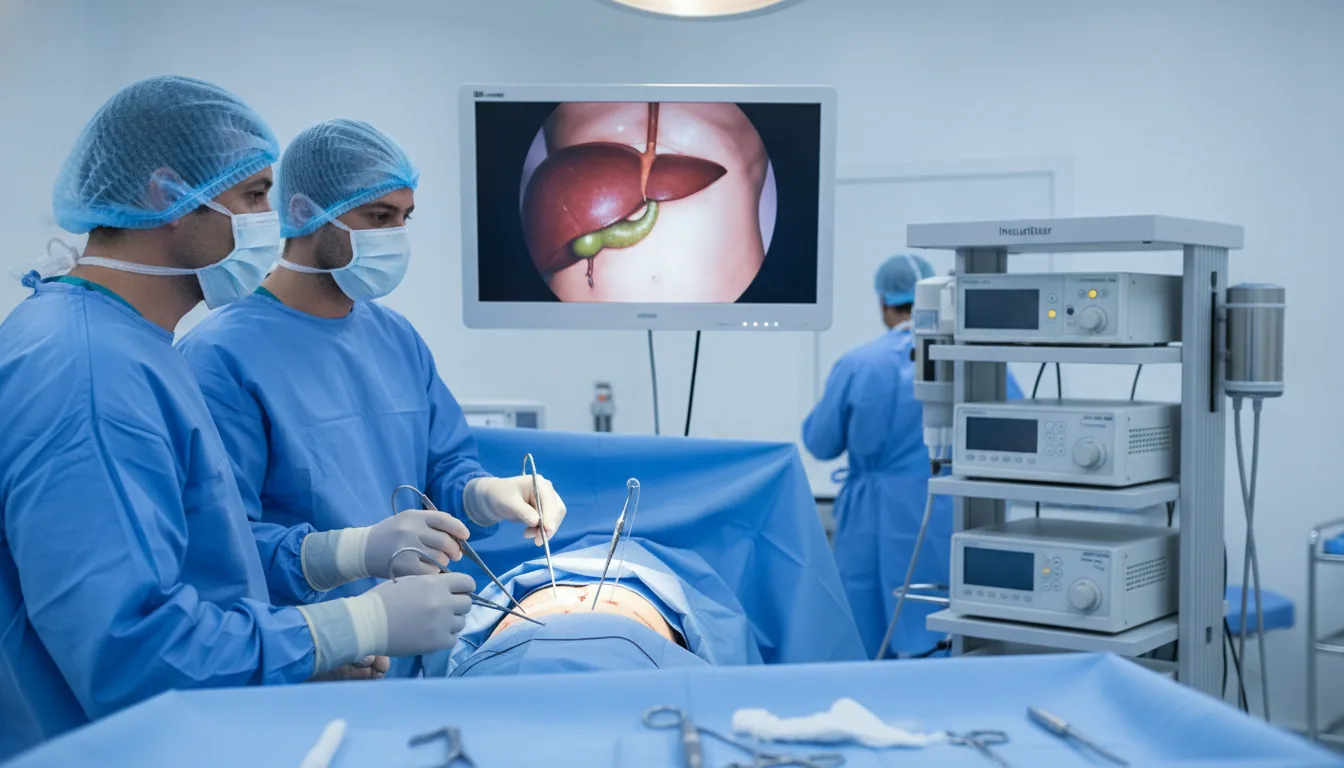
Laparoscopic removal of the gallbladder, the reference treatment for symptomatic gallstones.

What is it?

Cholecystectomy is the removal of the gallbladder, a small reservoir located under the liver that stores bile. It is indicated mainly in cases of gallstones causing pain (biliary colic), inflammation of the gallbladder (cholecystitis) or complications of gallstones. The procedure is nowadays performed laparoscopically in the vast majority of cases: through small incisions, the surgeon introduces a camera and fine instruments to detach and remove the gallbladder. This minimally invasive technique ensures an uncomplicated recovery, limited pain and a quick return to normal activities. Living without a gallbladder is completely normal: bile, produced by the liver, continues to flow directly into the intestine to support digestion. Most patients notice no lasting change in their diet. At Clinique Pasteur Tunis, laparoscopic cholecystectomy is a fully mastered procedure, performed in operating theatres equipped with high-definition laparoscopy systems, often as part of a short hospital stay.
Cholecystectomy (gallbladder removal)

When is it indicated?

Gallstones causing repeated attacks of biliary colic

Intense pain under the right ribs, often occurring after meals, points to the presence of gallstones: removing the gallbladder puts a definitive end to these attacks.

Acute cholecystitis (inflammation of the gallbladder)

When the gallbladder becomes infected or inflamed because of gallstones, its removal becomes necessary, sometimes urgently, to prevent complications.

Complications of gallstones (stone migration, biliary pancreatitis)

A stone that migrates into the bile ducts can cause jaundice or inflammation of the pancreas: removing the gallbladder prevents recurrences.

Gallbladder polyps requiring removal

Certain growths on the gallbladder wall, because of their size or their evolution, justify removing the gallbladder as a precaution.

Preparation

1Abdominal ultrasound confirming the diagnosis
2Blood tests including liver function tests
3Anaesthesia consultation
4Fast for 6 hours before the procedure

Procedure

1

General anaesthesia

2

Small abdominal incisions for the camera and instruments

3

Careful dissection and precise identification of the biliary structures

4

Detachment and extraction of the gallbladder

5

Final check and closure of the incisions

Duration

45 minutes to 1 hour 30 minutes

Aftercare & Recovery

Discharge generally takes place after 24 to 48 hours. Pain is moderate and well controlled, eating resumes quickly and daily activities are recovered within a few days, with a return to work in one to two weeks depending on the occupation.

Risks and side effects

Temporary abdominal and shoulder pain related to laparoscopy
Rare conversion to open surgery, decided solely for the patient's safety
Possible mild and temporary digestive disturbances for a few weeks

These risks remain rare. Your surgeon will inform you in detail before the procedure.

Request a Quote

Contact us to schedule a consultation or receive a personalized quote.

Request a Quote +216 36 402 000

At a glance

Duration: 45 minutes to 1 hour 30 minutes
Preparation: Required
Dedicated specialist team