
Pancreaticoduodenectomy (Whipple procedure)
Surgeries/General/Whipple procedure

Pancreaticoduodenectomy (Whipple procedure)

The reference operation for tumours of the head of the pancreas and the peri-ampullary region, the pinnacle of digestive surgery.

What is it?

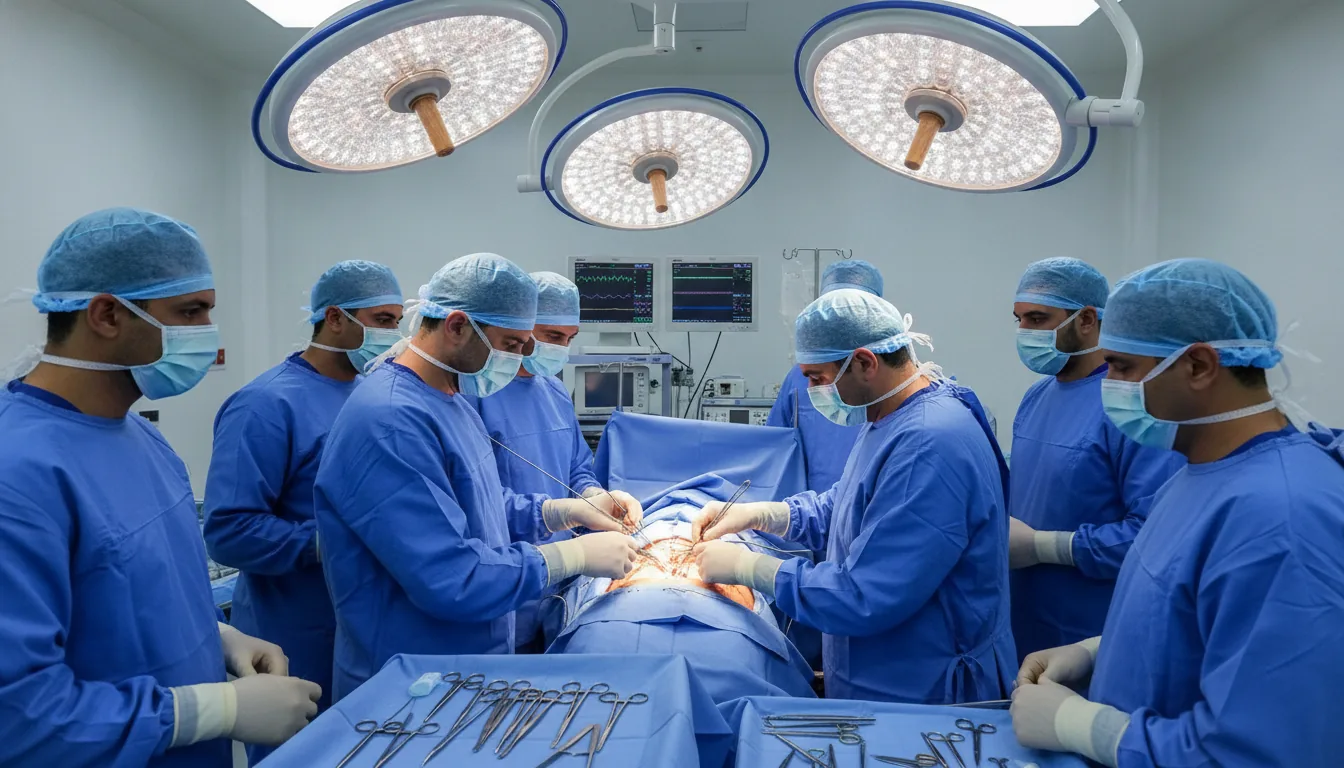
Pancreaticoduodenectomy, or the Whipple procedure, is the reference operation for treating tumours of the head of the pancreas and of the neighbouring region: the lower part of the bile duct, the ampulla of Vater and the duodenum. It consists of removing, in a single block, the head of the pancreas, the duodenum, the gallbladder and the lower part of the bile duct. After this removal, the surgeon reconstructs the digestive circuit by joining the remaining pancreas, the bile duct and the stomach to the intestine. This meticulous reconstruction phase determines the quality of the post-operative course and is carried out with the utmost care. The Whipple procedure is considered one of the most complex operations in digestive surgery. It requires a highly experienced team, specialised anaesthesia, advanced intra-operative monitoring and post-operative surveillance in an intensive care unit. Each indication is validated after an exhaustive work-up and a multidisciplinary discussion. Clinique Pasteur Tunis is among the institutions with the expertise and technical facilities required for this exceptional surgery: surgeons well versed in major digestive surgery, a multipurpose intensive care unit and personalised support for the patient and their family at every stage.
Pancreaticoduodenectomy (Whipple procedure)

When is it indicated?

Operable tumours of the head of the pancreas

When the work-up confirms that the tumour can be completely removed, the Whipple procedure offers the best treatment prospect, carried out by a team well versed in this surgery.

Tumours of the ampulla of Vater

This small area where the bile and pancreatic ducts join the intestine can be the site of tumours, often revealed by jaundice and amenable to this operation.

Tumours of the lower part of the bile duct

Tumours located at the end of the bile duct, near the pancreas, are treated by the same operation, which removes the entire affected region in a single block.

Tumours of the duodenum

As the duodenum is intimately connected to the head of the pancreas, its tumours require this same en-bloc removal to be treated under good conditions.

Certain cystic or precancerous lesions of the head of the pancreas

Removing an at-risk lesion before it transforms makes it possible to act preventively, at the most favourable moment for the patient.

Preparation

1Exhaustive imaging work-up (CT scan, MRI, endoscopic ultrasound) to confirm operability
2Complete blood tests and nutritional assessment
3Prior biliary drainage if necessary
4Multidisciplinary team review of the case
5In-depth anaesthesia consultation
6Fast for 6 hours before the procedure

Procedure

1

General anaesthesia with advanced monitoring

2

Abdominal exploration confirming the feasibility of the removal

3

En-bloc removal of the head of the pancreas, the duodenum and the lower bile duct

4

Triple digestive reconstruction (pancreatic, biliary and gastric)

5

Placement of monitoring drains

6

Transfer to intensive care for close monitoring

Duration

5 to 7 hours

Aftercare & Recovery

Recovery takes place first in intensive care and then on the ward, with a very gradual return to eating over several days. Full convalescence takes several weeks, accompanied by close nutritional and medical follow-up. The quality of life regained after recovery is generally good.

Risks and side effects

Major operation whose post-operative course is closely supervised in intensive care and then on the ward
Possible temporary delay in gastric emptying, correcting itself over time
Long-term digestive and nutritional support organised

These risks remain rare. Your surgeon will inform you in detail before the procedure.

Request a Quote

Contact us to schedule a consultation or receive a personalized quote.

Request a Quote +216 36 402 000

At a glance

Duration: 5 to 7 hours
Preparation: Required
Dedicated specialist team