
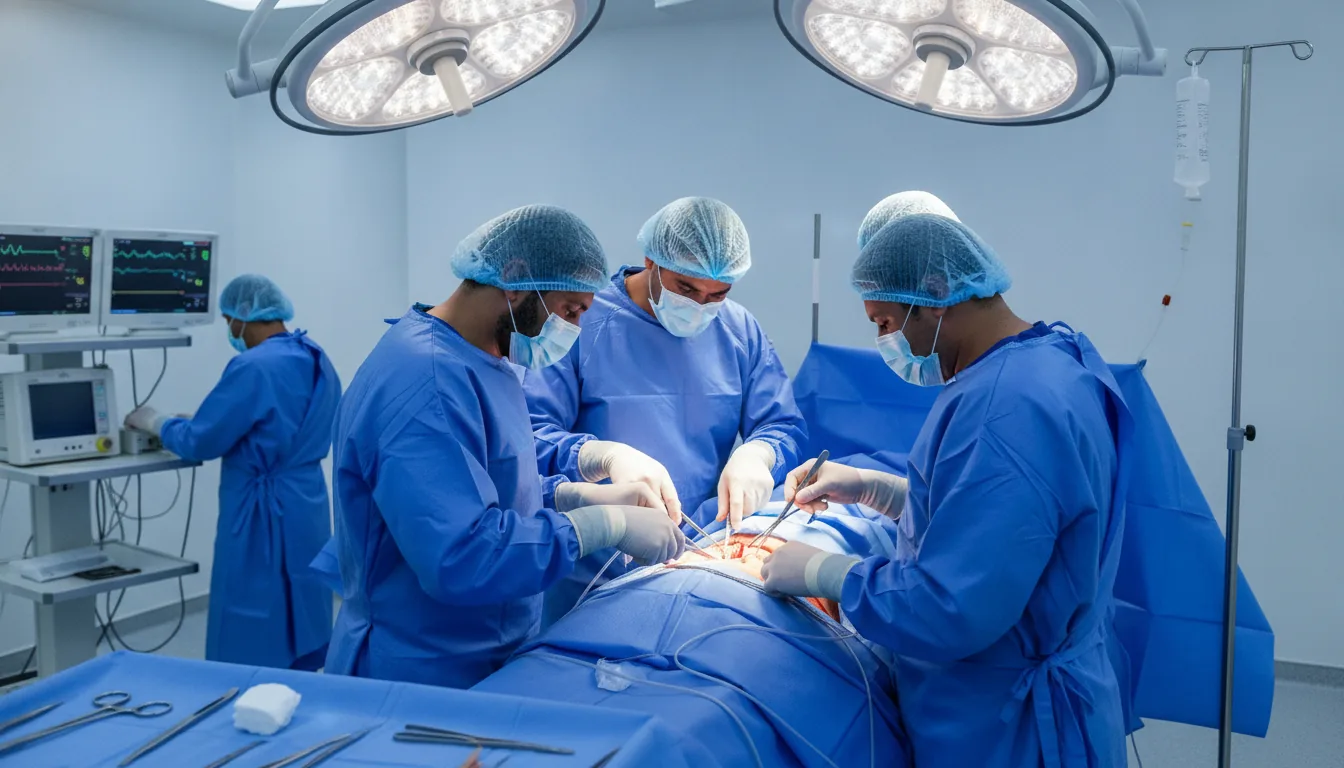
Pancreatic surgery
Surgeries/General/Pancreatic surgery

Pancreatic surgery

Surgical management of tumours and diseases of the pancreas, a highly specialised field of digestive surgery.

What is it?

The pancreas is a deep-seated gland of the abdomen that plays a dual essential role: it produces enzymes indispensable for digestion and hormones, including insulin, which regulate blood sugar. Its surgery is one of the most specialised fields of digestive surgery. Operations on the pancreas mainly concern tumours, benign or malignant, cysts and pseudocysts, as well as certain forms of chronic pancreatitis. Depending on the location of the lesion, the surgeon may remove the head of the pancreas, its left part (distal pancreatectomy) or, more rarely, perform other conservative procedures. This surgery requires meticulous planning based on high-precision imaging, a team well versed in major surgery and a secure post-operative environment. Each case is studied in depth, with multidisciplinary consultation when a tumour-related condition is involved. At Clinique Pasteur Tunis, pancreatic surgery is performed by surgeons experienced in major digestive surgery, with advanced intra-operative monitoring and a multipurpose intensive care unit ensuring attentive surveillance during the first days.
Pancreatic surgery

When is it indicated?

Operable pancreatic tumours

When the work-up confirms that a pancreatic tumour can be removed, surgery represents the best chance of treatment, performed by a highly specialised team.

Cystic tumours requiring removal

Certain cystic lesions of the pancreas carry a risk of progression: removing them as a precaution prevents them from transforming over time.

Complicated pseudocysts after pancreatitis

After inflammation of the pancreas, pockets of fluid can persist and become bothersome or infected: surgery treats them when necessary.

Certain forms of painful chronic pancreatitis

When chronic inflammation of the pancreas causes pain resistant to treatment, an appropriate surgical procedure can bring lasting relief.

Endocrine tumours of the pancreas

These particular tumours, which can secrete excess hormones, are removed by surgery that is often conservative, tailored to their size and location.

Preparation

1High-precision pancreatic imaging (CT scan, MRI, endoscopic ultrasound)
2Complete blood tests including nutritional assessment
3Multidisciplinary review of the case for tumour-related conditions
4Anaesthesia consultation
5Fast for 6 hours before the procedure
6Optimisation of nutritional status if necessary before the operation

Procedure

1

General anaesthesia with complete monitoring

2

Abdominal exploration and confirmation of the operative strategy

3

Removal of the diseased part of the pancreas

4

Digestive reconstructions adapted to the procedure performed

5

Placement of monitoring drains

6

Transfer to a close monitoring unit

Duration

3 to 6 hours depending on the procedure

Aftercare & Recovery

Recovery requires attentive monitoring for several days, with a gradual return to eating. Convalescence extends over several weeks, accompanied by regular nutritional and medical follow-up. Some patients receive specific support for digestion or blood sugar balance.

Risks and side effects

Major surgery whose post-operative course is closely monitored by the team
Possible temporary delay in the return to eating
Digestive and blood sugar follow-up organised after the procedure

These risks remain rare. Your surgeon will inform you in detail before the procedure.

Request a Quote

Contact us to schedule a consultation or receive a personalized quote.

Request a Quote +216 36 402 000

At a glance

Duration: 3 to 6 hours depending on the procedure
Preparation: Required
Dedicated specialist team