
Upper and lower gastrointestinal endoscopy
Surgeries/Endoscopic/GI endoscopy

Upper and lower gastrointestinal endoscopy

Visual exploration of the digestive tract by gastroscopy (esophagus, stomach, duodenum) and colonoscopy (colon, rectum), for both diagnostic and therapeutic purposes.

What is it?

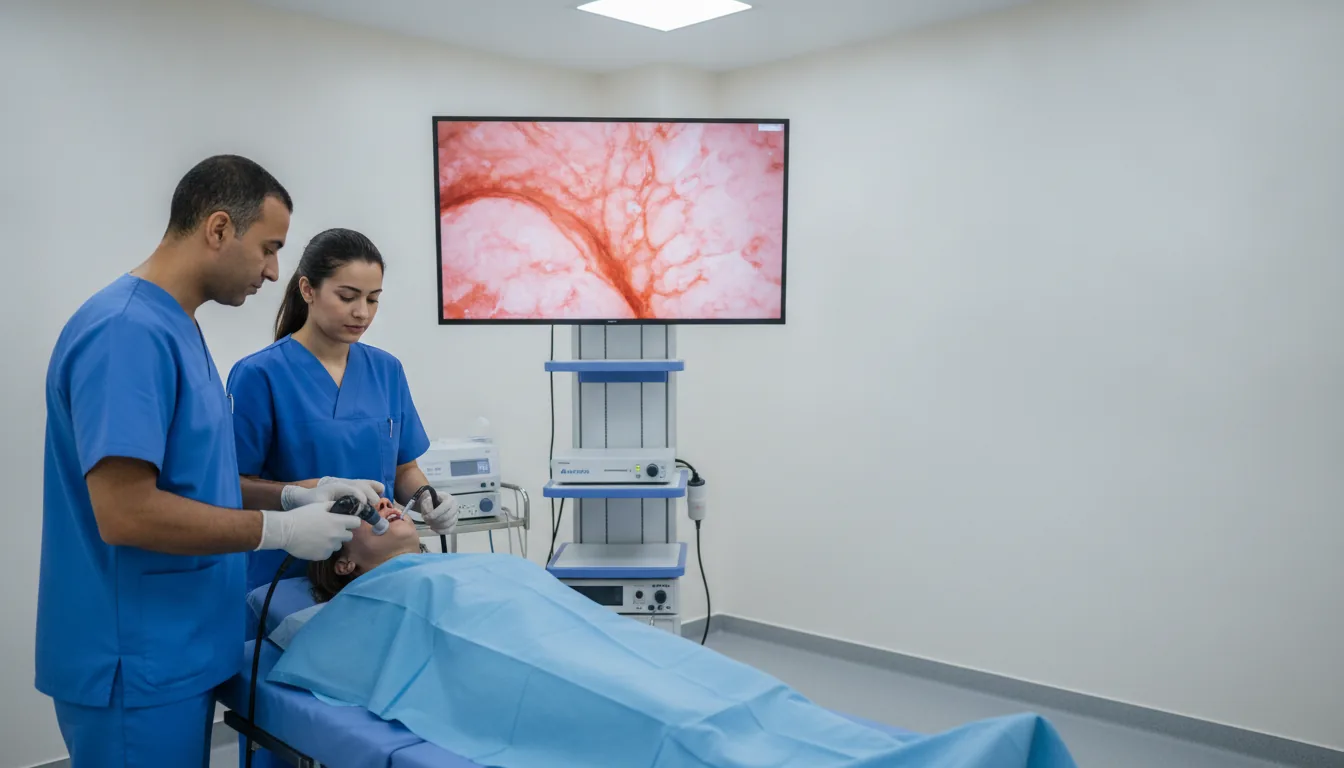
Gastrointestinal endoscopy allows direct examination of the inside of the digestive tract using a flexible endoscope fitted with a high-definition camera. Upper endoscopy (esophagogastroduodenoscopy) explores the esophagus, stomach and duodenum; lower endoscopy (colonoscopy) explores the rectum and the entire colon. Beyond diagnosis, these examinations make it possible to perform therapeutic procedures at the same time: tissue sampling (biopsies), polyp removal, treatment of bleeding lesions. Any biopsies taken are sent for histopathological analysis, and the results are forwarded to the physician. The examinations are most often performed under sedation or anesthesia, for optimal patient comfort. At Clinique Pasteur Tunis, gastrointestinal endoscopies are carried out in a dedicated endoscopy suite equipped with high-definition video towers, by experienced gastroenterologists and surgeons, on a day-case basis in the vast majority of cases.
Upper and lower gastrointestinal endoscopy

When is it indicated?

Persistent abdominal pain or digestive disorders

When pain or digestive discomfort persists, looking directly inside the digestive tract helps identify the cause.

Gastroesophageal reflux resistant to treatment

When acid reflux persists despite medication, the examination checks the condition of the esophagus and guides treatment.

Gastrointestinal bleeding (vomiting blood, blood in the stools)

In the event of digestive bleeding, endoscopy locates its source and often makes it possible to treat it at the same time.

Unexplained anemia

A shortage of red blood cells with no obvious cause may stem from subtle bleeding in the digestive tract, which the examination looks for.

Screening and surveillance of colon polyps

Colonoscopy detects and removes polyps before they can progress: it is the best prevention against colon cancer.

Recent or persistent bowel habit changes

A lasting change in bowel habits deserves investigation to identify the cause and provide reassurance.

Follow-up after treatment of a digestive lesion

After a lesion has been treated, regular check-ups verify proper healing and the absence of recurrence.

Preparation

1Prior consultation with the physician and an anesthesia consultation if sedation is planned
2Fasting for 6 hours before the examination for upper endoscopy
3Bowel preparation (low-residue diet and cleansing solution) for colonoscopy, according to the prescription provided
4Report all ongoing treatments, particularly anticoagulants and antiplatelet agents
5Arrange for someone to accompany you home if sedation is used

Procedure

1

Admission to the day hospital and installation in the endoscopy suite

2

Sedation or anesthesia tailored for the comfort of the examination

3

Insertion of the endoscope through the mouth (upper endoscopy) or the anus (colonoscopy)

4

Careful exploration of the digestive lining

5

Biopsies or therapeutic procedures performed if necessary

6

Monitoring in the recovery room, then discharge with an accompanying person

Duration

15 to 45 minutes depending on the examination

Aftercare & Recovery

A detailed report is provided at the end of the examination. The results of any biopsies are available after histopathological analysis and forwarded to the referring physician. Normal activities can be resumed the next day in most cases.

Risks and side effects

Bloating or temporary abdominal discomfort after the examination
Throat irritation after upper endoscopy, resolving within a few hours
Bleeding or perforation, rare complications subject to systematic monitoring

These risks remain rare. Your surgeon will inform you in detail before the procedure.

Request a Quote

Contact us to schedule a consultation or receive a personalized quote.

Request a Quote +216 36 402 000

At a glance

Duration: 15 to 45 minutes depending on the examination
Preparation: Required
Dedicated specialist team