
Polypectomy
Surgeries/Endoscopic/Polypectomy

Polypectomy

Removal of digestive polyps during an endoscopy, an essential procedure for the prevention of colorectal cancers.

What is it?

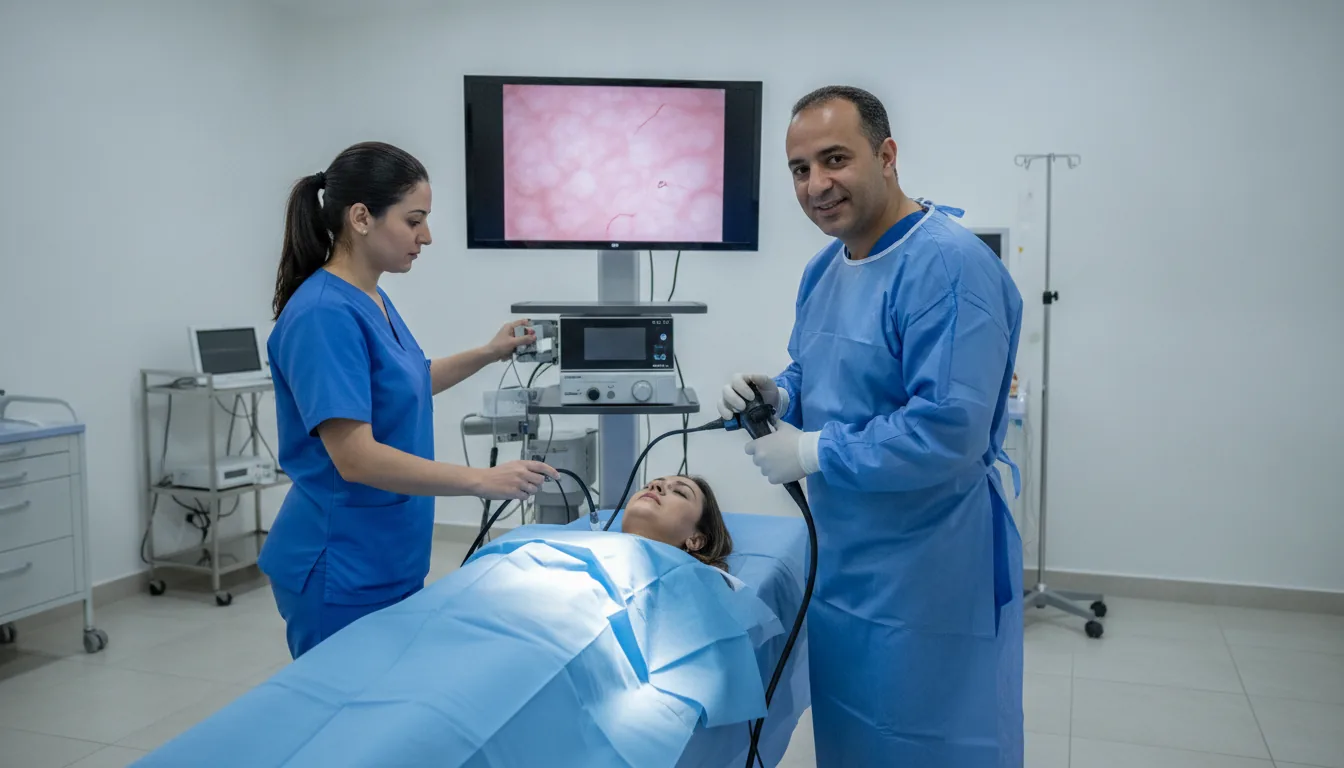
Polyps are growths that develop on the inner lining of the digestive tract, most often in the colon. Most are benign, but some can progress over time: their removal, called polypectomy, is the best prevention against colorectal cancer. Polypectomy is performed during a colonoscopy or an upper endoscopy, without any incision: the polyp is grasped with a snare passed through the endoscope, then cut at its base. Each removed polyp is sent for histopathological analysis, which determines its nature and guides the subsequent surveillance schedule. At Clinique Pasteur Tunis, polypectomy is performed on a day-case basis, under sedation or anesthesia, in an endoscopy suite equipped with modern resection equipment. The patient goes home the same day with their report and follow-up instructions.
Polypectomy

When is it indicated?

Polyp discovered during a screening colonoscopy

A polyp spotted during the examination is most often removed at the same time, without a further procedure.

Colon or rectal polyps to be removed as a preventive measure

Removing polyps before they progress is the best protection against colorectal cancer.

Gastric or duodenal polyps requiring excision

Polyps in the stomach or the first part of the intestine can also be removed through the mouth, without any incision.

Surveillance of patients with a personal or family history of polyps

When you have already had polyps or close relatives have had them, regular colonoscopies allow any new lesion to be removed early.

Preparation

1Thorough bowel preparation according to the prescription provided (for colon polyps)
2Fasting for 6 hours before the examination
3Anesthesia consultation if sedation is planned
4Adjustment of anticoagulants and antiplatelet agents according to medical advice
5Arrange for someone to accompany you home

Procedure

1

Sedation or anesthesia for the comfort of the examination

2

Complete endoscopic exploration of the relevant digestive segment

3

Identification of the polyp or polyps

4

Removal of the polyp with a snare, with coagulation of the base if necessary

5

Retrieval of the polyp for histopathological analysis

6

Brief monitoring in the recovery room before discharge

Duration

20 to 45 minutes

Aftercare & Recovery

Polyp removal is most often complete in a single session. The result of the histopathological analysis, forwarded to the physician, determines the interval before the next surveillance colonoscopy. Normal activities can be resumed the next day.

Risks and side effects

Minor bleeding at the resection site, usually controlled during the procedure
Delayed bleeding in the following days, rare, warranting a consultation if needed
Perforation, a rare complication managed immediately

These risks remain rare. Your surgeon will inform you in detail before the procedure.

Request a Quote

Contact us to schedule a consultation or receive a personalized quote.

Request a Quote +216 36 402 000

At a glance

Duration: 20 to 45 minutes
Preparation: Required
Dedicated specialist team