
Sleeve gastrectomy (gastric sleeve)
Surgeries/Bariatric/Sleeve gastrectomy

Sleeve gastrectomy (gastric sleeve)

The reference procedure in obesity surgery: laparoscopic reduction of stomach volume for lasting weight loss.

What is it?

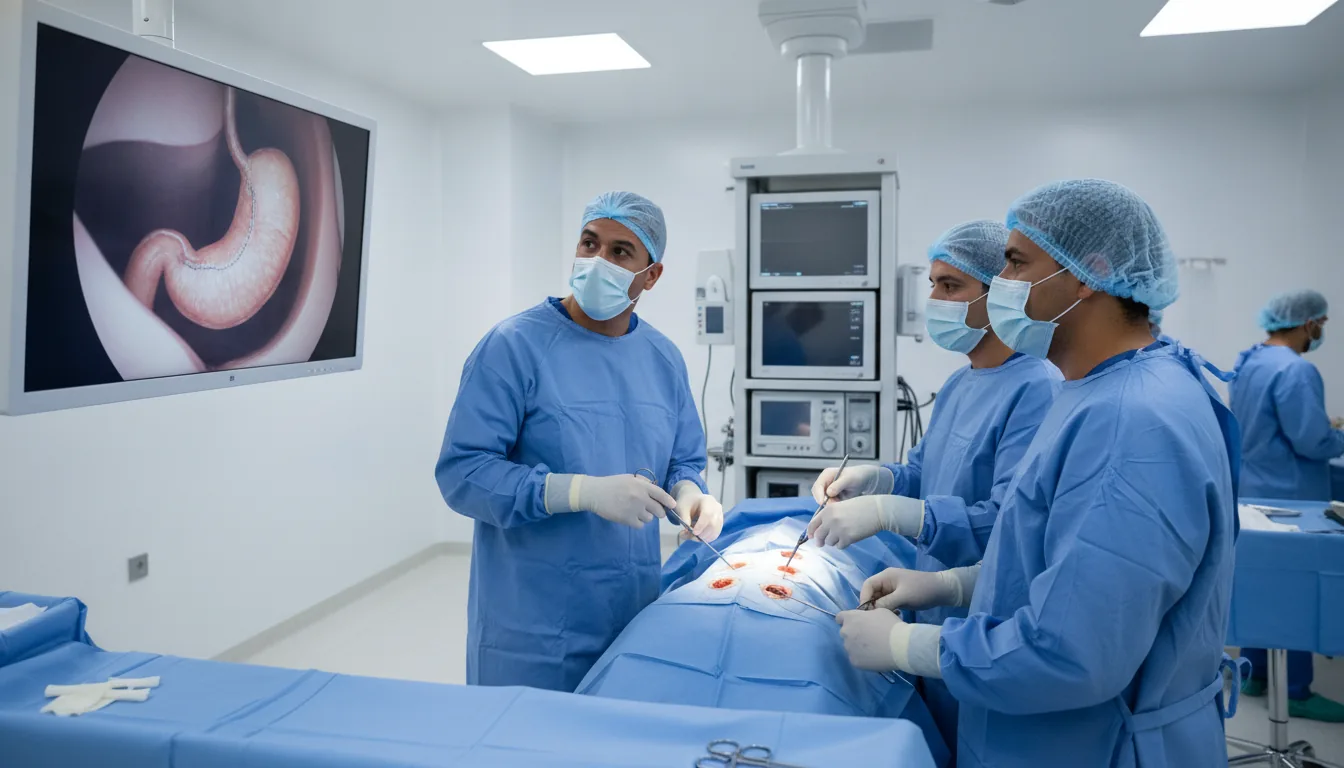
Sleeve gastrectomy, or gastric sleeve, is today the most widely performed bariatric surgery procedure in the world. It consists of removing a large part of the stomach to give it the shape of a tube (sleeve), which reduces the amount of food that can be eaten and decreases the secretion of the hunger hormone. The procedure is performed entirely by laparoscopy, through small incisions, which limits post-operative pain, shortens the hospital stay and allows a quick return to daily activities. It does not alter the food pathway: digestion and nutrient absorption remain natural. The sleeve is part of a comprehensive care pathway: it is preceded by a complete work-up and multidisciplinary preparation, then followed by long-term nutritional and medical support. It is this support, combined with new eating habits, that guarantees a lasting result. At Clinique Pasteur Tunis, a recognised centre for obesity surgery, sleeve gastrectomy is performed by experienced surgical teams, in an operating theatre dedicated to laparoscopy, with a nutritional and psychological follow-up programme integrated within the clinic.
Sleeve gastrectomy (gastric sleeve)

When is it indicated?

Severe or morbid obesity as defined by the medical team

The procedure is intended for people whose significant excess weight affects their daily health, after a complete assessment by the medical team.

Failure of weight-loss attempts through properly followed diets

When well-managed diets and medical treatments have not achieved lasting weight loss, surgery becomes an option to consider with confidence.

Obesity associated with complications (diabetes, hypertension, sleep apnoea)

When excess weight is accompanied by conditions such as diabetes, hypertension or sleep apnoea, the weight loss achieved through surgery often helps to improve them.

Motivated patient, ready to commit to long-term follow-up

Success depends largely on the patient's commitment: new eating habits and regular follow-up are essential after the operation.

Approval of the case by the multidisciplinary team

Each case is reviewed by all the specialists involved to ensure that the sleeve is truly the most suitable solution for the patient's situation.

Preparation

1Complete pre-operative work-up (blood tests, cardiac assessment, endoscopy)
2Nutritional and dietary assessment
3Psychological assessment
4Pre-operative anaesthesia consultation
5Pre-operative diet prescribed by the team if necessary
6Fast for 6 hours before the procedure

Procedure

1

General anaesthesia

2

Insertion of laparoscopic instruments through small incisions

3

Calibration of the stomach over a reference tube

4

Division and stapling of the stomach to create the gastric sleeve

5

Checking that the staple line is leak-proof

6

Closure of the incisions and awakening in the recovery room

7

Gradual reintroduction of fluids, then of an adapted diet

Duration

1 to 2 hours

Aftercare & Recovery

Weight loss is gradual and takes place over the months following the procedure, frequently accompanied by an improvement in obesity-related conditions. Food is reintroduced in stages (liquid, puréed, then normal) and regular nutritional follow-up consolidates the results over time.

Risks and side effects

Risks associated with any abdominal surgery, reduced by the laparoscopic approach
Leak along the staple line, rare and detected through careful monitoring
Gastro-oesophageal reflux, which may require appropriate treatment
Nutritional deficiencies, prevented by follow-up and supplementation

These risks remain rare. Your surgeon will inform you in detail before the procedure.

Request a Quote

Contact us to schedule a consultation or receive a personalized quote.

Request a Quote +216 36 402 000

At a glance

Duration: 1 to 2 hours
Preparation: Required
Dedicated specialist team