
Gastric bypass (Roux-en-Y)
Surgeries/Bariatric/Gastric bypass

Gastric bypass (Roux-en-Y)

A reference bariatric procedure combining stomach reduction with an intestinal bypass, particularly effective for diabetes associated with obesity.

What is it?

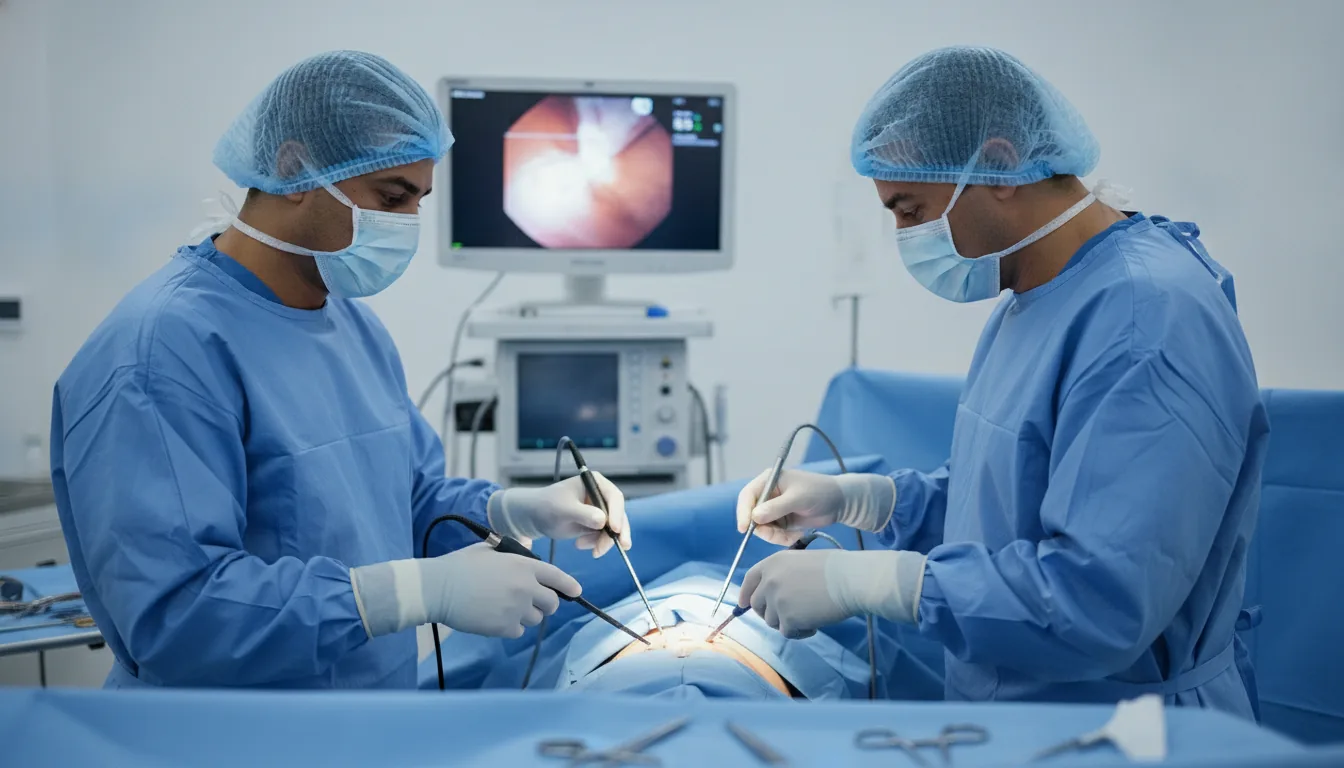
The Roux-en-Y gastric bypass is an obesity surgery procedure combining two mechanisms: the creation of a small gastric pouch, which limits meal size, and the bypassing of part of the intestine, which modifies food absorption and the hormonal regulation of hunger and blood sugar. This dual action makes it a particularly effective procedure, especially in patients with type 2 diabetes or significant gastro-oesophageal reflux associated with obesity. It is performed entirely by laparoscopy, with the usual benefits of minimally invasive surgery: a more comfortable recovery period and a quick return to normal life. The bypass requires a lasting commitment: vitamin supplementation and regular medical and nutritional follow-up are essential for life to prevent deficiencies. In return, it offers substantial, lasting weight loss and a marked improvement in associated conditions. At Clinique Pasteur Tunis, gastric bypass is performed by experienced bariatric surgeons within a complete multidisciplinary team, with a structured follow-up protocol that supports each patient well beyond the operation itself.
Gastric bypass (Roux-en-Y)

When is it indicated?

Severe or morbid obesity confirmed by the multidisciplinary team

The bypass is offered when significant excess weight puts health at risk and all the specialists have confirmed that surgery is the best option.

Type 2 diabetes associated with obesity

This procedure also acts on blood sugar regulation: it is particularly valuable when diabetes accompanies obesity, with improvement often occurring quickly.

Significant gastro-oesophageal reflux associated with obesity

The bypass configuration protects the oesophagus from acid reflux: it is often preferred when troublesome reflux already exists before the operation.

Failure or insufficient result of a first bariatric surgery

When a first procedure has not delivered the expected result, conversion to a bypass often makes it possible to restart lasting weight loss.

Motivated patient, accepting long-term follow-up and supplementation

After a bypass, daily vitamin intake and regular consultations are necessary for life: the patient's adherence to this follow-up is essential.

Preparation

1Complete pre-operative work-up (blood tests, cardiac assessment, digestive endoscopy)
2Nutritional assessment and introduction of new eating habits
3Psychological assessment
4Pre-operative anaesthesia consultation
5Fast for 6 hours before the procedure

Procedure

1

General anaesthesia

2

Laparoscopy through small abdominal incisions

3

Creation of a small gastric pouch from the upper part of the stomach

4

Construction of the Roux-en-Y intestinal bypass

5

Creation of the anastomoses (connections) and checking that they are leak-proof

6

Closure of the incisions and monitoring in the recovery room

7

Gradual, supervised reintroduction of food

Duration

2 to 3 hours

Aftercare & Recovery

Weight loss is substantial and progressive over the following months, with often rapid improvement of diabetes and other associated conditions. Regular nutritional follow-up and daily vitamin supplementation ensure nutritional balance and the stability of the result over time.

Risks and side effects

Usual surgical risks, reduced by laparoscopy and the team's experience
Anastomotic leak, rare and closely monitored post-operatively
Dumping syndrome (discomfort after sugary meals), avoided through dietary advice
Vitamin and mineral deficiencies, prevented by supplementation and follow-up

These risks remain rare. Your surgeon will inform you in detail before the procedure.

Request a Quote

Contact us to schedule a consultation or receive a personalized quote.

Request a Quote +216 36 402 000

At a glance

Duration: 2 to 3 hours
Preparation: Required
Dedicated specialist team