
Medical emergencies (cardiac, neurological, respiratory)
Immediate management of cardiac, neurological and respiratory emergencies, with direct access to the clinic's technical facilities.
What is it?
When is it indicated?
Chest pain may be a sign of a heart problem: an electrocardiogram and a workup are performed immediately in order to act quickly.
When these signs appear, every minute counts: brain imaging is performed urgently to confirm the diagnosis and start treatment as early as possible.
When breathing becomes difficult, the patient quickly receives oxygen and the appropriate treatments, under continuous monitoring.
These symptoms may have a cardiac, neurological or metabolic origin: a complete workup identifies the cause.
Fever accompanied by extreme fatigue or chills may indicate a serious infection requiring treatment without delay.
When a known condition suddenly becomes unbalanced, the team stabilizes the situation and adjusts the treatment in coordination with the patient's usual doctor.
Procedure
Priority triage upon arrival for signs of severity
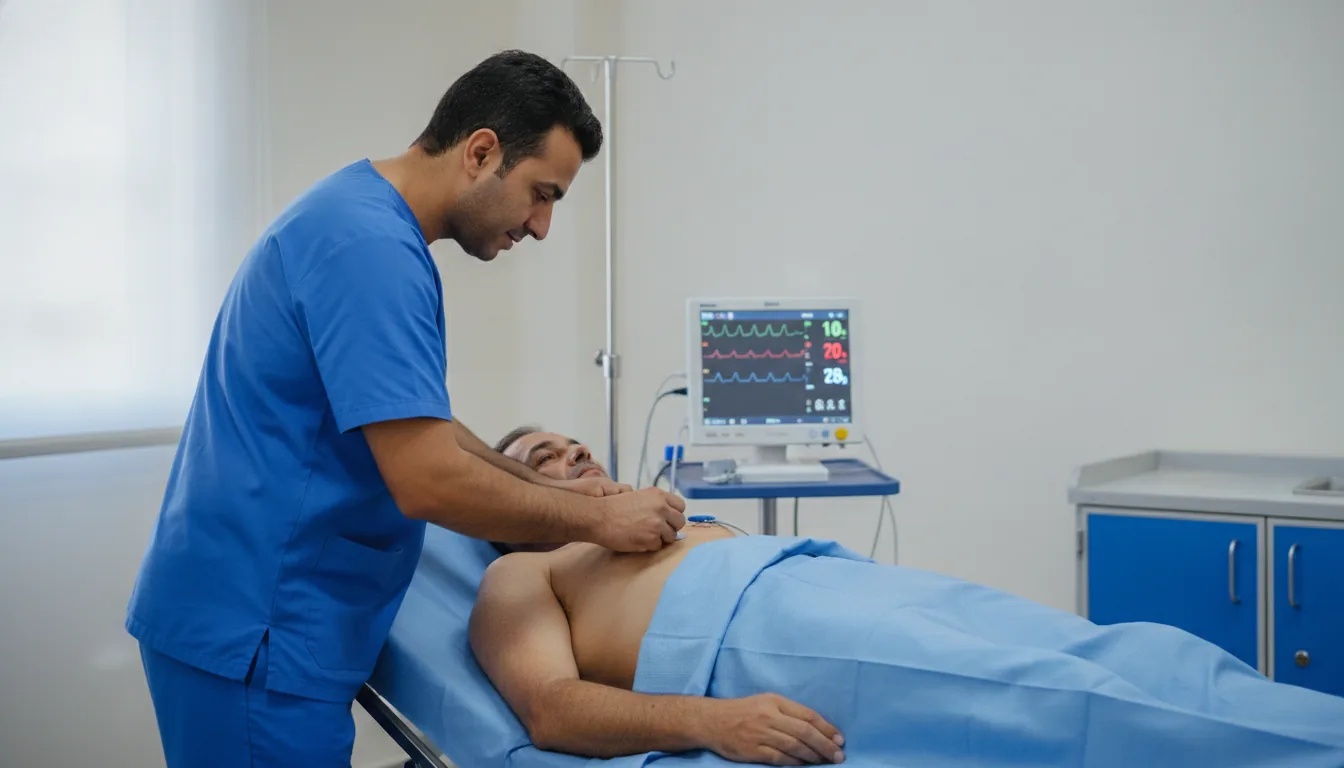
Placement in a treatment room with monitoring of vital signs
Medical examination by the emergency physician and an electrocardiogram if necessary
On-site laboratory samples and emergency imaging depending on the clinical picture
Initiation of the appropriate treatment (oxygen, IV infusion, emergency medications)
Specialist opinion (cardiologist, neurologist, intensive care physician) if the situation requires it
Disposition: return home with instructions, hospitalization or intensive care
Results
Depending on the diagnosis, the patient may return home with treatment and monitoring instructions, or be admitted to the appropriate department to continue care.
Book an Appointment
Contact us to schedule your examination or request a quote.
Request a Quote +216 36 402 000