
Surgery for digestive malformations
Surgeries/Pediatric/Digestive malformations

Surgery for digestive malformations

Surgical correction of congenital anomalies of the digestive tract in children, with care coordinated between surgeons, paediatricians and anaesthetists.

What is it?

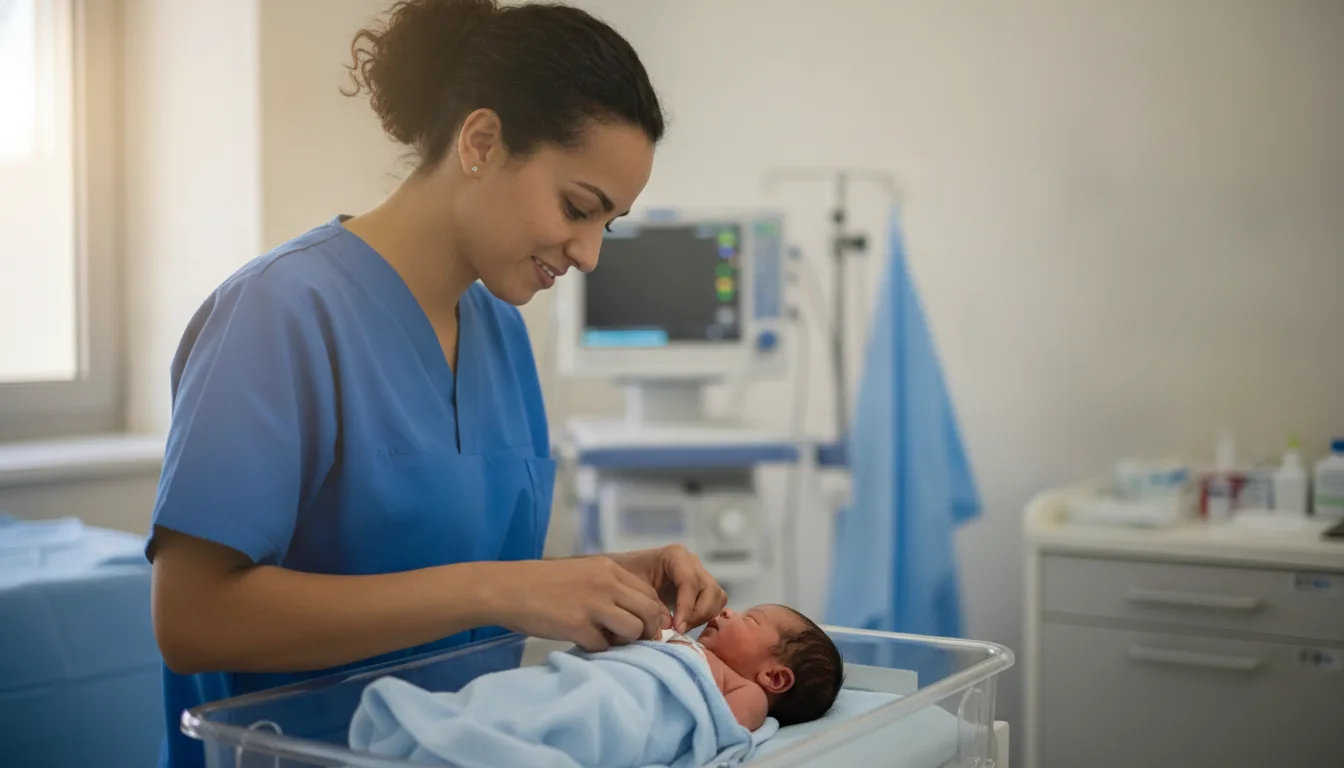
Digestive malformations include congenital anomalies affecting the oesophagus, stomach, intestine or anal region. Some are detected before birth or in the first days of life, while others become apparent later through persistent digestive problems. Their surgical management is carefully planned: the timing of the procedure, the technique and the nutritional follow-up are adapted to each child. Depending on the case, the correction may be performed by open surgery or by laparoscopy, in order to limit surgical trauma. At Clinique Pasteur Tunis, these procedures rely on a multidisciplinary team — paediatric surgeons, paediatricians, anaesthetists and nursing staff — and on monitoring units adapted to the youngest patients. Parents are closely involved in the care plan and in their child's follow-up.
Surgery for digestive malformations

When is it indicated?

Digestive malformation detected in the prenatal or neonatal period

Detected before birth or in the first days of life, the anomaly is managed according to a schedule carefully adapted to each baby.

Hypertrophic pyloric stenosis in infants

When the outlet of the infant's stomach is too narrow and causes repeated vomiting, a short procedure restores the normal passage of food.

Anorectal malformations

These anomalies of the anal region are corrected surgically to allow the child normal bowel function and peaceful development.

Intestinal rotation anomalies

When the intestine did not position itself normally during pregnancy, the procedure puts it back in place and prevents complications.

Persistent digestive problems revealing a congenital anomaly

Vomiting, blockages or lasting bowel problems may reveal an anomaly present from birth, which a procedure can correct.

Preparation

1Complete diagnostic work-up: imaging and tests appropriate to the child's age
2Multidisciplinary discussion to define the surgical strategy
3Optimisation of the child's nutritional and fluid status before the procedure
4Paediatric anaesthesia consultation
5Detailed information for parents about the procedure and recovery

Procedure

1

General anaesthesia adapted to age and weight

2

Correction of the malformation by open surgery or laparoscopy depending on the case

3

Restoration of digestive continuity when necessary

4

Close post-operative monitoring, adapted to newborns and infants

5

Gradual, supervised resumption of feeding

6

Regular follow-up of growth and bowel function after discharge

Duration

Variable depending on the malformation, from 1 to several hours

Aftercare & Recovery

Most children operated on for a digestive malformation regain normal feeding and bowel function, with harmonious growth. Follow-up in consultation, sometimes extended, provides long-term support for the child and family.

Risks and side effects

Risks specific to each malformation, explained precisely to the parents
Temporary digestive problems during the recovery period
Possible need for additional scheduled procedures

These risks remain rare. Your surgeon will inform you in detail before the procedure.

Request a Quote

Contact us to schedule a consultation or receive a personalized quote.

Request a Quote +216 36 402 000

At a glance

Duration: Variable depending on the malformation, from 1 to several hours
Preparation: Required
Dedicated specialist team